


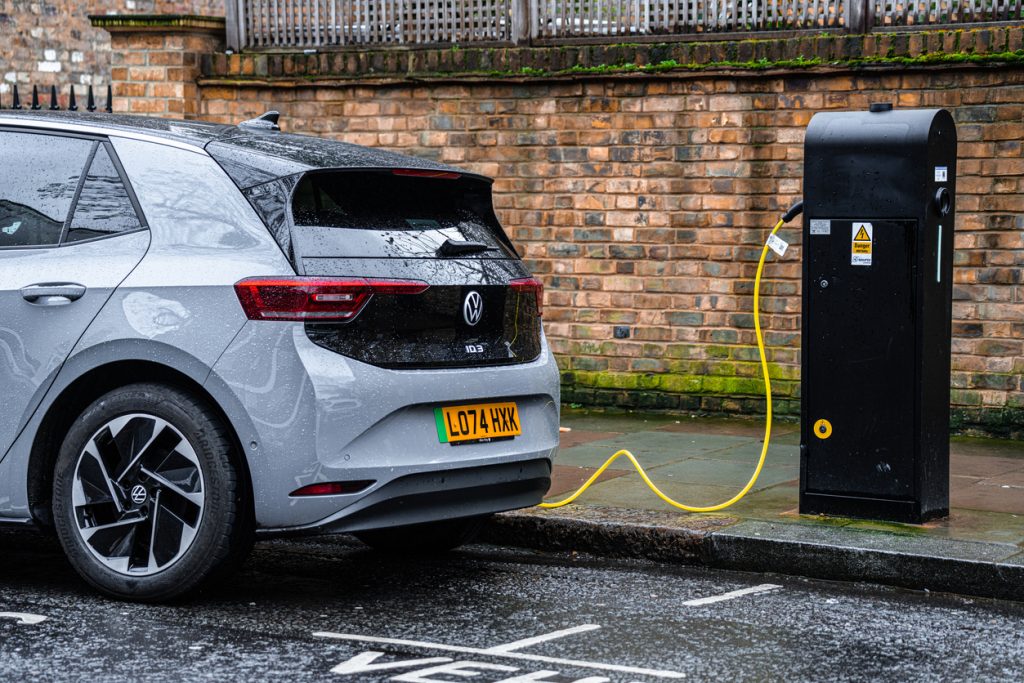
Electric vehicles are gradually gaining attention in Nigeria, but charging remains one of the biggest concerns for drivers considering the switch. Without reliable charging stations, owning an electric car can become inconvenient, especially for people travelling long distances.
Developing EV charging infrastructure in Nigeria is essential for making electric mobility practical. From Lagos to Abuja and Port Harcourt, drivers need accessible charging points, dependable electricity, and affordable charging options.
For businesses managing transport operations, charging availability also affects vehicle scheduling, operating costs, and delivery efficiency.
Where Can Electric Vehicle Owners Charge in Nigeria?
Public EV charging stations are still limited compared with conventional petrol stations. Most electric vehicle owners currently depend on private charging arrangements or charging facilities provided by selected businesses.
Common charging options include:
- Home charging: Installing compatible charging equipment at residential properties.
- Workplace charging: Providing charging points for employees and company vehicles.
- Commercial charging stations: Using available public or privately operated charging facilities.
- Fleet charging: Establishing dedicated charging points for electric delivery vehicles and corporate fleets.
Drivers in Lagos and Abuja may find more emerging charging opportunities than those in smaller cities. However, availability should always be confirmed before travelling.
What Does EV Charging Infrastructure in Nigeria Cost?
The cost of installing charging equipment depends on the charger type, electrical capacity, installation requirements, and available power supply.
A basic residential AC charger generally costs less to install than a commercial DC fast charger.
Additional expenses may include electrical wiring, circuit protection, metering, and backup electricity systems.
For example, a logistics company operating electric delivery vans in Lagos must consider more than equipment costs. Charging schedules, electricity tariffs, generator expenses, and vehicle downtime can influence overall profitability.
Businesses should request a professional electrical assessment before purchasing charging equipment.
How Electricity Supply Affects EV Charging
Nigeria’s inconsistent electricity supply creates challenges for electric vehicle adoption.
A charging station may have suitable equipment but still struggle to operate efficiently without dependable power.
Some operators may consider solar installations, battery storage, or hybrid electricity systems to improve charging reliability.
However, these alternatives require careful planning because charging multiple vehicles demands substantial energy.
For commercial operators, dependable charging infrastructure is particularly important when vehicles must complete scheduled deliveries.
Can Electric Vehicles Travel Between Nigerian Cities?
Interstate electric vehicle journeys require more preparation than conventional petrol-powered trips.
Consider a driver travelling from Lagos to Ibadan or Abuja to Kaduna. Before departure, the driver must confirm the vehicle’s usable battery range and identify reliable charging opportunities.
Important considerations include:
- Distance between available charging points.
- Battery consumption during heavy traffic.
- Air-conditioning usage and vehicle load.
- Charging equipment compatibility.
- Alternative arrangements if a charging station becomes unavailable.
Until charging networks become more widespread, electric vehicles may be easier to operate on predictable urban routes.
Planning Electric Vehicle Logistics With Travo.ng
Businesses introducing electric vehicles into their operations need practical transport planning.
Travo.ng supports transport coordination, vehicle hire arrangements, and business logistics planning across Nigeria.
Companies exploring electric delivery fleets can benefit from reviewing delivery distances, vehicle availability, charging downtime, and alternative transport arrangements.
For instance, a business handling deliveries between Ikeja, Lekki, and Victoria Island should evaluate whether its electric vehicles can complete daily assignments without disrupting customer schedules.
Travo.ng can assist with relevant transport and logistics coordination while businesses assess their electric mobility requirements.
What Will Improve Electric Vehicle Charging Across Nigeria?
Expanding EV charging infrastructure in Nigeria will require investment in public charging stations, reliable electricity, compatible equipment, and maintenance services.
Shopping centres, office complexes, hotels, and transport terminals could become practical charging locations as demand increases.
For drivers and businesses, the immediate priority is understanding available charging options before committing to electric vehicles.
As charging infrastructure develops, combining realistic route planning with dependable transport support will help Nigerian businesses adopt electric mobility more confidently.
Is this conversation helpful so far?
