


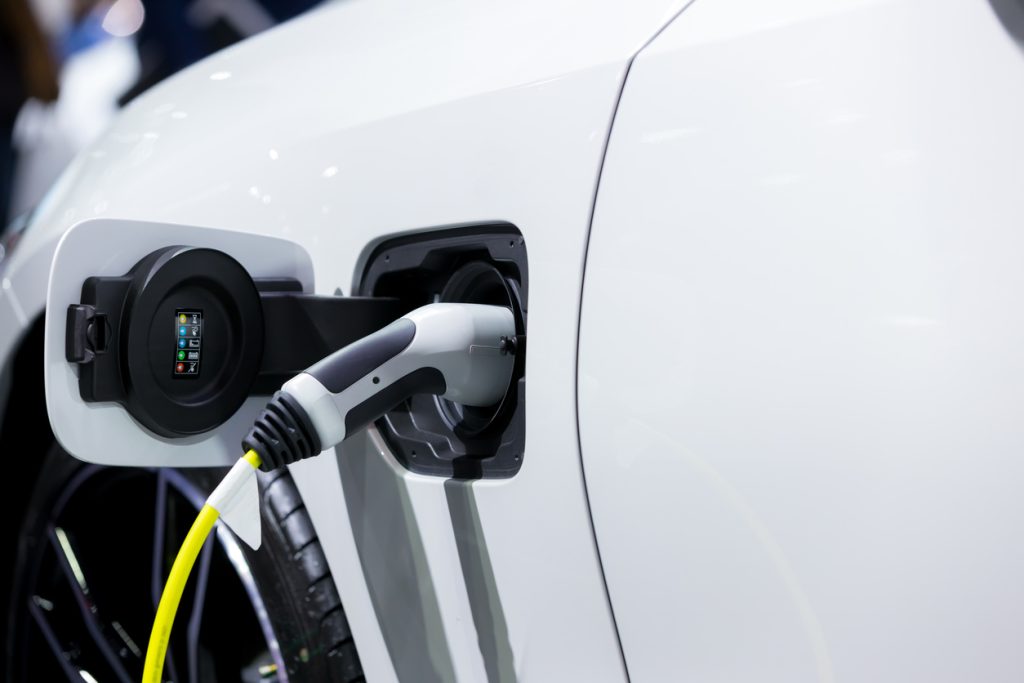
EV charging in Nigeria is becoming an important consideration as more drivers explore electric vehicles for personal transportation, business operations, and daily commuting. Although electric cars can reduce dependence on petrol, finding reliable charging options remains a practical concern.
In cities like Lagos, Abuja, and Port Harcourt, drivers must consider electricity availability, charging locations, battery capacity, and travel distance before making the switch.
Understanding how electric vehicle charging works in Nigeria can help motorists avoid unnecessary delays and manage transportation costs.
Where Can You Charge an Electric Vehicle in Nigeria?
Public EV charging infrastructure is still developing across Nigeria. Unlike petrol stations, charging points are not widely available along major roads.
Most electric vehicle owners currently depend on private charging arrangements, including residential installations and workplace charging facilities.
Common charging options include:
- Home charging: Installing a compatible charger at a residential property.
- Workplace charging: Charging vehicles during working hours where facilities are available.
- Commercial charging stations: Using designated EV charging locations where accessible.
- Solar-powered charging: Combining solar energy, battery storage, and suitable charging equipment.
Drivers should confirm that a charging facility is operational and compatible with their vehicle before travelling there.
How Much Does EV Charging in Nigeria Cost?
Charging expenses depend on electricity tariffs, battery capacity, charging efficiency, and the power source.
For example, an electric vehicle requiring 40 kilowatt-hours of electricity would have a theoretical energy cost of ₦8,000 at an illustrative tariff of ₦200 per kWh.
Actual expenses may be higher because of charging losses, commercial service charges, or generator-powered electricity.
Homeowners using solar installations may reduce their dependence on grid electricity, although installing panels, batteries, inverters, and charging equipment requires an initial investment.
Before purchasing an electric vehicle, compare estimated charging expenses with your current petrol consumption.
Planning Electric Vehicle Trips Between Nigerian Cities
Long-distance journeys require more preparation than ordinary city commuting.
A driver travelling from Lagos to Ibadan must consider the vehicle’s available driving range, traffic conditions, air-conditioning usage, and charging opportunities.
For longer journeys between Lagos and Abuja, relying on unverified charging stations could create serious delays.
Before departure:
- Check the vehicle’s battery condition and estimated range.
- Identify confirmed charging locations along the route.
- Allow extra battery capacity for traffic and unexpected diversions.
- Confirm charging connector compatibility.
- Arrange alternative transportation if charging facilities become unavailable.
These precautions are especially important during festive periods when road congestion can increase journey times.
Challenges Facing Electric Vehicle Owners in Nigeria
Electric vehicle adoption presents several practical challenges.
Unstable electricity supply can interrupt home charging, while limited public infrastructure makes spontaneous long-distance travel difficult.
Drivers must also consider replacement battery costs, access to qualified technicians, and the availability of compatible spare parts.
Businesses introducing electric delivery vehicles should assess daily mileage, overnight charging arrangements, and vehicle downtime before replacing conventional fleets.
How Travo.ng Supports Smarter Transportation Planning
As Nigeria’s transportation industry evolves, dependable travel arrangements remain essential.
Travo.ng supports customers through vehicle hire, transport coordination, airport pickups, and business logistics services.
For businesses exploring electric mobility, proper route planning and reliable transport alternatives can help maintain operations while charging infrastructure develops.
Whether arranging corporate transportation in Lagos or coordinating interstate movement, Travo.ng provides practical transport support.
EV charging in Nigeria has promising potential, but successful ownership depends on realistic planning, dependable electricity, and understanding where charging facilities are available.
With suitable infrastructure and proper journey preparation, electric vehicles can become a more practical transportation option for Nigerian motorists.
Is this conversation helpful so far?
