


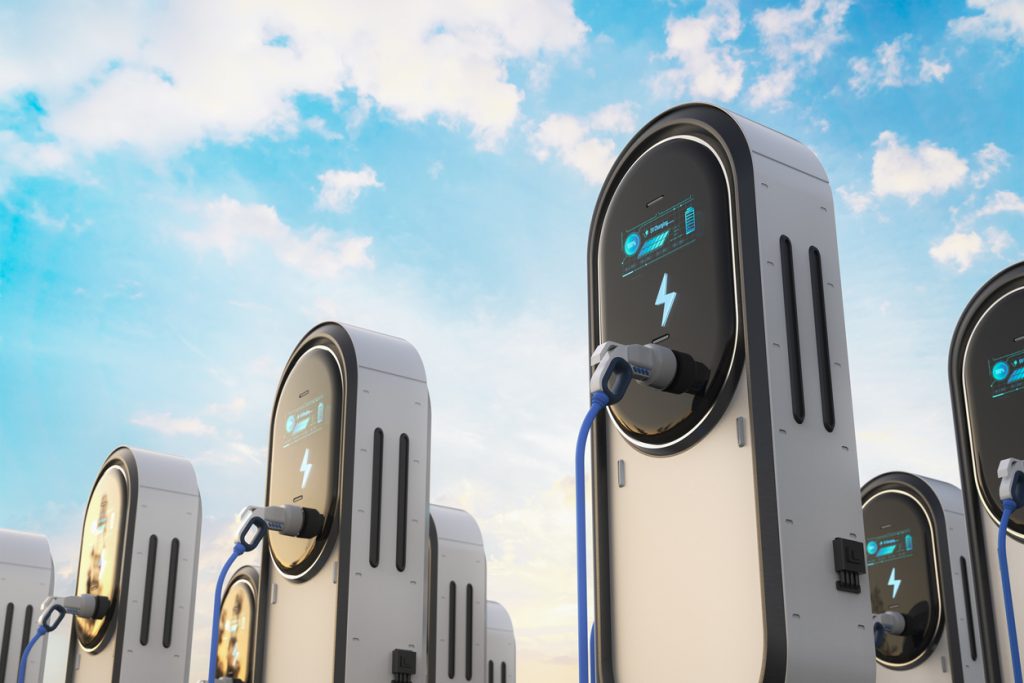
Electric vehicles are gradually becoming part of Nigeria’s transport industry, especially as businesses and individuals look for alternatives to petrol-powered vehicles. However, finding a reliable EV charging company in Nigeria remains a major concern for drivers considering electric mobility.
Unlike petrol stations, electric vehicle charging facilities are not yet widely available across Nigerian cities. Drivers must consider charging locations, electricity supply, installation requirements, and vehicle compatibility before switching to electric cars.
Whether you operate an electric delivery vehicle in Lagos or own a private EV in Abuja, understanding available charging solutions can help you avoid unnecessary delays.
Where Can You Find an EV Charging Company in Nigeria?
Electric vehicle charging infrastructure is developing in major cities such as Lagos and Abuja, where interest in electric mobility is increasing.
However, charging availability varies significantly between locations. Some facilities are privately operated, while others serve commercial fleets or specific vehicle brands.
Before visiting a charging facility, confirm:
- Whether the station accepts your vehicle model.
- The type of charging connector available.
- Charging fees and payment arrangements.
- Operating hours and accessibility.
- Availability of electricity or backup power.
Drivers should contact charging providers directly rather than assuming every advertised location is operational.
For businesses operating electric delivery fleets, having a dependable charging arrangement is particularly important.
How Much Does EV Charging Cost in Nigeria?
Charging expenses depend on electricity tariffs, battery capacity, charging speed, and whether the vehicle uses residential or commercial electricity.
For example, an electric car requiring 40 kilowatt-hours of energy would consume approximately ₦8,000 worth of electricity at an illustrative tariff of ₦200 per kWh.
This excludes charging losses, service fees, and other charges imposed by commercial operators.
Home charging may offer greater convenience, especially for drivers with reliable electricity or suitable solar installations.
Commercial charging stations can be useful for businesses that need vehicles operating throughout the day.
Before choosing a provider, request a clear breakdown of installation costs, electricity consumption, maintenance requirements, and additional service charges.
Choosing an EV Charging Company in Nigeria for Your Business
Businesses introducing electric vehicles should evaluate charging arrangements alongside their daily transport operations.
A delivery company operating between Ikeja, Victoria Island, and Lekki, for example, must consider how charging periods affect dispatch schedules.
An electric vehicle that requires several hours to recharge may disrupt deliveries if charging is not properly planned.
When evaluating charging providers, consider three practical factors.
Charging speed: Confirm whether the provider offers AC charging, DC fast charging, or both.
Power reliability: Ask about backup electricity arrangements during grid outages.
Technical support: Choose providers capable of handling installation, equipment faults, and routine maintenance.
Businesses should also calculate vehicle range under realistic conditions, including Lagos traffic, air-conditioning usage, and delivery loads.
Planning Electric Vehicle Transport Across Nigerian Cities
Charging infrastructure is only one part of successful electric vehicle operations.
Businesses also need reliable transport coordination, route planning, and vehicle movement arrangements.
For example, transporting an electric vehicle from Lagos to Abuja requires careful consideration of driving range and verified charging stops. Where suitable charging facilities are unavailable, vehicle haulage may be more practical.
Travo.ng supports transport coordination, vehicle hire arrangements, and business logistics planning across Nigeria.
These services can help individuals and organisations manage vehicle movement while exploring electric mobility solutions.
Get Practical Support for Electric Vehicle Logistics in Nigeria
Choosing an EV charging company in Nigeria requires more than comparing electricity prices. Charging compatibility, dependable power, technical assistance, and accessibility all influence daily vehicle operations.
Before investing in charging equipment or expanding an electric fleet, assess your transport routes and operational requirements.
For vehicle movement, transport coordination, and business logistics support, contact Travo.ng to discuss practical arrangements that suit your needs.
Is this conversation helpful so far?
