


Electric vehicles are gradually becoming more visible on Nigerian roads, particularly in Lagos and Abuja. However, finding convenient charging points remains a challenge for many drivers. This makes EV charger installation in Nigeria an important consideration for homeowners, businesses, hotels, and commercial property managers.
Installing a charging station involves more than purchasing equipment. You need a suitable electrical supply, proper installation, safe wiring, and reliable arrangements for transporting charging equipment.
Whether you own an electric car or want to provide charging facilities for customers, understanding the installation process can help you avoid expensive mistakes.
Choosing the Right EV Charger for Your Property
Not every electric vehicle requires the same charging arrangement. Your choice depends on the vehicle, available electricity, and daily driving requirements.
Common options include:
- Portable chargers: Suitable for occasional charging where the electrical connection meets safety requirements.
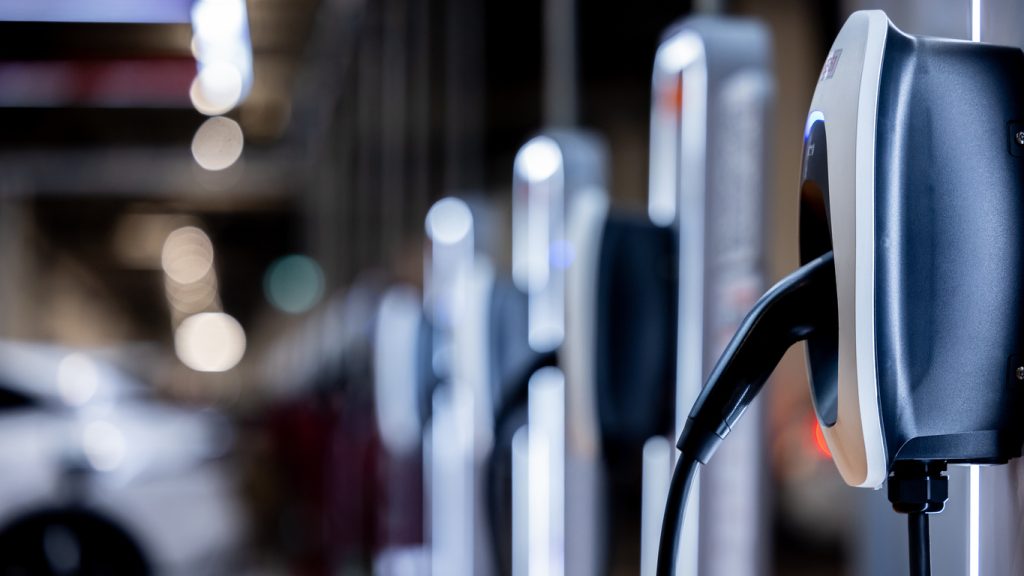
- AC wall-mounted chargers: Commonly used in homes, offices, hotels, and residential estates.
- DC fast chargers: Designed for commercial locations requiring faster charging and higher electrical capacity.
For a homeowner in Lekki or Abuja, an AC wall charger may be sufficient for overnight charging.
Commercial operators managing electric taxis or delivery vehicles may require multiple charging points to reduce vehicle downtime.
Before purchasing equipment, confirm that the charger is compatible with your vehicle.
What EV Charger Installation in Nigeria Actually Costs
Installation expenses depend on the charger capacity, electrical infrastructure, cable distance, and necessary upgrades.
A property with an existing suitable electrical connection may require fewer modifications than a commercial facility installing several charging stations.
Major cost considerations include:
- Charger purchase and equipment specifications
- Electrical wiring and protective devices
- Distribution board upgrades
- Installation labour and testing
- Equipment transportation and delivery
Properties relying heavily on generators should also calculate their operating costs before investing.
Request an inspection and itemised quotation from a qualified electrical installer rather than relying on a fixed installation estimate.
Power Supply Challenges You Should Prepare For
Nigeria’s electricity supply can be unpredictable, making power planning particularly important.
For example, an electric vehicle owner in Port Harcourt may have sufficient grid electricity overnight on some days but experience outages on others.
Businesses operating electric delivery fleets face an additional challenge because vehicles must be charged before scheduled trips.
Some property owners consider solar power, battery storage, or backup electricity systems to improve charging availability.
However, these systems must be properly sized for the charger’s power requirements.
A qualified installer should assess electrical capacity, earthing, circuit protection, and applicable safety requirements before commissioning the equipment.
Getting EV Charging Equipment Delivered Safely
Charging equipment can be expensive and sensitive to damage during transportation.
Businesses importing charging stations through Lagos ports must consider customs documentation, cargo handling, storage, and delivery arrangements.
Moving equipment from Lagos to Abuja or Port Harcourt also requires appropriate packaging and transport coordination.
Travo.ng can support the logistics side through cargo transportation coordination, courier services, and business delivery arrangements.
For commercial projects involving multiple chargers, scheduling deliveries around installation dates helps prevent unnecessary storage expenses and delays.
Where Businesses Can Install EV Charging Stations
Potential locations include hotels, shopping centres, office complexes, residential estates, and commercial fleet depots.
A hotel in Victoria Island, for example, may introduce charging facilities for guests driving electric vehicles.
Before installation, management should assess parking availability, electricity costs, charging demand, and access arrangements.
Businesses should also consider whether chargers will serve employees, customers, or commercial vehicles.
These decisions influence equipment selection and operating expenses.
Plan Your EV Charger Installation With Travo.ng
Successful EV charger installation in Nigeria requires proper electrical planning, compatible equipment, and dependable logistics.
Work with qualified electrical professionals for installation and safety testing.
For equipment transportation, cargo coordination, and business logistics support, Travo.ng can help organise the movement of charging equipment to your project location.
Plan your installation carefully and arrange reliable delivery support with Travo.ng.
Is this conversation helpful so far?
