


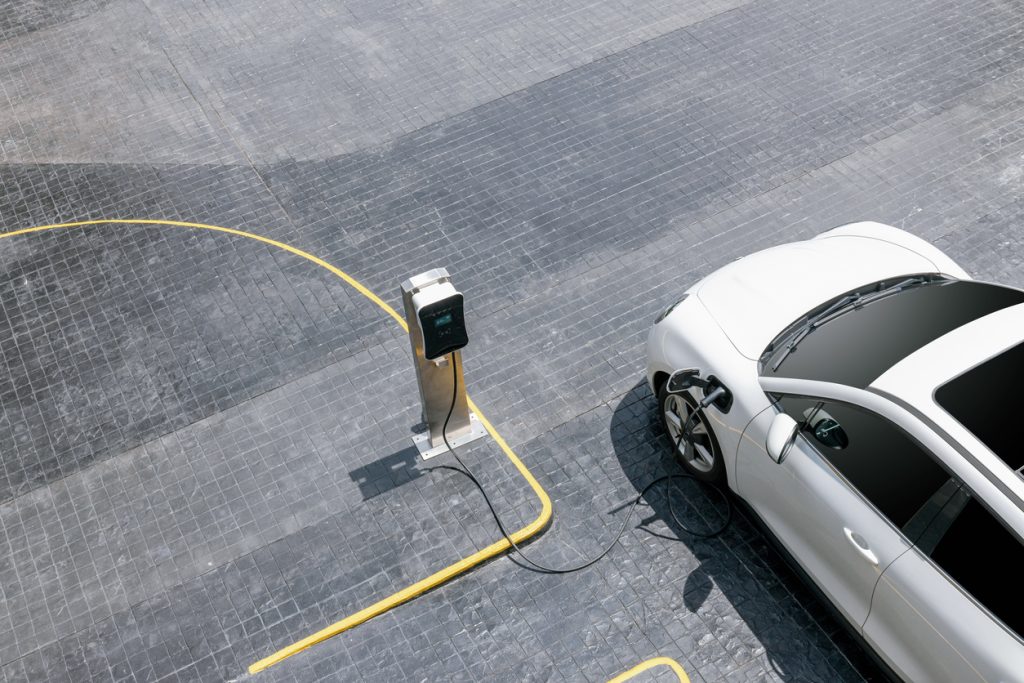
Electric vehicle infrastructure in Nigeria is gradually becoming an important part of the country’s transportation conversation. With rising petrol costs, increasing vehicle maintenance expenses, and growing interest in cleaner mobility, more Nigerians are considering electric vehicles as an alternative to conventional cars.
However, owning an electric vehicle involves more than purchasing one. Drivers need reliable charging stations, stable electricity, maintenance support, and accessible transport routes.
For businesses operating delivery fleets, ride-hailing services, and corporate transportation, understanding how electric mobility works in Nigeria can help reduce operational uncertainty and support better long-term planning.
Where Electric Vehicle Charging Stations Are Developing in Nigeria
Lagos and Abuja are among the major cities attracting attention for electric mobility development. Interest is also growing in cities such as Ibadan and Port Harcourt.
Charging infrastructure remains limited compared with conventional petrol stations, making journey planning particularly important.
Electric vehicle owners should consider several practical factors:
- Availability of charging facilities near their homes or workplaces.
- Compatibility between charging equipment and vehicle models.
- Electricity reliability and alternative power arrangements.
- Distance between charging locations.
- Charging duration before interstate journeys.
For example, an electric vehicle travelling between Lagos and Ibadan requires sufficient battery capacity for the journey and any unexpected traffic delays.
Unlike petrol vehicles, drivers cannot assume that charging facilities will be available at every major roadside stop.
What It Costs to Establish EV Charging Infrastructure
Setting up charging infrastructure requires investment in equipment, electrical connections, installation, and ongoing maintenance.
A basic residential charging arrangement may cost significantly less than a commercial fast-charging facility.
Commercial operators must also consider electricity tariffs, transformer capacity, backup power, site security, and customer accessibility.
For logistics businesses managing multiple vehicles, installing chargers at a central depot may be more practical than depending entirely on public charging stations.
Overnight charging can also help businesses prepare vehicles for scheduled morning deliveries.
How Electric Vehicles Could Change Delivery Operations in Lagos
Delivery companies operating around Lekki, Victoria Island, Ikeja, and Yaba face substantial daily transportation expenses.
Electric delivery vehicles could help reduce petrol consumption and certain maintenance costs, particularly on predictable urban routes.
However, operational planning remains essential.
A delivery company handling multiple daily trips must understand vehicle range, payload capacity, charging schedules, and traffic conditions.
For instance, a vehicle completing deliveries between Ikeja and Lagos Island may experience additional energy consumption during prolonged traffic and air-conditioning use.
Businesses must therefore calculate realistic operating range rather than relying exclusively on manufacturer estimates.
Travo.ng supports practical transport and logistics coordination, helping businesses plan deliveries and cargo movement while the Nigerian mobility sector continues evolving.
Challenges Slowing Electric Vehicle Adoption Across Nigeria
Despite growing interest, several obstacles continue to affect electric mobility development.
Unreliable electricity supply can increase dependence on alternative power systems. Imported charging equipment and replacement components may also create additional expenses.
Other concerns include limited technical expertise, battery replacement costs, and insufficient charging coverage outside major cities.
These challenges are particularly important for interstate transport operators whose vehicles cover long distances.
Until charging networks become more widespread, conventional and electric vehicles may continue operating alongside one another.
Planning Transport Around Nigeria’s Changing Mobility Needs
Businesses considering electric vehicles should begin with routes that offer predictable distances and reliable charging access.
Fleet operators can assess daily mileage, vehicle downtime, electricity expenses, and maintenance requirements before expanding.
Meanwhile, customers still need dependable transport and delivery arrangements regardless of vehicle technology.
Travo.ng provides a practical starting point for coordinating transport, courier services, cargo logistics, and business deliveries across Nigeria.
As electric vehicle infrastructure in Nigeria develops, combining new mobility technology with effective logistics planning will be essential.
Explore Travo.ng for transport coordination and logistics solutions that support your everyday travel and business delivery needs.
