


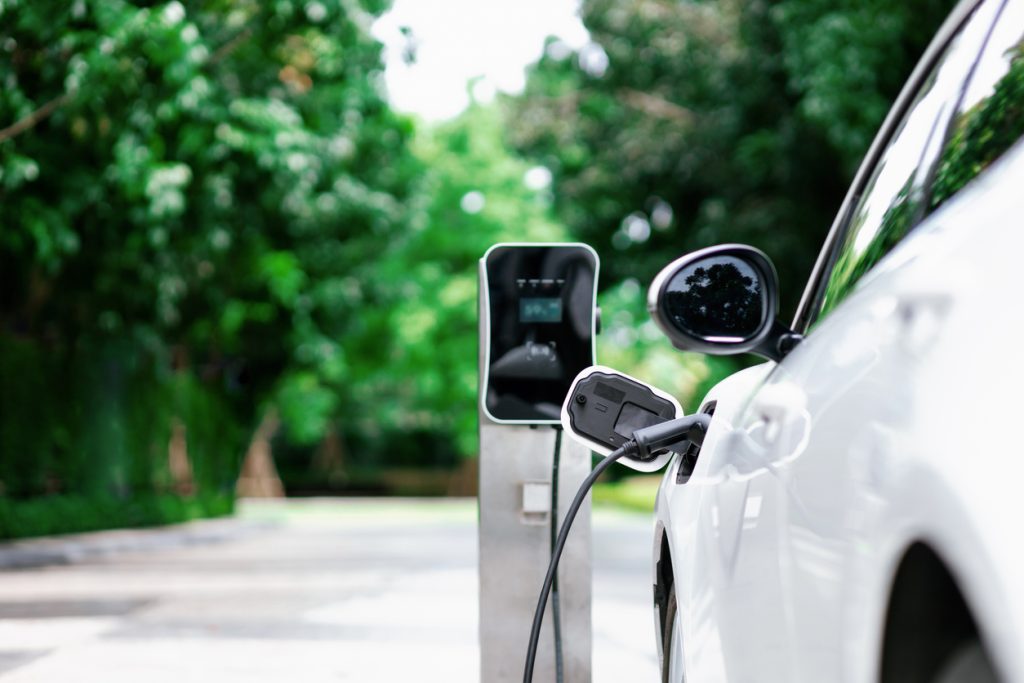
Electric vehicle charging in Nigeria is becoming an important consideration as more individuals and businesses explore alternatives to petrol-powered vehicles. With rising fuel expenses and growing interest in cleaner transportation, electric cars are gradually attracting attention in cities like Lagos, Abuja, and Port Harcourt.
However, owning an electric vehicle in Nigeria requires more planning than simply finding a charging station. Electricity availability, charging costs, battery capacity, and travel distance all influence how conveniently drivers can operate their vehicles.
Understanding these factors helps motorists make better decisions before switching to electric transportation.
Where Can You Find Electric Vehicle Charging in Nigeria?
Public EV charging infrastructure is still developing, with availability varying significantly between cities.
Lagos and Abuja are among the locations where drivers may find charging facilities operated by private companies, vehicle dealers, and emerging electric mobility providers.
However, charging points are not as widespread as conventional petrol stations.
Before visiting a charging location, drivers should confirm:
- Whether the station is operational.
- The charging connector supported.
- Available charging speed and capacity.
- Payment requirements and operating hours.
- Whether advance booking is necessary.
For drivers travelling around Lekki, Victoria Island, Ikeja, or Abuja’s business districts, checking charging availability before departure can prevent unnecessary delays.
How Much Does It Cost to Charge an Electric Car in Nigeria?
Charging expenses depend on electricity tariffs, battery capacity, and the charging method.
For example, a vehicle with a 50 kWh battery may require approximately 50 kWh of electricity to charge from empty to full, excluding energy losses.
At an illustrative electricity rate of ₦200 per kWh, the electricity alone would cost approximately ₦10,000. Actual costs may be higher because of charging losses or commercial station fees.
Home charging may offer better convenience, particularly for drivers with reliable electricity or suitable solar installations.
Public fast charging can reduce waiting time but may involve additional service charges.
How Long Does Electric Vehicle Charging Take?
Charging time depends on the vehicle’s battery size and the charger’s power output.
A 50 kWh battery could take approximately:
- 3 kW home charger: 17–20 hours.
- 7 kW home charger: 7–9 hours.
- 50 kW DC fast charger: Around one hour for a substantial charge, where supported.
These are estimates. Actual charging speeds depend on vehicle specifications, battery temperature, and charging conditions.
For Nigerian drivers dealing with inconsistent electricity supply, overnight charging requires a dependable power arrangement.
Planning Electric Vehicle Trips Between Nigerian Cities
Interstate journeys require additional preparation because public charging facilities remain limited along many major highways.
Someone travelling from Lagos to Ibadan or Abuja to Kaduna should calculate the vehicle’s practical driving range before departure.
Important considerations include road conditions, air-conditioning usage, traffic congestion, and charging availability.
Drivers should also maintain a reasonable battery reserve rather than planning journeys around the vehicle’s maximum advertised range.
For longer trips where charging arrangements are uncertain, Travo.ng offers transport coordination and vehicle hire support as practical alternatives.
Making Electric Vehicle Transport More Convenient
Businesses introducing electric vehicles into their operations must consider charging schedules alongside daily transport requirements.
A delivery company operating across Lagos, for example, needs to ensure vehicles have sufficient battery capacity for assigned routes before dispatch.
Poor charging coordination can interrupt deliveries and increase operational downtime.
Travo.ng supports businesses through transport coordination, delivery services, and logistics planning, helping organisations manage mobility requirements as transportation technology evolves.
As electric vehicle charging in Nigeria develops, reliable infrastructure and careful journey planning will remain essential.
Drivers considering electric mobility should evaluate their electricity access, typical travel distances, and charging options before purchasing a vehicle.
With proper preparation and dependable transport support from Travo.ng, individuals and businesses can make more informed mobility decisions.
Is this conversation helpful so far?
