


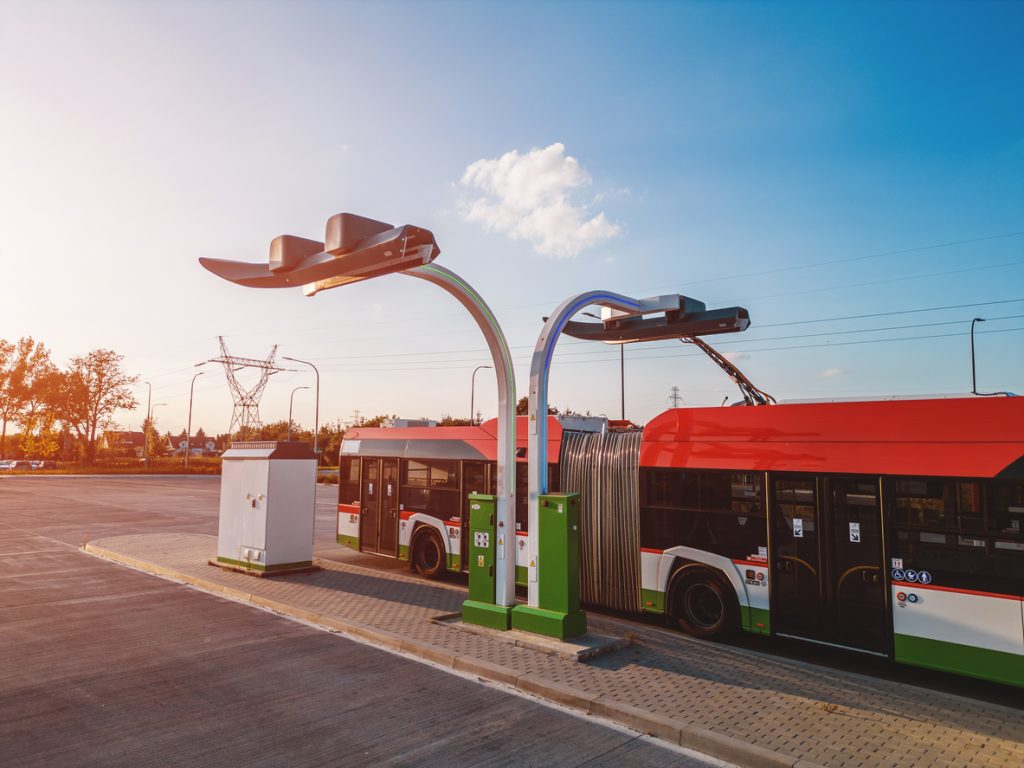
Electric vehicles are gradually gaining attention in Nigeria, but finding a reliable charging solution remains a concern for many drivers. Whether you own an electric car in Lagos, operate a business fleet in Abuja, or plan to introduce electric vehicles into your transport operations, having access to an electric vehicle charger in Nigeria is essential.
Unlike petrol vehicles, electric cars require proper charging infrastructure, stable electricity, and suitable equipment. Understanding these requirements can help drivers avoid unnecessary expenses and charging difficulties.
Where Can You Find an Electric Vehicle Charger in Nigeria?
Public EV charging stations are still limited compared with conventional filling stations. Most electric vehicle owners depend on private charging arrangements at home, offices, or commercial facilities.
In cities such as Lagos and Abuja, charging infrastructure is gradually developing, particularly around commercial properties and locations supporting electric mobility.
However, drivers should confirm charger availability before travelling because charging points may not always be operational or compatible with their vehicles.
For businesses operating electric delivery vehicles, installing dedicated charging equipment at their premises can reduce dependence on public stations.
Choosing the Right Charger for Your Electric Vehicle
Not every electric vehicle uses the same charging connector or supports the same charging speed.
Before purchasing charging equipment, consider three common options:
- Portable chargers: Suitable for occasional charging where a compatible, properly protected electrical supply is available.
- AC wall chargers: Commonly installed in homes, offices, and business premises for regular charging.
- DC fast chargers: Designed for faster charging, particularly at commercial stations and fleet facilities.
A typical 7kW home charger may take several hours to recharge an electric vehicle, depending on battery capacity and its existing charge level.
Always check your vehicle’s connector type, onboard charging capacity, and manufacturer recommendations before installation.
How Much Does EV Charging Installation Cost in Nigeria?
The cost of installing an electric vehicle charger in Nigeria depends on the equipment, electrical infrastructure, and installation requirements.
A property with suitable wiring and sufficient electrical capacity may require fewer modifications than one needing a dedicated circuit, distribution board upgrades, or additional protection equipment.
Other expenses may include:
- Charger purchase and installation labour
- Electrical inspection and circuit protection
- Cable routing and mounting materials
- Backup electricity or solar power integration
- Maintenance and equipment servicing
Request an installation assessment and itemised quotation from a qualified electrical professional before making payment.
Managing EV Charging During Nigerian Power Interruptions
Electricity reliability is one of the biggest considerations for electric vehicle owners.
In Lagos, Port Harcourt, and Abuja, inconsistent power supply can affect charging schedules, especially when vehicles are needed for daily commercial operations.
Businesses should consider charging vehicles overnight when electricity is available and maintaining sufficient battery reserves for planned journeys.
Solar systems with suitable battery storage may provide additional charging support, although their capacity must match the vehicle’s energy requirements.
For delivery companies, planning charging around dispatch schedules helps prevent avoidable operational delays.
Planning Electric Vehicle Transport With Travo.ng
Charging infrastructure is only one part of operating electric vehicles successfully.
Businesses introducing electric vehicles must also consider journey distances, vehicle availability, delivery schedules, and transport coordination.
Travo.ng provides transport coordination, vehicle hire arrangements, courier services, and business logistics support that can help organisations manage their mobility requirements.
For companies evaluating electric delivery fleets, coordinating routes and daily transport needs is particularly important while charging infrastructure remains limited.
Getting Started With EV Charging in Nigeria
Before investing in charging equipment, confirm your vehicle’s specifications, available electricity capacity, and daily driving requirements.
An appropriately installed charger can make electric vehicle ownership more convenient and help businesses plan operations confidently.
For transport coordination and logistics support alongside your electric mobility plans, contact Travo.ng to discuss suitable service arrangements.
Is this conversation helpful so far?
