


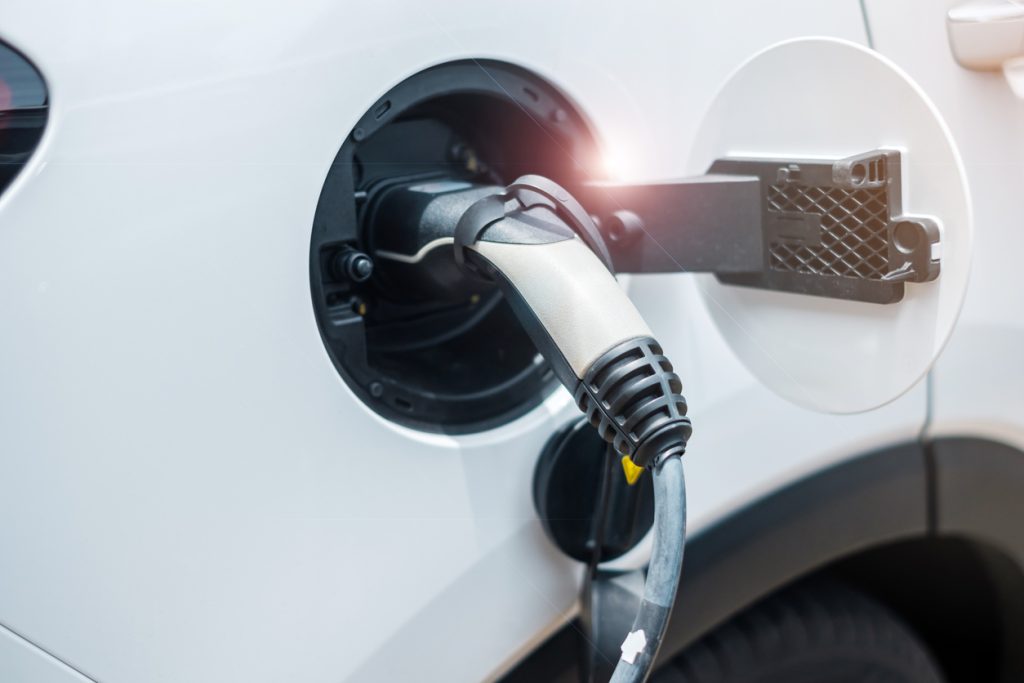
Electric vehicles are gradually becoming part of Africa’s transport industry, but one concern continues to influence adoption: where can drivers charge their cars?
Unlike petrol vehicles, which can refuel at filling stations across major cities, electric cars depend on charging infrastructure that remains unevenly distributed.
For Nigerian drivers considering electric vehicles, understanding electric car charging in Africa is important before investing in one.
From charging costs to electricity reliability and available charging stations, several practical factors determine whether electric mobility makes financial and operational sense.
Where Electric Car Charging Is Growing Across Africa


8
Electric vehicle charging infrastructure is developing at different speeds across African countries.
South Africa has one of the continent’s more established public charging networks, particularly around Johannesburg, Cape Town and major highways.
Kenya is also expanding electric mobility, especially through electric motorcycles, buses and commercial fleets.
In Nigeria, charging infrastructure remains limited, although interest in electric vehicles is increasing in Lagos, Abuja and other commercial centres.
Most Nigerian electric vehicle owners still depend heavily on private charging arrangements rather than widely accessible public stations.
This makes charging availability an important consideration when planning daily journeys.
How Much Does It Cost to Charge an Electric Car in Nigeria?
Charging costs depend on electricity tariffs, battery capacity and whether drivers use residential electricity, commercial power or dedicated charging stations.
Consider an electric vehicle with a 50 kWh battery.
If electricity costs ₦200 per kWh, a theoretical full battery charge would cost approximately ₦10,000 before accounting for charging losses.
Actual expenses may be higher depending on electricity supply arrangements and charging efficiency.
For businesses operating electric delivery vehicles, charging during available grid-electricity periods can help reduce dependence on expensive alternative power sources.
However, operators must compare electricity expenses with generator costs, vehicle maintenance and daily driving distances.
Why Charging Infrastructure Remains a Challenge
The biggest obstacle to widespread electric vehicle adoption is not necessarily the vehicles themselves.
It is the supporting infrastructure.
Several challenges affect electric car charging in Africa:
- Unreliable electricity supply in some locations.
- Limited public charging stations outside major cities.
- High installation costs for commercial charging equipment.
- Different charging connectors and vehicle compatibility requirements.
- Limited access to dependable charging during interstate journeys.
For example, travelling between Lagos and Ibadan in an electric vehicle requires more planning than driving a petrol-powered car.
Drivers must consider available battery range, traffic delays and whether suitable charging facilities exist along their route.
Can Electric Vehicles Work for Nigerian Delivery Businesses?
Electric vehicles may be particularly suitable for businesses operating predictable urban routes.
A delivery company serving Lekki, Victoria Island and Ikoyi could potentially operate electric vehicles that return to a central charging location after completing daily assignments.
This arrangement reduces dependence on public charging stations.
However, companies must calculate daily mileage, payload requirements, charging time and electricity availability before changing their fleets.
Businesses requiring flexible delivery arrangements can also explore Travo.ng’s courier services, cargo logistics and transport coordination solutions while evaluating their long-term mobility needs.
What Drivers Should Check Before Buying an Electric Car
Before purchasing an electric vehicle in Nigeria, confirm that the charging arrangements suit your lifestyle.
Check whether the vehicle supports home charging, how long charging takes and whether replacement components are locally available.
Drivers should also investigate battery warranties and the availability of qualified technicians.
For frequent interstate travellers, charging access deserves particular attention.
A vehicle suitable for daily Lagos commuting may not offer the same convenience on longer journeys without reliable charging stops.
The Road Ahead for Electric Mobility in Africa
Electric car charging in Africa will become increasingly important as governments, private investors and transport operators explore cleaner mobility solutions.
Solar-powered charging facilities, commercial fleet depots and improved electricity infrastructure could support wider adoption.
For now, careful journey planning remains essential.
Travo.ng supports practical movement through transport coordination, vehicle hire and logistics services, helping individuals and businesses manage their transport needs as Africa’s mobility landscape continues to evolve.
Whether travelling across Nigerian cities or organising business deliveries, choosing reliable transport arrangements remains just as important as the technology powering the vehicle.
