


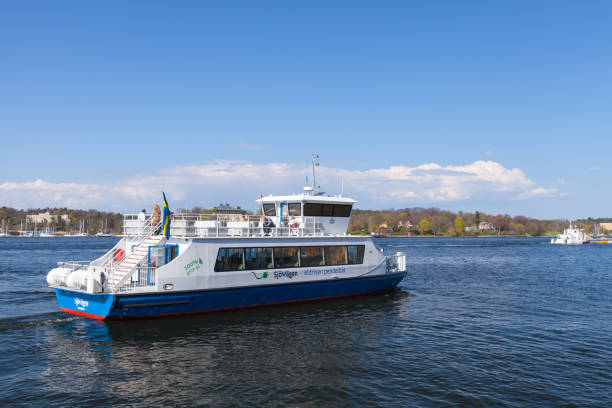
E-ferry Lagos refers to the growing use of electric-powered passenger ferries as part of Lagos’s plans to modernise water transportation. Electric ferries are designed to provide cleaner, quieter and potentially more efficient transportation across Lagos waterways.
What Is an E-Ferry?
An e-ferry is a passenger vessel powered by electricity rather than a conventional petrol or diesel engine.
Electric propulsion can reduce direct exhaust emissions during operation and produce less engine noise. For a busy city such as Lagos, e-ferries can provide an alternative way to move commuters while supporting efforts to reduce road congestion and improve sustainable transportation.
E-Ferry Lagos and the Omi Eko Project
The Omi Eko Project is one of the largest planned electric water transportation initiatives in Lagos.
The project is designed to establish 15 structured ferry routes covering approximately 140 kilometres, connect 25 upgraded and expanded ferry terminals, and introduce 75 electric vessels for passenger transportation. The vessels are expected to carry up to 440 passengers depending on their configuration.
The project is being implemented through the Lagos State Waterways Authority and is supported by the European Investment Bank, French Development Agency and European Union.
E-Ferry Routes in Lagos
The Omi Eko network is planned to provide structured water transportation connections across different parts of Lagos.
The planned network includes trunk and feeder routes connecting waterfront communities with major commercial and transportation areas.
As the project is still being implemented, passengers should distinguish between planned Omi Eko e-ferry routes and electric boats that may already be undergoing demonstrations or separate commercial development.
Caverton E-Ferry Lagos
Private-sector development is also contributing to the growth of electric ferry technology in Lagos.
Caverton Marine unveiled its Electric OMIBUS, an electric passenger ferry developed for Lagos waterways. The vessel forms part of the company’s efforts to develop scalable electric marine transportation for Nigerian waterways.
In 2026, Caverton also entered an agreement for 20 electric propulsion systems as part of plans to expand electric ferry operations in Lagos.
LAGFERRY E-Ferry Services
Lagos State has also announced plans to introduce electric-powered boats into the LAGFERRY fleet.
The initiative is intended to support affordable and sustainable public water transportation. LAGFERRY has stated that the lower operating and maintenance costs associated with electric vessels could help reduce transportation costs for commuters.
This initiative is separate from the broader Omi Eko Project, although both contribute to Lagos’s transition towards electric water transportation.
Benefits of E-Ferries in Lagos
Cleaner Water Transportation
Electric ferries do not produce direct exhaust emissions while operating, helping reduce local air pollution around waterways.
Quieter Journeys
Electric propulsion can significantly reduce engine noise, creating a more comfortable passenger experience and quieter waterfront environments.
Reduced Fuel Dependence
E-ferries reduce reliance on petrol and diesel propulsion, supporting Lagos’s efforts to diversify its transportation energy sources.
Potentially Lower Operating Costs
Electric vessels can have lower propulsion and maintenance costs than conventional vessels in some operating conditions. These savings depend on electricity costs, vessel utilisation, battery systems and charging infrastructure.
Reduced Road Congestion
Moving more passengers onto waterways can reduce the number of road journeys required between waterfront communities and major commercial districts.
E-Ferry Charging Stations
Reliable charging infrastructure is essential for an electric ferry network.
The Omi Eko Project includes charging infrastructure at selected ferry terminals. Project plans identify 25 ferry terminals and jetties, with charging and power-generation facilities included at selected locations.
The charging network will allow vessels to recharge between operating cycles and support more reliable electric ferry services.
E-Ferry Lagos for Daily Commuters
E-ferries can become particularly useful for workers and students who travel regularly across Lagos waterways.
Passengers travelling from waterfront communities towards Lagos Island, Ikoyi, Victoria Island and other commercial areas can potentially save time by using suitable ferry connections instead of travelling entirely by road.
The Omi Eko Project is specifically designed to improve accessibility and reduce travel times for commuters.
E-Ferry Lagos for Businesses
Businesses can also benefit from the development of electric water transportation.
Companies can use ferry services for employee movement, corporate transportation and other authorised passenger journeys where suitable routes are available.
For private events, large groups or specialised transportation requirements, dedicated boat charter services may be more suitable than standard public ferry transportation.
E-Ferry Lagos and Sustainable Mobility
Electric ferry transportation forms part of Lagos’s broader sustainable mobility strategy.
The Omi Eko Project aims to increase the role of water transportation in Lagos while improving accessibility, reducing congestion and lowering environmental impacts.
Once fully implemented, the project is expected to significantly increase the share of waterborne public transportation in Lagos.
Is E-Ferry Lagos Available Now?
Electric ferry development is already taking place in Lagos, but passengers should distinguish between demonstration vessels, planned electric fleets and fully operational public e-ferry routes.
The Omi Eko Project is still being implemented. In July 2026, Lagos State commenced the Project Management, Operations and Design Consultancy phase as part of the project’s delivery process.
Therefore, passengers should confirm the current operator, route, terminal, schedule and ticketing arrangements before planning an e-ferry journey.
How Travo.ng Can Help
Travo.ng can help coordinate e-ferry transportation, water transfers and marine travel arrangements in Lagos where suitable operators and services are available.
Customers can provide their departure location, destination, travel date, passenger numbers and preferred schedule to help identify an appropriate water transportation option.
Plan Your E-Ferry Lagos Journey
E-ferries are becoming an important part of Lagos’s future water transportation system. Through Omi Eko, LAGFERRY’s electric boat plans and private-sector developments such as Caverton’s Electric OMIBUS, Lagos is moving towards cleaner and more modern marine transportation.
The Omi Eko Project is planned to introduce 75 electric vessels across 15 structured routes and 25 ferry terminals, supported by charging infrastructure and modern passenger facilities.
As electric ferry services continue to develop, passengers should confirm the current route, terminal, fare, schedule and vessel availability before travelling.
Travo.ng can help coordinate Lagos e-ferry and water transportation arrangements based on your route, schedule, passenger numbers and travel requirements.
