


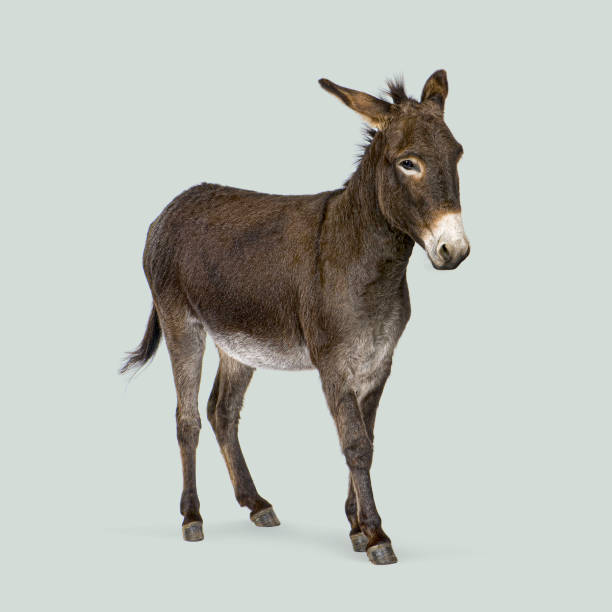
Donkey transport in Nigeria requires proper livestock handling, suitable transportation and careful journey planning. Whether a donkey is being moved between farms, delivered to a new owner or relocated to another state, the transportation process should protect the animal while keeping the journey organised.
The distance, number of donkeys, road conditions and weather can all affect how the movement should be arranged.
Common Reasons for Transporting Donkeys in Nigeria
Donkeys are transported for different agricultural and livestock purposes. A farmer may need to move a working animal to another property, while a buyer may need a donkey delivered after purchasing it from another location.
Other situations include:
• Relocating donkeys between farms
• Delivering purchased donkeys to owners
• Moving animals to breeding facilities
• Transporting working animals to another location
• Moving donkeys between states
• Relocating livestock during changes in farming operations
Before booking transportation, confirm the number of donkeys, their approximate sizes and the exact pickup and delivery locations.
Preparing Donkeys Before Transportation
The donkey should be checked before the journey to ensure it is fit to travel. An animal that is sick, injured or in poor condition may need veterinary attention before transportation.
Loading should be handled calmly and by people who are familiar with livestock. Rushing or using excessive force can increase stress and create unnecessary injury risks.
The receiving location should also be prepared before the journey starts. Have suitable space, water, shelter and a secure area available for the donkey when it arrives.
Choosing a Suitable Donkey Transport Vehicle
The vehicle used for donkey transport should provide sufficient space, ventilation and secure flooring. It should also have doors and sides that prevent the animals from escaping during the journey.
In Nigeria’s warm climate, ventilation is particularly important. The vehicle should allow adequate airflow and provide protection from excessive heat and harsh weather conditions.
The loading area should also provide secure footing, while the interior should be checked for sharp edges, damaged flooring or other hazards before departure.
Donkey Loading and Unloading
Loading is an important part of livestock transportation. A suitable ramp or loading area can make it easier for the donkey to enter the vehicle safely.
Handlers should avoid unnecessary force and allow sufficient time for the animal to become comfortable with the loading process.
The same care should be taken at the destination. The unloading area should be clear and secure, with enough room for the donkey to leave the vehicle without being rushed.
Long-Distance Donkey Transport in Nigeria
Moving donkeys across long distances requires more planning than a short local trip. The route should account for traffic, road conditions, weather and the expected journey duration.
A journey from northern Nigeria to Lagos, for example, can involve many hours on the road. The transport plan should therefore consider animal welfare, possible delays and suitable arrangements for the journey.
International animal transport guidance emphasises proper planning, suitable vehicles, competent handling and appropriate arrangements for animals during transportation. (National Agricultural Quarantine Service)
Interstate Donkey Transport Requirements
When donkeys are moved between Nigerian states, it is important to confirm any applicable veterinary and livestock movement requirements before departure.
Nigeria’s Agricultural Quarantine Service has veterinary responsibilities involving animal health and trade-animal inspections. The NAQS Act also provides for inspection and animal disease surveillance at interstate veterinary control posts, where trade animals are accompanied by veterinary movement and loading permits. (National Agricultural Quarantine Service)
This means livestock owners should establish the relevant requirements before an interstate donkey movement rather than waiting until the animals are already on the road.
Donkey Transport and Responsible Livestock Handling
Responsible transportation is particularly important for donkeys because Nigeria has faced concerns about the depletion of its donkey population.
NAQS has previously called for donkey ranching and breeding and has taken enforcement action against illegal donkey-related activities. The agency has also stated that donkey hide remains subject to export restrictions. (National Agricultural Quarantine Service)
For legitimate livestock owners, donkey transportation should therefore be organised around lawful movement and responsible animal handling.
How Much Does Donkey Transport Cost in Nigeria?
There is no fixed price for donkey transport because every journey has different requirements.
The cost can depend on:
• Pickup and delivery distance
• Number of donkeys
• Size of the animals
• Type of livestock vehicle
• Fuel and operating costs
• Road conditions
• Loading and unloading requirements
• Handling arrangements
• Applicable veterinary or movement requirements
• Urgency of the delivery
Moving one donkey within a nearby town will have different costs from transporting several donkeys across multiple states.
For a more accurate quote, provide the pickup location, destination, number of animals and preferred travel date.
Arranging Donkey Transport With Travo.ng
If you need donkey transport in Nigeria, Travo.ng can help coordinate the transportation logistics where the appropriate specialist livestock service is available.
When making an enquiry, provide the donkey’s current location, destination, number of animals, preferred date and any special requirements. Mention whether the journey is local, interstate or long distance.
From farm-to-farm movements to deliveries between Nigerian states, proper preparation can make donkey transportation more organised and help reduce avoidable delays and handling problems.
