


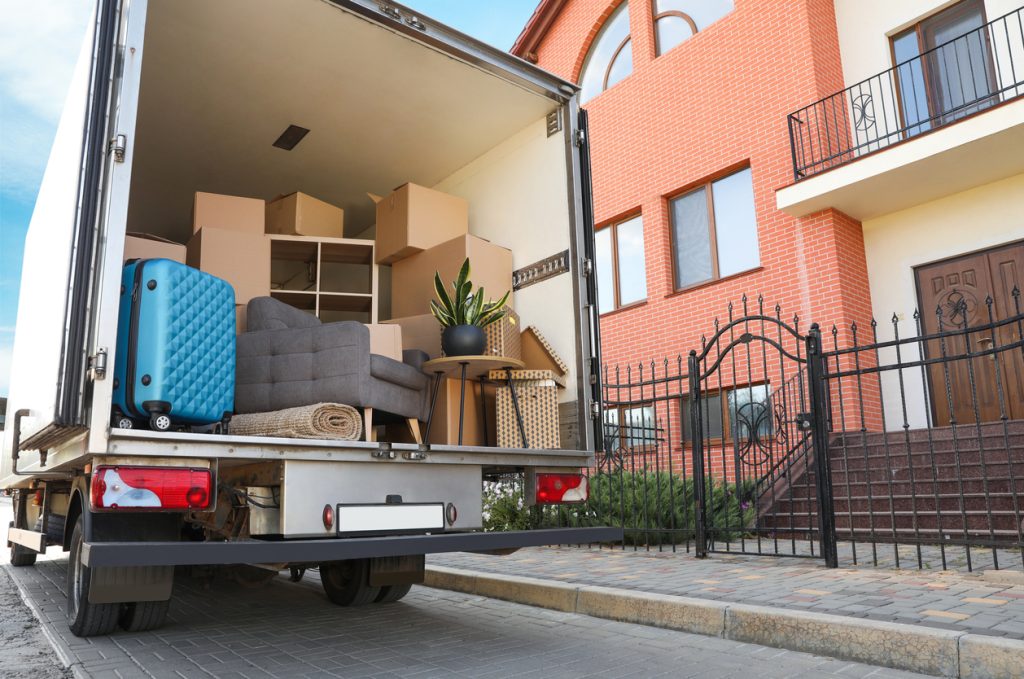
A commercial van asset management company is a professional service provider that manages vans owned by individuals, businesses, or investors as income-generating assets. Instead of the owner handling daily operations, logistics, maintenance, and drivers, the management company takes full responsibility for optimizing performance, reducing costs, and maximizing return on investment (ROI).
These companies are widely used in logistics, e-commerce delivery, corporate transport, and rental van investment models where vehicle efficiency directly impacts profitability.
What a commercial van asset management company does
A van asset management company oversees the entire lifecycle and operation of commercial vans.
Core responsibilities include:
- Vehicle deployment and utilization planning
- Driver recruitment, training, and supervision
- Maintenance scheduling and repair coordination
- Route planning and delivery optimization
- Fuel monitoring and cost control
- Compliance and documentation management
- Financial reporting and performance tracking
- Revenue optimization for fleet owners
In simple terms, it ensures vans are always working efficiently and generating income.
Why van asset management companies are important
Commercial vans are high-use assets that degrade quickly without proper management.
Without structured oversight, owners often face:
- Poor vehicle utilization
- High fuel and maintenance costs
- Frequent breakdowns and downtime
- Inefficient delivery routes
- Driver misuse or poor performance
- Weak profitability and ROI
Asset management companies solve these problems by introducing structure, technology, and operational expertise.
Core services of a commercial van asset management company
1. Fleet operations management
This is the core of van asset management.
It includes:
- Daily vehicle scheduling and dispatch
- Assignment of vans to routes or clients
- Monitoring real-time vehicle movement
- Ensuring operational efficiency across the fleet
2. Driver management and workforce control
Drivers significantly impact fleet performance.
Services include:
- Recruitment and onboarding
- Training in safe and efficient driving
- Shift scheduling and supervision
- Performance monitoring and evaluation
- Incentive and compliance systems
3. Route optimization and logistics coordination
Efficient routing reduces cost and improves delivery speed.
Management includes:
- Planning optimized delivery routes
- Reducing fuel consumption through smart routing
- Managing last-mile delivery logistics
- Coordinating multi-stop delivery operations
- Avoiding traffic and delay-prone routes
4. Maintenance and asset protection
Proper maintenance extends vehicle lifespan.
Services include:
- Preventive maintenance scheduling
- Engine and system diagnostics
- Repair coordination with workshops
- Tire, brake, and oil monitoring
- Breakdown recovery support
5. Fuel and cost management
Fuel is one of the largest operating expenses.
This includes:
- Fuel consumption tracking per vehicle
- Detecting fuel inefficiency or fraud
- Optimizing driving behavior for savings
- Fuel budgeting and reporting
- Cost-per-kilometer analysis
6. Compliance and documentation
Legal compliance is essential for commercial fleets.
Management covers:
- Vehicle registration and licensing
- Insurance management
- Roadworthiness certification
- Driver documentation and permits
- Safety compliance tracking
7. Financial reporting and ROI analysis
Owners need clear visibility into performance.
Reports include:
- Revenue per vehicle
- Cost per kilometer
- Maintenance expense breakdown
- Driver productivity reports
- Profitability per route or client
- ROI and asset performance metrics
8. Technology and tracking systems
Modern fleet companies rely heavily on technology.
This includes:
- GPS tracking and telematics
- Fleet management software
- Mobile delivery tracking apps
- Fuel monitoring systems
- Data analytics dashboards
- Automated reporting tools
Types of commercial van asset management models
1. Logistics-focused management
Focused on e-commerce, courier, and distribution services.
2. Corporate transport management
Manages staff buses and business mobility fleets.
3. Rental van asset management
Optimizes income from rented or leased vans.
4. Last-mile delivery optimization model
Focused on fast urban delivery operations.
5. Hybrid investment fleet model
Combines logistics operations with investor-owned vehicles.
Key performance indicators (KPIs)
Performance is measured using:
- Vehicle utilization rate
- Cost per kilometer
- Fuel efficiency
- Delivery success rate
- On-time delivery percentage
- Maintenance downtime
- Driver performance score
- Return on investment (ROI)
Benefits of a commercial van asset management company
Higher efficiency
Optimized routes and scheduling improve performance.
Lower operating costs
Fuel and maintenance expenses are reduced.
Increased asset lifespan
Preventive maintenance reduces breakdowns.
Better profitability
Improved utilization increases revenue.
Reduced operational burden
Owners do not manage daily logistics or drivers.
Challenges in van asset management
Despite benefits, challenges include:
- Traffic congestion in urban areas
- Rising fuel prices
- Driver behavior inconsistencies
- Vehicle wear and tear
- Demand fluctuations in logistics
- Theft or asset misuse risks
Risks of unmanaged van assets
Without proper management, owners may experience:
- Low fleet utilization
- High operational costs
- Frequent breakdowns
- Poor customer service performance
- Reduced profitability
- Weak ROI
Technology used in van asset management companies
Modern systems rely on:
- GPS fleet tracking systems
- Route optimization software
- Fuel monitoring tools
- Mobile driver apps
- Cloud-based fleet dashboards
- Predictive maintenance systems
These technologies improve visibility and decision-making.
Where logistics coordination fits into van asset management
Van fleets operate within broader logistics ecosystems such as:
- E-commerce delivery networks
- Warehousing and distribution systems
- Supply chain logistics
- Last-mile delivery operations
- Intercity freight movement
Efficient logistics coordination improves delivery speed and profitability.
How Travo.ng supports logistics coordination
While commercial van asset management companies focus on optimizing fleet operations and profitability, logistics coordination ensures smooth movement of goods across transport networks.
Travo.ng supports logistics operations through:
- Cargo consolidation and freight coordination
- Intercity and interstate delivery services
- Port-to-destination logistics support
- Supply chain coordination across Nigeria
- End-to-end logistics execution for cargo movement
This helps reduce inefficiencies and improves fleet performance.
Final thoughts
A commercial van asset management company plays a crucial role in transforming vans into efficient, revenue-generating assets. By combining operational control, technology, logistics planning, and financial oversight, these companies help investors and businesses maximize returns while minimizing operational complexity.
In today’s logistics-driven economy, success depends not just on owning vehicles, but on how effectively those vehicles are managed, deployed, and optimized for continuous performance and profitability.
