


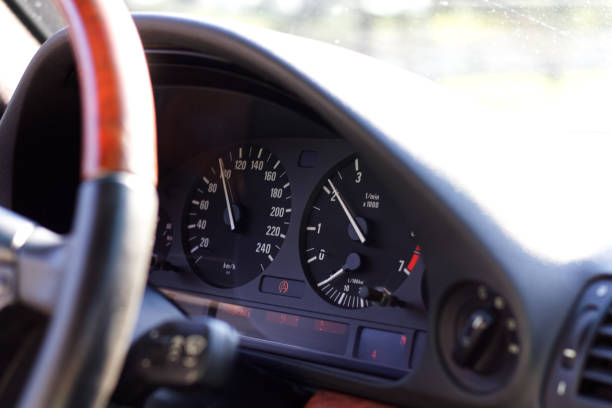
An overspeed monitoring system in Nigeria is a GPS and telematics-based solution that tracks vehicle speed in real time and triggers alerts when drivers exceed preset speed limits. It is designed to improve road safety, reduce accidents, control fuel usage, and enhance fleet discipline.
In high-traffic and fast-moving transport environments like Lagos, overspeed monitoring is widely used by logistics companies, ride-hailing operators, construction fleets, and corporate transport services.
What an overspeed monitoring system is
An overspeed monitoring system is a vehicle tracking solution that:
- Continuously measures vehicle speed using GPS data
- Compares speed against defined limits
- Sends instant alerts when limits are exceeded
- Stores speed history for reporting and analysis
It helps enforce safe driving standards across vehicles.
How overspeed monitoring systems work
The system operates in real time:
- GPS tracker captures vehicle movement and speed
- Predefined speed limits are set in the platform
- System compares actual speed with allowed thresholds
- Alerts are triggered when overspeeding occurs
- Reports are generated for review and compliance
Alerts are typically sent via mobile apps, SMS, or email.
Key features of overspeed monitoring systems
A complete system includes:
- Real-time speed tracking
- Custom speed limit settings per vehicle or route
- Instant overspeed alerts
- Driver behavior scoring and reports
- Trip history and playback
- Geofenced speed rules for specific zones
- Dashboard and mobile app monitoring
Benefits for businesses in Nigeria
Overspeed monitoring systems help companies:
- Reduce road accidents and vehicle damage
- Improve driver discipline and accountability
- Lower fuel consumption caused by aggressive driving
- Extend vehicle lifespan and reduce maintenance costs
- Improve delivery safety and reliability
Safety advantages
Overspeed systems significantly improve road safety by:
- Preventing reckless driving behavior
- Reducing crash risk on highways and urban roads
- Encouraging compliance with speed regulations
- Improving overall driving discipline
- Protecting drivers, cargo, and passengers
How it improves fleet performance
For logistics and transport companies, overspeed monitoring helps:
- Ensure timely but safe deliveries
- Reduce vehicle downtime from accidents
- Improve route planning and execution
- Increase operational consistency
- Enhance customer satisfaction through reliability
Use cases in Lagos transport environment
In a busy city like Lagos, overspeed monitoring systems are used for:
- Delivery and courier fleets
- Ride-hailing and taxi companies
- Corporate staff transport vehicles
- Construction and haulage trucks
- Intercity logistics operations
Common problems solved by overspeed systems
Without monitoring, companies often face:
- Frequent accidents and insurance claims
- High fuel consumption due to aggressive driving
- Poor driver discipline
- Vehicle wear and tear
- Delayed or unsafe deliveries
Common mistakes companies make
Some businesses reduce system effectiveness by:
- Ignoring overspeed alerts
- Not reviewing driver reports regularly
- Setting unrealistic speed limits
- Using tracking only for punishment instead of improvement
- Lack of driver training and feedback
Integration with fleet systems
Overspeed monitoring systems can integrate with:
- Fleet management platforms
- GPS tracking software
- Fuel monitoring systems
- Driver behavior analytics tools
- Logistics and dispatch systems
How Travo.ng supports overspeed monitoring systems
Modern fleet safety requires intelligent tracking and analytics.
Travo.ng supports businesses through:
- Real-time GPS tracking with overspeed alerts
- Driver behavior and safety monitoring systems
- Fleet optimization and logistics coordination tools
- Fuel efficiency and performance analytics
- End-to-end transport intelligence across Nigeria
Final thoughts
An overspeed monitoring system in Nigeria is essential for improving road safety, reducing operational costs, and ensuring better control over fleet behavior. It helps businesses enforce discipline while protecting vehicles, drivers, and cargo.
In fast-paced environments like Lagos, it is a critical tool for safe and efficient fleet operations.
