


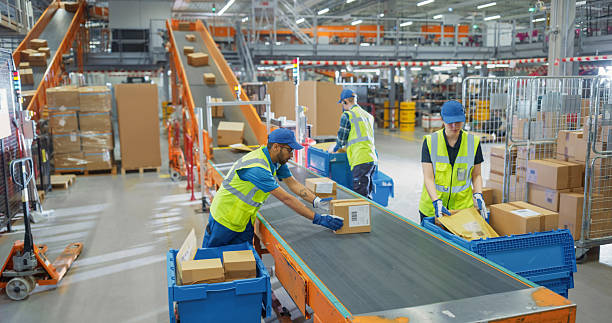
Wholesale goods transport in Nigeria involves moving products in large quantities from manufacturers, importers, wholesalers, distributors, or warehouses to retailers, businesses, and customers across the country.
For businesses that handle bulk inventory, reliable transportation is essential for keeping stock moving and fulfilling orders on time.
What Is Wholesale Goods Transport?
Wholesale goods transport is the movement of products purchased or sold in bulk from one location to another.
A wholesaler may need to transport goods:
- From a supplier to a warehouse.
- From a warehouse to a retail shop.
- Between different warehouses.
- From a distributor to customers.
- From one state to another.
- Directly from a manufacturer to a business.
The appropriate transportation option depends on the type and quantity of goods.
What Wholesale Goods Can Be Transported?
Wholesale transportation can be used for products such as:
- Food and beverages.
- Clothing and footwear.
- Electronics.
- Household goods.
- Agricultural products.
- Building materials.
- Packaging materials.
- Industrial supplies.
- Beauty products.
- General merchandise.
Some goods may require special handling or suitable packaging during transportation.
How Wholesale Goods Transport Works
A typical process involves:
Order Confirmed → Goods Prepared → Vehicle Arranged → Pickup → Loading → Transportation → Delivery → Confirmation
Before pickup, the sender should confirm the quantity and condition of the goods.
Transporting Wholesale Goods Within Nigeria
Goods can be transported between cities and states depending on the business’s distribution network.
Common commercial routes include:
- Lagos to Abuja.
- Lagos to Ibadan.
- Lagos to Benin City.
- Lagos to Port Harcourt.
- Lagos to Kano.
- Lagos to Ilorin.
- Onitsha to Lagos.
- Abuja to Kaduna.
The cost and delivery time vary according to the distance, cargo, vehicle, and route.
Choosing the Right Vehicle
The size and type of the goods should determine the vehicle used.
Small Loads
Small wholesale shipments may be suitable for a van, pickup vehicle, or other smaller delivery vehicle.
Medium Loads
Medium-sized shipments may require a larger van or commercial vehicle.
Large Loads
Large quantities of goods may require trucks or other appropriate haulage vehicles.
Choosing the right vehicle can help avoid unnecessary transportation costs and reduce the risk of overloading.
How Much Does Wholesale Goods Transport Cost?
There is no standard price for transporting wholesale goods across Nigeria.
The cost can depend on:
- Pickup location.
- Delivery destination.
- Cargo weight.
- Cargo volume.
- Vehicle type.
- Distance.
- Loading and unloading requirements.
- Number of delivery points.
- Delivery urgency.
- Road conditions.
Businesses should provide accurate cargo details when requesting a transportation quote.
Interstate Wholesale Goods Transport
Businesses that distribute products across multiple states often require interstate transportation.
For example, a wholesaler based in Lagos may supply retailers in:
- Ogun.
- Oyo.
- Osun.
- Kwara.
- Edo.
- Rivers.
- Abuja.
- Kaduna.
- Kano.
Planning delivery routes and schedules can help businesses manage transportation costs and maintain regular stock movement.
Wholesale Goods Transport With Travo.ng
Travo.ng can help businesses coordinate transportation for wholesale goods across Nigeria.
When arranging transportation, provide:
- Pickup address.
- Delivery address.
- Product description.
- Number of cartons, bags, or packages.
- Approximate weight or volume.
- Vehicle requirements.
- Loading requirements.
- Preferred delivery date.
- Receiver’s contact details.
For multiple destinations, provide the complete list of delivery locations so the transportation arrangement can be planned appropriately.
Tips for Transporting Wholesale Goods
Package Goods Properly
Use suitable packaging to reduce damage during loading, transit, and unloading.
Count Goods Before Dispatch
Confirm the number of cartons, boxes, bags, or units before the shipment leaves the supplier or warehouse.
Use a Suitable Vehicle
Choose a vehicle with sufficient capacity for the shipment rather than trying to fit too much cargo into a smaller vehicle.
Provide Accurate Delivery Details
A complete address and reachable phone number can help prevent delivery delays.
Keep Delivery Records
Maintain invoices, waybills, delivery notes, receipts, and confirmation records.
Final Thoughts
Wholesale goods transport in Nigeria is an important part of the country’s supply chain, helping manufacturers, wholesalers, distributors, retailers, and businesses move bulk products efficiently.
The best transportation option depends on the type of goods, cargo size, distance, vehicle requirements, and delivery schedule. Planning these details before pickup can make bulk transportation more efficient and reduce avoidable costs.
