


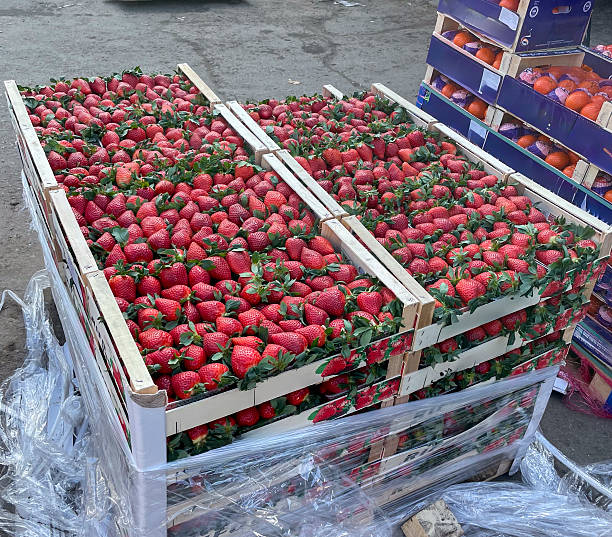
Bulk product sourcing in Nigeria involves finding suppliers, manufacturers, wholesalers, or distributors that can provide large quantities of products at suitable prices. It is commonly used by retailers, distributors, businesses, contractors, and entrepreneurs who need inventory for resale or business operations.
Buying in bulk can help businesses negotiate better prices, maintain stock levels, and reduce the need to make frequent purchases.
What Products Can Be Sourced in Bulk?
Depending on the type of business, bulk products may include:
- Food and beverages.
- Clothing and footwear.
- Beauty products.
- Electronics.
- Household goods.
- Agricultural products.
- Building materials.
- Industrial supplies.
- Packaging materials.
- Office supplies.
- General merchandise.
The right supplier depends on the product, quantity, quality requirements, and location.
How Bulk Product Sourcing Works
A typical sourcing process involves:
Identify Products → Find Suppliers → Compare Prices → Verify Supplier → Confirm Order → Make Payment → Arrange Pickup → Deliver Products
Businesses should establish their requirements before contacting suppliers so they can compare quotations more effectively.
Step 1: Determine What You Need
Create a detailed list of the products you want to purchase.
Include:
- Product name.
- Brand.
- Model or specification.
- Quantity.
- Preferred quality.
- Packaging requirements.
- Target price.
- Required delivery location.
Clear specifications make it easier to receive accurate quotations.
Step 2: Find Wholesale Suppliers
Look for suppliers or manufacturers that regularly handle bulk orders.
When evaluating a supplier, consider:
- Product availability.
- Wholesale price.
- Minimum order quantity.
- Product quality.
- Supplier experience.
- Location.
- Payment terms.
- Pickup or delivery options.
For large purchases, comparing multiple suppliers can help you identify a suitable deal.
Step 3: Compare Wholesale Prices
The cheapest quotation is not always the best option.
Consider the total cost, including:
- Product price.
- Packaging.
- Loading.
- Transportation.
- Delivery charges.
- Other applicable costs.
A supplier with a slightly higher product price may still be more affordable if the supplier is closer to your delivery location or offers better delivery terms.
Step 4: Verify the Supplier
Supplier verification is particularly important when purchasing large quantities.
Before making payment, confirm:
- Business identity.
- Physical location.
- Product availability.
- Quantity available.
- Product specifications.
- Invoice or quotation.
- Payment details.
For expensive orders, inspecting the products or using a trusted representative to verify them can provide additional protection.
Step 5: Arrange Payment
Once the supplier and order have been confirmed, arrange payment according to the agreed terms.
Keep copies of:
- Quotations.
- Invoices.
- Receipts.
- Payment confirmations.
- Purchase agreements.
These records can be useful for accounting and resolving disputes.
Step 6: Arrange Bulk Transportation
After purchasing the products, transportation must be arranged from the supplier to your warehouse, shop, customer, or other destination.
The appropriate vehicle depends on the size and nature of the order.
For example:
- Small bulk orders may use a van.
- Medium shipments may require a larger commercial vehicle.
- Large orders may require a truck.
Transportation costs depend on the distance, cargo size, weight, vehicle, and delivery requirements.
Bulk Product Sourcing Across Nigeria
Businesses can source products from different parts of the country depending on where suppliers and markets are located.
For example, a business may purchase products in Lagos and distribute them to customers in Abuja, Ibadan, Benin City, Port Harcourt, Kano, or other locations.
When sourcing from another state, transportation should be included in the overall purchasing budget.
Bulk Product Sourcing With Travo.ng
Travo.ng can help coordinate transportation after you have sourced products from a Nigerian supplier.
You can provide:
- Supplier or pickup address.
- Product description.
- Quantity.
- Approximate weight or volume.
- Delivery address.
- Vehicle requirements.
- Preferred delivery date.
- Recipient’s contact details.
This can be useful when your supplier sells the products but does not provide transportation to your warehouse or business location.
Tips for Successful Bulk Sourcing
Know Your Required Quantity
Avoid ordering significantly more stock than your business can sell or store.
Check Product Quality
If possible, inspect samples or verify product specifications before placing a large order.
Calculate the Total Cost
Consider both the purchase price and transportation costs before choosing a supplier.
Have Adequate Storage
Make sure you have enough warehouse or shop space for the products before they arrive.
Plan Transportation Early
Large orders may require specific vehicles and loading arrangements. Organising transportation in advance can reduce delays.
Final Thoughts
Bulk product sourcing in Nigeria can help businesses secure inventory at competitive prices, but successful sourcing requires more than finding a cheap supplier.
Businesses should compare suppliers, verify product quality, confirm quantities, calculate the full cost, and plan transportation before completing a large purchase.
With the right supplier and a reliable delivery arrangement, businesses can source products in bulk and move them efficiently from suppliers to warehouses, shops, and customers across Nigeria.
