


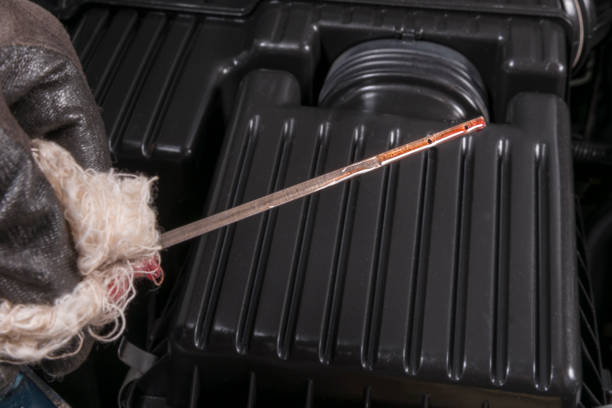
An oil dipstick is a metal rod used to check the engine oil level and condition in your car. Reading it correctly helps you know if your engine has enough oil to run safely and avoid damage.
Where the Dipstick Is Located
In most cars:
- It’s under the bonnet (hood)
- Has a yellow or orange handle
- Usually labeled “OIL” or “ENGINE OIL”
Step-by-Step: How to Read Oil Dipstick
1. Park the Car on Level Ground
- Ensure the car is not tilted
- Switch off the engine
2. Wait a Few Minutes
- Let oil settle back into the engine
- Best wait time: 5–10 minutes after switching off
3. Pull Out the Dipstick
- Grip the handle and pull it out completely
4. Wipe It Clean
- Use a clean cloth or tissue
- This removes old oil for an accurate reading
5. Reinsert Fully
- Push the dipstick all the way back in
- Then pull it out again
6. Check the Oil Level
Look at the tip of the dipstick:
- You will see markings like:
- MIN / LOW
- MAX / FULL
👉 Oil level should be between MIN and MAX
Understanding the Oil Level
✔️ Normal Level
- Oil is between MIN and MAX
- Engine is safe to run
⚠️ Low Oil Level
- Oil is near or below MIN
- Add engine oil immediately
- Risk of engine damage if ignored
❌ Overfilled Oil
- Oil above MAX
- Can cause:
- Engine smoke
- Pressure buildup
- Poor performance
Checking Oil Condition
Besides level, also check oil quality:
Good Oil
- Amber or light brown
- Smooth texture
Bad Oil
- Very dark or black
- Thick or gritty
- Smells burnt
👉 If bad, you may need an oil change, not just topping up.
How Often You Should Check Oil
- Every 1–2 weeks (recommended)
- Before long trips
- Before heavy traffic driving in cities like Lagos
- After long-distance travel
Common Mistakes to Avoid
- Checking engine oil while engine is hot
- Not wiping dipstick before reading
- Ignoring low oil warning
- Overfilling engine oil
- Not checking regularly
Why Oil Level Is Important
Engine oil:
- Lubricates engine parts
- Reduces friction and heat
- Prevents engine wear
- Improves fuel efficiency
Low oil can lead to serious engine damage or engine seizure.
For Fleet & Logistics Vehicles
For transport companies and delivery vehicles in Nigeria:
- Daily oil checks are important
- Prevents breakdown during trips
- Reduces expensive engine repairs
- Keeps vehicles road-ready
Conclusion
Reading an oil dipstick is a simple but very important car maintenance skill. Checking your engine oil regularly helps prevent breakdowns, saves money, and extends engine life—especially in Nigeria’s demanding driving conditions.
