


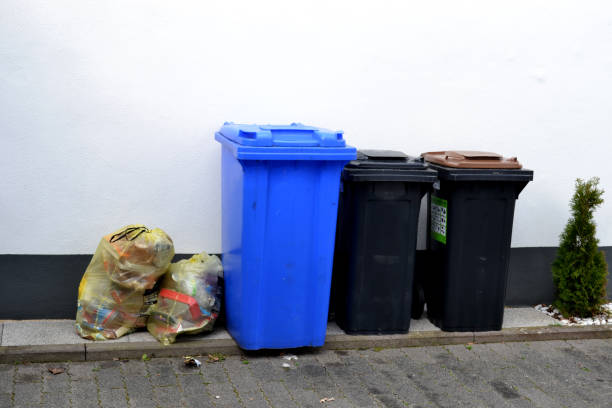
A clear-out can produce several types of waste at once: cardboard boxes, glass jars, old kitchen knives and leftover white spirit. They should not all go into the same bin. If you are searching for Basingstoke household waste services, start with the item, its condition and the official local acceptance rules.
This guide covers household disposal preparation in Basingstoke and explains common questions about solvents and recycling. It is not a claim that Travo operates local household collections in Hampshire. Businesses must use the appropriate trade waste route rather than assuming household facilities accept commercial loads.
Basingstoke household waste recycling: check before travelling
Hampshire County Council’s HWRC booking page states that appointments are required. Check the current process, vehicle details, restrictions and any permit requirements before loading a car, van or trailer. Use the official booking confirmation rather than relying on an old opening-hours listing.
Identify each material separately and check acceptance before a visit. A recycling centre may have different routes for ordinary recyclables, chemicals, electrical items and DIY waste. If an item is not clearly described in the guidance, ask the authority before transporting it.
White spirit disposal: keep it out of drains and ordinary recycling
White spirit is a solvent. Do not pour leftover product into a sink, toilet, surface-water drain or onto the ground. Do not mix it with other chemicals, burn it or deliberately evaporate it as a disposal method. Keep it contained and follow the product’s storage and disposal instructions while arranging an accepted route.
Hampshire’s household chemical guidance lists white spirit among hazardous household materials. It identifies Basingstoke as an accepting site, requires a suitable sealed container and currently states a maximum of five litres per household per month. Recheck limits and acceptance before travelling.
Tell staff whether the waste is unused solvent, used solvent with paint residues or another mixture. Keep the original label where possible. An unknown liquid or leaking container requires advice before transport; do not decant chemicals into food or drink bottles.
How to dispose of knives without creating a hidden hazard
Old kitchen knives are sharp metal objects, not ordinary mixed recyclables. Do not leave them loose in a recycling bin, sack or box that someone may handle without knowing what is inside. Ask your local recycling centre about acceptance and its preparation instructions before taking them.
Recycle Now’s cutlery guidance identifies scrap-metal routes at household recycling centres for unusable metal cutlery. For knives, confirm the centre’s specific instructions and protect edges during handling and transport. Do not assume a police station or charity accepts every knife; contact the organisation first.
If an item is involved in a suspected offence or is unsafe to handle, obtain appropriate local advice instead of treating it as a routine household recycling task. Medical needles and other clinical sharps need a different route entirely.
Can you put glass in a recycling bin?
Often you can recycle accepted glass bottles and jars, but the container used depends on your local collection system. Check the postcode-based service instructions. “Glass” also includes drinking glasses, mirrors, cookware and light bulbs, which should not be assumed suitable for bottle-and-jar recycling.
Recycle Now’s glass guide distinguishes bottles and jars from these incompatible items. Empty accepted bottles and jars and follow local preparation instructions. Do not add chemical containers with hazardous residues to ordinary recycling without advice.
For broken glass, avoid handling fragments with bare hands and ask the collector about safe containment and acceptance. A broken drinking glass is still not a glass bottle simply because both materials look similar.
Cardboard waste recycling: keep useful material clean
Clean cardboard boxes can have a recycling route, but food, dirt or paint contamination changes the picture. Recycle Now’s cardboard guidance recommends removing incompatible inserts from corrugated boxes and excludes contaminated card from its ordinary recycling list.
Flatten boxes where required by your collection service and store them so they stay dry. Check rules for oversized quantities instead of leaving material beside bins. Packaging from a business should be included in the business waste arrangement, not shifted into a household collection.
| Item | First check |
|---|---|
| White spirit | Accepted chemical route, container condition and quantity limit |
| Kitchen knife | Specific scrap-metal acceptance and edge protection instructions |
| Glass bottle or jar | Local container and preparation rules |
| Mirror, cookware or bulb | Separate item-specific disposal route |
| Cardboard box | Cleanliness, inserts, size and permitted collection quantity |
Plan the visit or collection efficiently
Write a material list before booking. Separate accepted streams at home so you do not need to sort sharp or leaking materials in a busy public facility. Confirm who will safely unload items, whether the vehicle needs a permit and what to do if staff refuse a material.
For commercial collections, compare complete costs and check carrier registration. See our waste disposal company guide for contract questions. For clinical sharps, use healthcare-specific advice rather than a general household recycling assumption.
Travo support for Nigerian premises
For Basingstoke, use the official Hampshire and local collection channels. Travo lists rubbish collection and skips in its Nigerian catalogue; contact the team to confirm scope for a Nigerian enquiry. Chemicals must be disclosed for specialist assessment.
Our Lagos recycling guide and chemical waste guide provide related preparation topics. Disposal decisions should follow the rules where the waste actually exists.
