


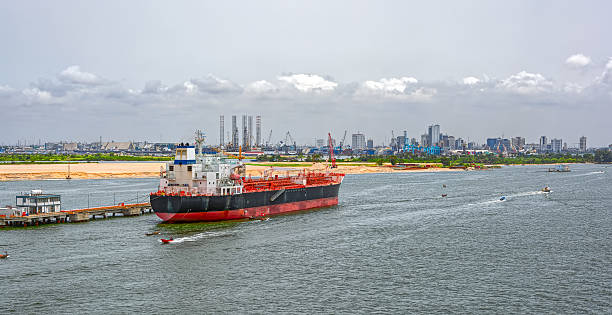
Tin Can Island Port remains one of Nigeria’s busiest cargo entry points, handling a large share of containerized imports into Lagos alongside Apapa Port. In 2026, the port is still operating under a familiar pattern: ongoing reforms on one side, but congestion pressure and operational delays on the other.
For importers, freight forwarders, and logistics operators, Tin Can is less about “smooth shipping” and more about timing, clearance efficiency, and truck movement coordination.
Current operating situation at Tin Can Port
Tin Can Port continues to experience:
- fluctuating container clearance speed
- intermittent congestion at access gates
- truck scheduling pressure through the e-call-up system
- delays linked to customs inspection and documentation flow
- occasional terminal bottlenecks during peak import periods
Even with digitisation efforts and automation at access gates, real-world cargo movement still depends heavily on road access and truck availability.
Why Tin Can Port is still under pressure
1. High import volume concentration in Lagos
Tin Can sits within the Lagos Port Complex, which still handles a large percentage of Nigeria’s maritime trade. This creates:
- constant vessel arrivals
- heavy container throughput
- pressure on yard space and equipment
Lagos ports together handle over half of Nigeria’s maritime trade, making congestion structural rather than occasional.
2. Truck and haulage coordination challenges
Even when containers are cleared:
- truck availability becomes a bottleneck
- e-call-up scheduling can cause delays if poorly timed
- queues form around port access corridors
This means clearance does not automatically equal exit.
3. Customs and documentation processing
Importers still experience delays from:
- HS code classification checks
- document verification
- physical examination of selected containers
- system downtime or processing backlogs
These steps vary by shipment type and can affect turnaround time significantly.
4. Infrastructure and yard capacity limits
Tin Can Port was originally designed in the 1970s and later expanded, but:
- container volume has grown faster than infrastructure upgrades
- yard space can become saturated during peak periods
- equipment turnaround affects vessel discharge speed
What is improving at Tin Can Port
Despite the challenges, there are operational improvements underway:
1. Access gate automation
Recent upgrades aim to:
- reduce manual entry delays
- improve truck verification speed
- reduce congestion at gate points
This has helped streamline entry flow compared to earlier years.
2. Port modernisation and investment plans
The Nigerian Ports Authority is pushing broader upgrades across Apapa and Tin Can, including:
- infrastructure rehabilitation
- digitised cargo handling systems
- improved quay and yard capacity
- channel and facility upgrades to support larger vessels
These changes are long-term but expected to improve efficiency gradually.
3. Increased enforcement on logistics order
Authorities continue to enforce:
- truck staging rules
- call-up system compliance
- anti-gridlock measures around port corridors
The goal is to reduce roadside congestion caused by uncontrolled truck movement.
Real impact on importers using Tin Can Port
1. Unpredictable clearance timelines
Even similar shipments may clear at different speeds depending on:
- inspection requirement
- terminal workload
- documentation readiness
2. Higher logistics costs
Delays lead to:
- demurrage charges
- storage fees
- increased haulage costs
- idle truck waiting time
3. Supply chain planning pressure
Businesses now operate with:
- longer buffer timelines
- flexible delivery expectations
- higher contingency pricing
4. Inventory planning challenges
Importers often adjust by:
- splitting shipments
- increasing stock buffers
- planning for delayed arrivals
How Tin Can compares in the Lagos port system
- Apapa Port: older, often more congested due to cargo density
- Tin Can Port: slightly faster in some cycles but still heavily pressured
- Lekki Deep Sea Port: emerging alternative with deeper infrastructure and modern systems
Despite alternatives, Tin Can remains a core entry point due to established trade routes and terminal capacity.
Where Travo.ng fits in real logistics operations
Port delays don’t end at clearance—they affect everything around movement
Tin Can Port operations don’t only impact cargo—they also affect people and coordination, including:
- airport pickup for import managers and clearing agents
- movement of logistics teams between port and warehouses
- hotel arrangements for international shipping partners
- urgent transport coordination during cargo arrival windows
- business travel linked to import sourcing and inspection
How Travo.ng supports import operations
Travo.ng helps businesses manage the operational side of port logistics by coordinating:
- airport pickup and executive transport services
- movement between Tin Can Port, warehouses, and business locations
- hotel booking for international suppliers and partners
- structured logistics support for import teams
- time-sensitive mobility planning during cargo clearance windows
While Tin Can Port handles cargo flow, Travo.ng focuses on the human and operational movement that keeps import businesses functioning during delays and congestion cycles.
