


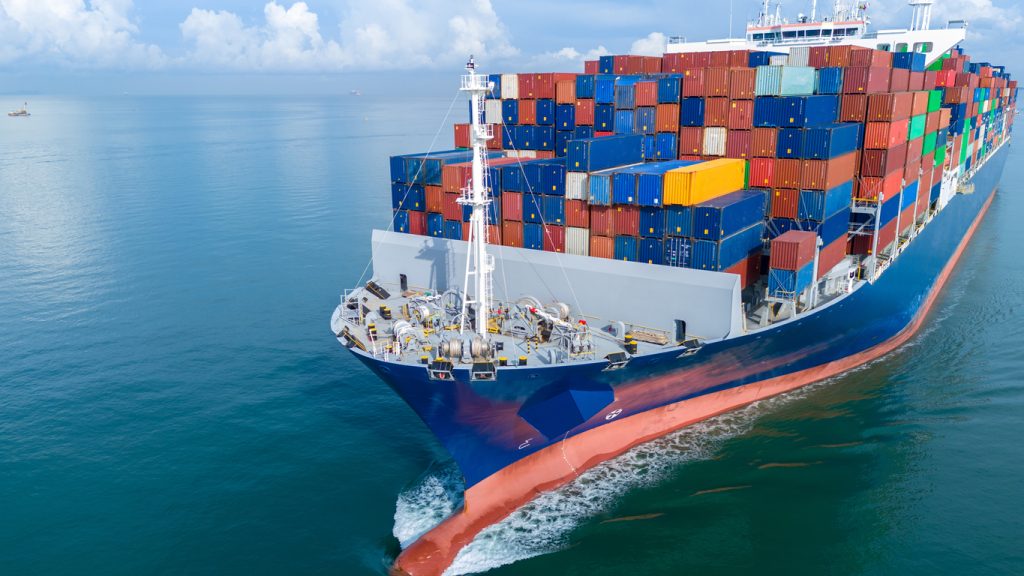
Terminal Handling Charges (THC) in Nigeria imports are fees charged for handling cargo inside the port terminal when goods arrive in Nigeria through seaports like Apapa, Tin Can Island, and Lekki Deep Sea Port.
They are one of the major “hidden” port costs importers pay when clearing goods.
What is THC in Nigeria Imports?
THC (Terminal Handling Charge) is the fee charged for:
- Unloading containers from vessels
- Moving containers within the terminal yard
- Using cranes and port equipment
- Stacking and temporary storage inside the port
- Loading containers for release or delivery
In simple terms:
It is the cost of physically handling your container inside the port.
Who Pays THC in Nigeria?
In Nigeria imports:
- Terminal operators set the charge
- Shipping lines collect it from importers
- Freight forwarders include it in clearing bills
So even though it is a terminal service, importers ultimately pay it.
Typical THC Charges in Nigeria (Imports)
THC varies by port, container size, and terminal.
Approximate Nigeria range (recent tariffs):
- 20ft container: ₦150,000 – ₦350,000
- 40ft container: ₦250,000 – ₦525,000
For example, Apapa terminal handling alone can range around ₦350,000 for 20ft and ₦525,000 for 40ft containers in Nigeria import operations.
Some terminals also structure THC per container as part of a full bundle including delivery and handling.
What THC Covers (Import Breakdown)
THC usually includes:
- Ship-to-shore crane lifting
- Yard movement and stacking
- Container discharge operations
- Equipment usage (forklifts, reach stackers, etc.)
- Terminal operational labor
When THC is Paid
For imports into Nigeria:
- Vessel arrives
- Container is discharged into terminal
- THC is applied by terminal
- Importer pays during clearing process
- Cargo is released
Why THC is Important (But Expensive)
THC exists because terminals must cover:
- Heavy equipment cost
- Labour operations
- Port infrastructure maintenance
- Cargo handling systems
But it becomes expensive in Nigeria due to:
- Port congestion (Apapa & Tin Can)
- High import volume
- Multiple handling steps
- Currency and tariff adjustments
THC vs Other Port Charges in Nigeria
| Charge Type | Who Charges | Meaning |
|---|---|---|
| THC | Terminal operator | Handling cargo inside port |
| Demurrage | Shipping line | Container stays too long in port |
| Detention | Shipping line | Container not returned after pickup |
| Storage | Terminal | Cargo stays too long in yard |
How to Reduce THC Impact (Importers in Nigeria)
You cannot fully avoid THC, but you can reduce total cost impact by:
1. Faster clearance
Avoid delays that increase terminal time.
2. Early documentation
Prepare Form M and PAAR early.
3. Quick evacuation
Remove cargo immediately after release.
4. Proper logistics coordination
Reduce delays between clearing and pickup.
Key Insight
THC is not optional in Nigeria imports—it is a standard port service fee, but it becomes a bigger burden when goods are delayed at the terminal.
That is why import efficiency matters more than trying to avoid the fee itself.
Final Summary
THC charges in Nigeria imports are fees for handling cargo inside the port. They are paid per container and typically range from ₦150k–₦525k depending on size and terminal. The key to controlling cost is not avoiding THC, but reducing delays that keep cargo inside the terminal longer than necessary.
Efficient logistics planning—like coordinated clearance, transport, and timing—helps importers avoid extra hidden costs.
(Structured coordination platforms like Travo (Travo.ng) focus on timing and movement efficiency that indirectly reduces exposure to port delays and extra charges.)
