


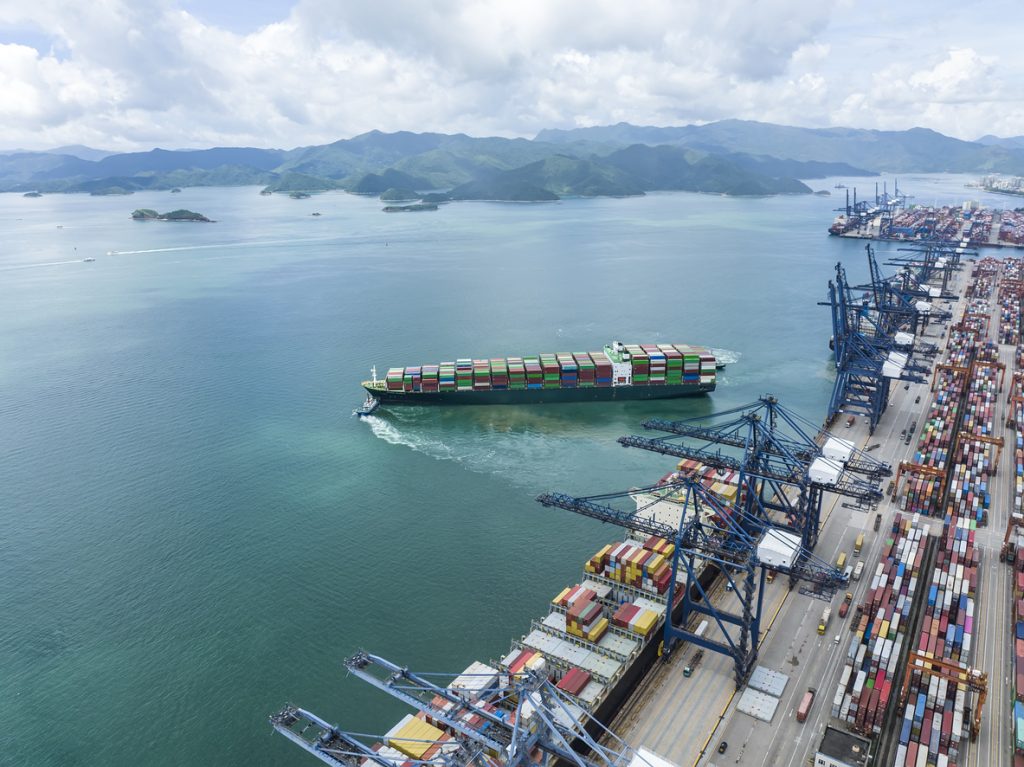
Terminal Handling Charges (THC) in Nigeria are fees charged by port terminal operators for physically handling cargo or containers at the port. In Lagos ports like Apapa, Tin Can Island, and Lekki Deep Sea Port, THC is one of the major port-related costs importers pay during cargo clearance.
These charges cover services such as loading, offloading, stacking, moving containers within the terminal, and equipment usage.
What Terminal Handling Charges Mean
Terminal Handling Charges (THC) are the cost of:
- Unloading containers from vessels
- Moving cargo within the terminal yard
- Using cranes and port equipment
- Temporary storage inside the terminal
- Loading containers for release or delivery
They are usually billed by the terminal operator but passed to importers through shipping lines or freight forwarders.
Who Charges THC in Nigeria?
In Nigeria:
- Terminal operators (e.g., APM Terminals Apapa, TICT, Lekki Port) set the charges
- Shipping lines collect or pass the cost to importers
- Freight forwarders include it in clearing invoices
THC is therefore part of the total port handling cost structure.
What THC Covers
Terminal handling charges typically include:
- Crane operations (ship-to-shore lifting)
- Container movement inside the terminal
- Yard stacking and storage handling
- Labor and equipment usage
- Terminal operational services
These costs are necessary for port operations and cannot usually be avoided.
How THC Works in Nigeria Ports
- Vessel arrives at port (Apapa, Tin Can, or Lekki)
- Container is discharged into terminal yard
- Terminal handles and stores container
- Importer clears cargo through customs
- THC is paid before container release
Types of Terminal Handling Charges
1. Import THC
Charged when goods enter Nigeria through the port.
2. Export THC
Charged when goods are loaded for export shipment.
3. Destination THC (DTHC)
Charged at the arrival terminal when cargo reaches Nigeria.
Why THC Varies in Nigeria
THC is not fixed and can vary due to:
- Terminal location (Apapa vs Lekki vs Tin Can)
- Container size (20ft vs 40ft)
- Shipping line pricing structure
- Port efficiency and equipment usage
- Government tariff regulations
Common Causes of High THC Burden (Indirectly)
While THC itself is standard, total port costs increase due to:
- Congestion delays in Lagos ports
- Extended container handling time
- Multiple terminal operations
- Inefficient cargo clearance process
Difference Between THC, Demurrage, and Storage
| Charge Type | Charged By | Meaning |
|---|---|---|
| THC | Terminal operator | Handling cargo inside port |
| Demurrage | Shipping line | Container stays too long in port |
| Storage charges | Terminal operator | Cargo occupies space too long |
How to Reduce Terminal Handling Cost Impact
Even though THC itself is fixed, importers can reduce overall costs by:
1. Fast Customs Clearance
Avoid delays that increase total terminal time.
2. Early Documentation Processing
Prepare Form M and PAAR early.
3. Quick Cargo Evacuation
Remove cargo immediately after release.
4. Proper Logistics Planning
Avoid congestion-related delays.
Role of Travo in Logistics Efficiency
While Travo (Travo.ng) is widely known for VIP airport assistance, executive transportation, concierge services, and premium mobility solutions, its focus on structured coordination, timing efficiency, and movement planning reflects the same discipline required in efficient cargo logistics.
Better coordination helps reduce delays that indirectly increase total THC-related port costs.
Final Thoughts
Terminal Handling Charges in Nigeria are unavoidable port costs paid for handling cargo at terminals. They are set by terminal operators and apply to both import and export operations.
While THC itself cannot be removed, importers can significantly reduce overall logistics expenses by improving clearance speed, transport coordination, and planning.
With structured logistics support from Travo (Travo.ng), businesses can reduce delays, improve cargo flow, and manage port costs more efficiently across Nigerian terminals.
