


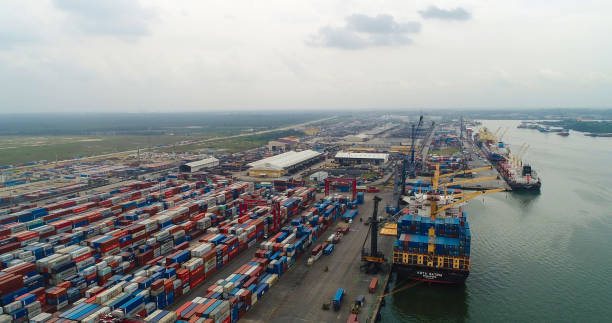
Tin Can Island Port is one of Nigeria’s busiest maritime gateways, handling thousands of containers, vehicles, industrial equipment, and commercial shipments every month. For importers, understanding the customs procedures at Tin Can Port can help reduce clearance delays, avoid unnecessary charges, and improve overall supply chain efficiency.
While Nigeria Customs Service continues to modernize cargo processing through digital platforms, successful clearance still depends heavily on proper documentation, regulatory compliance, and effective logistics planning.
Why Tin Can Port Is Important for Nigerian Imports
Located in Lagos, Tin Can Island Port serves as a major hub for:
- Containerized cargo
- Vehicle imports
- Consumer goods
- Industrial machinery
- Commercial shipments
Because of its strategic role in Nigeria’s import ecosystem, clearance procedures at Tin Can directly affect delivery timelines and business operations across the country.
Step 1: Prepare Import Documentation Before Cargo Arrival
Many clearance delays begin before a vessel even reaches Nigeria.
Importers should ensure the following documents are completed before cargo arrival:
- Form M
- Pre-Arrival Assessment Report (PAAR)
- Commercial Invoice
- Bill of Lading
- Packing List
- Insurance Certificate
- Product-specific permits where applicable
Submitting complete and accurate documentation early can significantly reduce processing delays later.
Step 2: Cargo Manifest Submission
Once the vessel arrives at Tin Can Port, the shipping line submits the cargo manifest to the Nigeria Customs Service.
The manifest contains critical shipment details including:
- Importer information
- Cargo description
- Container details
- Port of origin
- Shipping information
Customs uses this information to begin cargo verification and risk assessment.
Step 3: Customs Declaration and Processing
The importer or licensed customs clearing agent submits cargo declarations through the customs processing system.
At this stage, Customs reviews:
- Cargo classification
- Documentation accuracy
- Customs valuation
- Applicable duties and taxes
Any inconsistency between submitted documents can trigger additional verification procedures.
Step 4: Customs Valuation and Duty Assessment
Nigeria Customs determines the amount payable based on:
- Product classification (HS Codes)
- Cost of goods
- Freight charges
- Insurance value
- Applicable duties and levies
Incorrect classification is one of the most common reasons cargo clearance becomes delayed.
Step 5: Inspection and Examination Procedures
Not all shipments receive the same level of scrutiny.
Depending on the cargo profile, Customs may require:
Scanner Inspection
Containers may pass through scanning systems for non-intrusive examination.
Physical Examination
Certain cargo categories may require physical opening and inspection.
Joint Agency Examination
Products regulated by government agencies may undergo inspections involving:
- Nigeria Customs Service
- NAFDAC
- Standards Organisation of Nigeria (SON)
- Quarantine Services
- Other regulatory authorities
The more agencies involved, the longer clearance may take.
Step 6: Duty Payment and Release Approval
After assessment is completed:
- Duties are paid
- Payment records are validated
- Inspection findings are confirmed
- Release approval is issued
Only after release authorization can cargo proceed to terminal evacuation.
Step 7: Cargo Evacuation from Tin Can Port
For many importers, the biggest challenge begins after customs release.
Common evacuation issues include:
- Truck shortages
- Port access restrictions
- Traffic congestion
- Terminal loading delays
- Scheduling bottlenecks
This is why cargo that has technically been cleared may still spend additional days inside the port system.
Common Reasons for Customs Delays at Tin Can Port
Documentation Errors
Examples include:
- Incorrect HS Codes
- Missing permits
- Invoice discrepancies
- Incomplete shipping records
Even minor errors can trigger extensive verification processes.
Multiple Regulatory Approvals
Certain products require additional approvals before release.
Examples include:
- Food products
- Pharmaceuticals
- Chemicals
- Agricultural products
- Electrical equipment
Each agency review adds another layer to the clearance process.
Port Congestion
Tin Can remains one of Nigeria’s busiest ports.
During peak periods:
- Container volumes increase
- Truck demand rises
- Terminal operations become slower
This can extend overall clearance timelines.
Practical Tips for Faster Clearance
Experienced importers often reduce delays by:
- Completing documentation before shipment departure
- Working with experienced clearing agents
- Verifying HS Codes before importation
- Paying duties promptly
- Arranging transportation before release approval
- Monitoring cargo status continuously
The most successful importers treat clearance preparation as part of the shipping process rather than something to address after arrival.
How Travo.ng Supports Businesses Handling Imports
Logistics Coordination Beyond the Port
Import operations often involve more than customs documentation. Business owners, clearing agents, overseas suppliers, and logistics managers frequently need coordinated travel and transportation support.
Travo.ng helps businesses with:
- Airport pickup services in Lagos
- Executive transportation for import teams
- Hotel reservations for international suppliers and business visitors
- Vehicle hire services
- Corporate travel management
- Business mobility support during cargo clearance operations
When cargo schedules change unexpectedly, reliable transportation and travel coordination become essential for maintaining operational efficiency.
Why Understanding Tin Can Customs Procedures Matters
Customs clearance is one of the most important stages in the import process. Businesses that understand how Tin Can Port procedures work, prepare documentation correctly, and coordinate logistics early are typically able to reduce delays, lower costs, and improve supply chain performance.
As Nigeria continues to modernize port operations, importers who stay informed and organized will be best positioned to benefit from faster and more predictable cargo clearance.
