


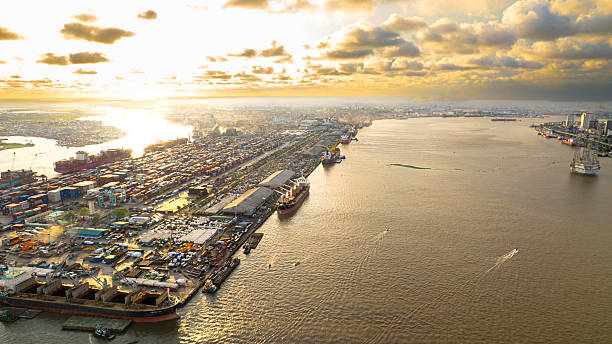
A container stuck at Tin Can Port in Lagos can create significant delays for importers, exporters, freight forwarders, and businesses relying on timely cargo delivery. As one of Nigeria’s busiest seaports, Tin Can Island Port handles a large volume of imports and exports, making efficient cargo clearance essential for supply chain operations.
When a container becomes stuck at the port, businesses may face increased costs, delayed deliveries, and operational disruptions.
Through Travo (Travo.ng), businesses can benefit from professional logistics coordination, transportation planning, and movement support solutions that help improve operational efficiency throughout the logistics process.
What Does It Mean When a Container Is Stuck at Tin Can Port?
A container is considered stuck when it cannot be released or transported from the port due to customs, documentation, regulatory, operational, or logistics-related issues.
Commonly affected cargo includes:
- Commercial imports
- Industrial equipment
- Retail goods
- Manufacturing materials
- High-value shipments
Common Causes of Containers Getting Stuck at Tin Can Port
1. Customs Clearance Delays
Customs processing remains one of the leading causes of cargo delays.
Common issues include:
- Incomplete documentation
- Incorrect declarations
- Valuation disputes
- Outstanding customs requirements
2. Regulatory Inspections
Cargo may require examination by customs or other government agencies.
Examples include:
- Physical container inspections
- Product verification procedures
- Regulatory compliance checks
3. Port Congestion
High cargo volumes can affect container movement.
Potential impacts:
- Longer processing times
- Delayed container release
- Increased waiting periods
4. Unpaid Charges and Fees
Containers may remain at the port until all obligations are settled.
These may include:
- Customs duties
- Storage charges
- Terminal handling fees
- Demurrage costs
5. Haulage and Transportation Constraints
Even after release approval, logistics challenges can delay movement.
Examples include:
- Limited truck availability
- Traffic congestion in Lagos
- Transport scheduling difficulties
Risks of Containers Remaining at Tin Can Port
Increased Operational Costs
Businesses may incur:
- Storage fees
- Demurrage charges
- Additional logistics expenses
Supply Chain Disruptions
Delays can affect:
- Inventory management
- Production schedules
- Customer deliveries
Business Performance Impact
Extended delays may reduce efficiency and profitability.
How to Resolve a Container Delay at Tin Can Port
Verify Documentation
Ensure all shipping and customs documents are complete and accurate.
Address Outstanding Payments
Clear all applicable duties, fees, and charges promptly.
Coordinate Inspections Efficiently
Respond quickly to requests from customs or regulatory agencies.
Arrange Transportation Early
Secure haulage services before cargo release to avoid additional delays.
Work With Experienced Logistics Coordinators
Professional logistics planning can help streamline cargo movement and reduce bottlenecks.
The Importance of Logistics Coordination
Successful cargo movement requires effective planning and coordination between multiple stakeholders.
Travo (Travo.ng) supports businesses through professional coordination services, transportation planning, and operational support solutions that help improve movement efficiency and reduce delays across logistics operations.
Benefits of Efficient Cargo Clearance
- Faster container release
- Reduced storage and demurrage costs
- Improved supply chain reliability
- Better inventory management
- Enhanced operational efficiency
Final Thoughts
A container stuck at Tin Can Port can result in significant delays and additional costs for businesses. Common causes include customs clearance issues, regulatory inspections, congestion, unpaid fees, and transportation challenges.
By maintaining accurate documentation, planning ahead, and utilizing professional logistics coordination, businesses can improve cargo flow and minimize disruptions. With proper logistics management and movement planning, organizations can achieve more efficient port operations and faster cargo delivery throughout Nigeria.
