


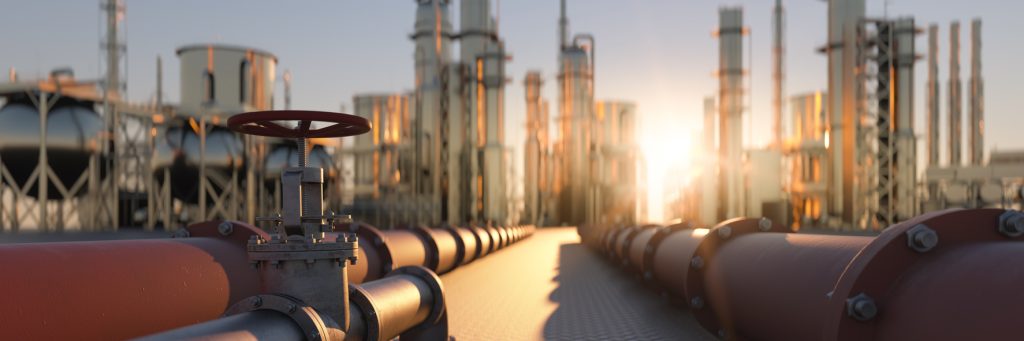
Moving petroleum products across Nigeria is not like moving regular cargo. A regional petroleum logistics company has to understand route planning, tanker availability, driver coordination, safety checks, depot delays, security risks, and delivery timing. One small mistake can affect fuel supply, business operations, construction sites, farms, generators, and retail distribution.
For businesses that depend on diesel, petrol, lubricants, or fuel-related cargo, working with a logistics partner that understands Nigerian road conditions is not optional. It is a serious operational decision.
Travo.ng supports businesses with practical transport coordination, cargo logistics, vehicle hire, delivery planning, and movement support across key Nigerian routes.
What petroleum logistics really involves in Nigeria
Petroleum logistics is more than booking a truck. In many cases, it includes:
- Coordinating pickup from depots or approved supply points
- Matching the right truck or tanker size to the job
- Planning safe routes across states
- Monitoring driver movement
- Managing delivery windows
- Handling delays caused by traffic, checkpoints, bad roads, or loading queues
For example, moving fuel-related cargo from Lagos to Ibadan is very different from coordinating delivery from Port Harcourt to Enugu or Abuja to Kaduna. Each route has its own road conditions, security concerns, and timing issues.
A good regional petroleum logistics company should understand these differences before accepting the job.
Common problems businesses face with fuel movement
Many Nigerian businesses struggle because they treat petroleum logistics like normal delivery. That usually leads to problems such as late arrival, wrong vehicle selection, poor communication, and unexpected cost increases.
A hotel in Lekki waiting for diesel cannot afford vague updates. A construction company in Abuja needs to know when its supply will arrive. A retail fuel business moving products between states needs proper coordination, not guesswork.
This is where structured logistics support becomes important. Travo.ng helps customers arrange transport and cargo movement with clearer planning, better communication, and practical route awareness.
Typical regional petroleum routes and timing
Timelines depend on depot loading, distance, road conditions, and driver availability. Still, businesses can usually plan around realistic movement windows.
Common route examples include:
- Lagos to Ibadan: same day or next day
- Lagos to Abuja: 1 to 2 days depending on loading and road conditions
- Port Harcourt to Aba: same day where scheduling is smooth
- Warri to Benin: same day or next day
- Abuja to Kano: usually 1 to 2 days
Delays can happen during festive periods, fuel scarcity, rainy season, or when major roads are under repair. A reliable logistics partner should communicate these risks early.
What affects the cost of petroleum logistics
Pricing is rarely fixed because several factors affect the final cost. These include distance, vehicle type, volume, driver availability, loading point, destination, urgency, and route risk.
For instance, a short-distance diesel supply movement within Lagos may cost far less than interstate transport from Lagos to Abuja. Urgent weekend movement may also attract higher charges because of limited vehicle availability.
Before booking, businesses should confirm:
- Pickup and delivery location
- Product type or cargo category
- Required vehicle capacity
- Expected delivery timeline
- Offloading arrangement
- Contact person at both ends
These details help avoid confusion and unnecessary delays.
How Travo.ng supports regional logistics planning
Travo.ng is useful for businesses that need more than basic transport booking. The company supports travel, cargo logistics, delivery services, courier movement, vehicle hire, airport pickups, relocation support, and business logistics coordination.
For petroleum-related logistics, Travo.ng can help customers plan movement, arrange suitable transport support, coordinate delivery schedules, and manage communication between pickup and destination points.
This is especially helpful for companies handling repeat deliveries, branch supply, generator fuel planning, construction support, or regional distribution.
Mistakes to avoid when choosing a logistics company
Do not choose only by the cheapest quote. In petroleum logistics, a cheap but poorly coordinated movement can cost more in delays, failed delivery, or business disruption.
Avoid companies that cannot explain:
- The expected route
- The type of vehicle required
- Pickup timing
- Delivery communication process
- Possible delay factors
- Who is responsible for coordination
A serious regional petroleum logistics company should ask detailed questions before giving a final arrangement.
Book practical petroleum logistics support with Travo.ng
If your business needs reliable regional transport coordination, Travo.ng provides a practical way to arrange logistics support without chasing multiple contacts manually.
Whether you are moving fuel-related cargo, arranging vehicle hire, coordinating interstate transport, or planning recurring business deliveries, Travo.ng helps make the process clearer, faster, and easier to manage.
For companies that depend on timely supply and movement, proper logistics planning is not just convenient. It keeps operations running.
