


Fuel movement in Nigeria is not as simple as loading a tanker and sending it on the road. Anyone who has handled petroleum-related transport, depot coordination, or bulk product movement knows that timing, documentation, route planning, truck availability, and safety all affect the final delivery.
That is why fuel terminal logistics in Nigeria requires proper coordination from the point of loading to the final delivery location. Whether the movement starts from a depot in Lagos, Port Harcourt, Warri, Calabar, or a storage facility serving Abuja and the North, the process needs people who understand how Nigerian roads, terminals, drivers, and delivery schedules work in real life.
What Fuel Terminal Logistics Really Involves
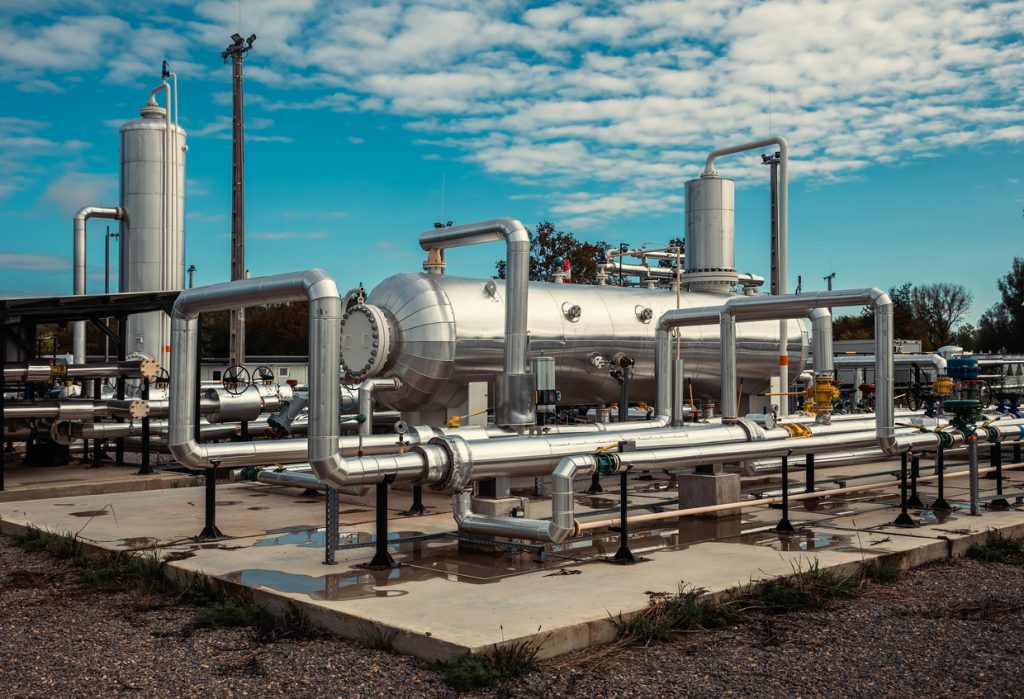
Fuel terminal logistics covers the planning and movement of petroleum products from storage terminals, depots, tank farms, and loading facilities to retail outlets, industrial users, construction sites, farms, factories, and commercial fleets.
A typical operation may involve:
- Confirming depot loading schedules
- Arranging suitable trucks or support vehicles
- Coordinating driver arrival and clearance
- Checking delivery documentation
- Monitoring road movement
- Managing delays at loading bays
- Planning safe offloading at destination
For businesses, the main concern is usually not just transport cost. It is reliability. A delayed diesel delivery can affect generators, production lines, hotel operations, telecom sites, farms, and construction work.
Common Challenges With Fuel Movement Across Nigeria
One major issue is terminal waiting time. A truck may arrive early but still spend hours before loading, especially during peak demand periods or when depot operations are slow.
Road conditions also matter. Moving product from Lagos towards Ibadan, Abuja, Kano, Onitsha, or Port Harcourt requires proper route planning. Bad road sections, checkpoints, tanker restrictions, traffic around Apapa, and unexpected breakdowns can affect delivery time.
There is also the safety side. Fuel logistics is sensitive. Poorly maintained trucks, rushed loading, inexperienced drivers, and weak communication can create serious risks. This is why businesses should not treat fuel movement like ordinary cargo delivery.
Realistic Delivery Expectations
For short-distance fuel-related logistics within Lagos, same-day movement may be possible when loading is confirmed early and traffic is manageable.
For interstate movement, timelines are usually wider:
- Lagos to Ibadan: often same day
- Lagos to Abuja: usually 1 to 2 days
- Lagos to Port Harcourt: about 1 to 2 days
- Lagos to Kano: often 2 to 3 days depending on route conditions
These timelines can change because depot queues, weather, road repairs, or security checks may slow the trip.
How Travo.ng Supports Fuel Terminal Logistics in Nigeria
Travo.ng helps businesses coordinate transport, delivery, cargo movement, and logistics support across Nigeria. For fuel-related operations, the value is in planning and coordination, not just finding a vehicle.
A company may need support arranging movement from a depot, coordinating drivers, planning delivery to multiple locations, or combining fuel logistics with other transport needs. Travo.ng can also support businesses that need courier services, cargo logistics, relocation transport, vehicle hire, airport pickup, or corporate travel bookings alongside their operational logistics.
For example, a facilities company handling diesel supply for multiple sites may need delivery coordination, staff transport, hotel reservations for field teams, and vehicle hire in another city. Handling all these separately often creates delays. A coordinated service provider makes the process smoother.
Mistakes Businesses Should Avoid
Many fuel delivery problems start before the truck moves. Common mistakes include booking transport too late, failing to confirm loading windows, using unsuitable vehicles, ignoring route risks, and not assigning someone to monitor the movement.
Businesses should also avoid choosing logistics support based only on the cheapest quote. With fuel terminal logistics, the cheapest option can become expensive if there is a failed delivery, unsafe handling, or missed operational deadline.
A Practical Way to Plan Fuel Logistics
Before booking, confirm the product volume, pickup terminal, destination, access conditions, delivery deadline, and offloading arrangement. Also check whether the receiving location can handle the truck size and whether someone will be available to receive the delivery.
Travo.ng gives businesses a practical way to plan and coordinate fuel terminal logistics in Nigeria with local understanding of transport, delivery, cargo movement, and business support needs.
For companies that depend on timely movement, proper logistics coordination is not optional. It is the difference between smooth operations and costly disruption.
