


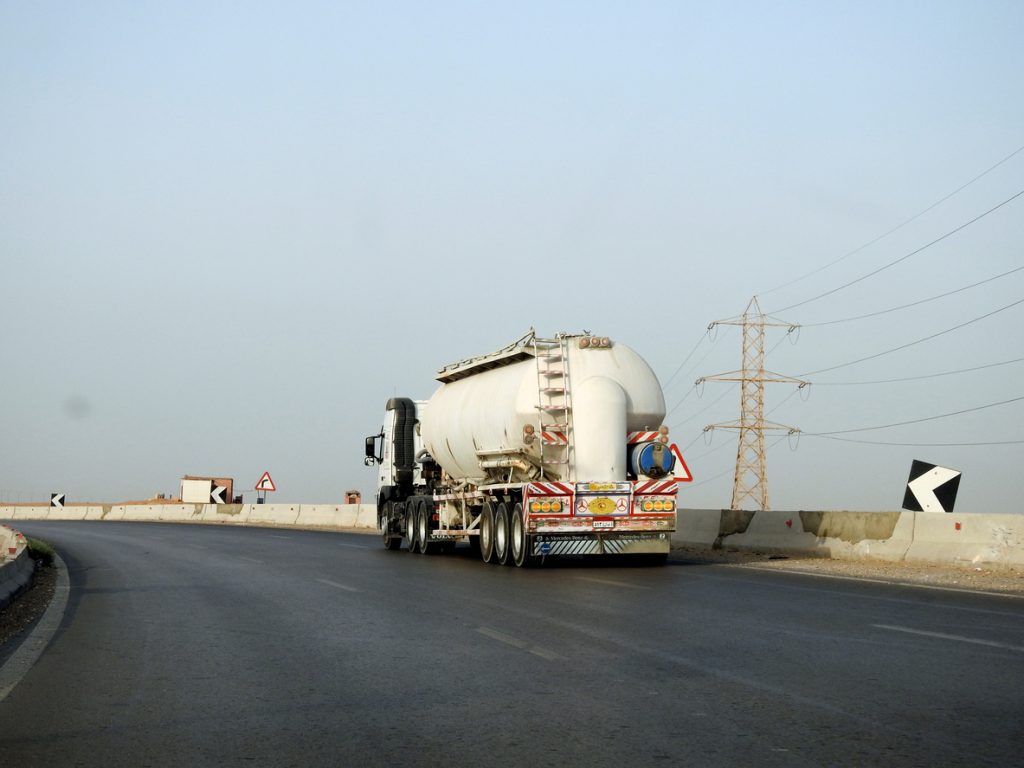
AGO — better known as diesel — remains one of the most important fuels powering Nigeria’s economy.
From manufacturing plants in Ogun State to interstate transport fleets moving between Lagos and Abuja, diesel keeps:
- Trucks running
- Warehouses operating
- Factories producing
- Commercial generators active
- Logistics businesses moving
And as Dangote Refinery increases diesel production and nationwide distribution, AGO haulage operations across Nigeria are expanding rapidly.
But moving diesel at refinery scale is not ordinary transport work.
It involves:
- Tanker fleet coordination
- Interstate logistics
- Depot delivery planning
- Fuel safety compliance
- Driver scheduling
- Industrial transport timing
Because Nigeria still depends heavily on road transportation for fuel movement, AGO haulage companies now play a major role in the country’s supply chain system.
This guide explains how Dangote Refinery AGO haulage works in Nigeria, the operational realities involved, and what businesses should realistically expect from diesel logistics providers.
What AGO Haulage Means in Nigeria
AGO stands for:
- Automotive Gas Oil
which is the standard diesel used by:
- Trucks
- Factories
- Generators
- Industrial machinery
- Commercial fleets
AGO haulage refers to the transportation of diesel products from:
- Refineries
- Depots
- Storage terminals
toward:
- Filling stations
- Manufacturing plants
- Logistics operators
- Commercial businesses
- Construction sites
Because many industries rely on uninterrupted diesel supply daily, transport coordination becomes extremely important.
Why Diesel Logistics Is Growing Around Dangote Refinery
The Dangote Refinery in Lekki has significantly increased local diesel availability within Nigeria.
This has affected:
- Fuel distribution patterns
- Tanker movement routes
- Depot operations
- Commercial fuel logistics
As production scales further, haulage companies now move larger diesel volumes toward:
- Abuja
- Kano
- Kaduna
- Port Harcourt
- Ibadan
- Industrial clusters nationwide
The refinery’s impact is especially noticeable in Lagos, where fuel trucking activity around the Lekki corridor has increased heavily.
The Main Types of AGO Haulage Operations
Several transport systems now support diesel movement across Nigeria.
Interstate Diesel Tanker Transport
This is the backbone of AGO distribution nationwide.
Tankers regularly transport diesel from Lagos depots toward:
- Northern Nigeria
- Eastern commercial hubs
- Manufacturing regions
- Major transport corridors
These operations involve:
- Long-distance fleet management
- Overnight movement
- Route planning
- Delivery scheduling
because many destinations require multi-state transport coordination.
Industrial Diesel Supply Logistics
Large businesses often receive diesel deliveries directly through contracted haulage operators.
Industries heavily dependent on AGO supply include:
- Manufacturing
- Construction
- Telecommunications
- Warehousing
- Logistics companies
- Hotels
- Commercial estates
For these businesses, a delayed diesel delivery can quickly disrupt:
- Production
- Fleet movement
- Power supply
- Operational schedules
Depot-to-Depot Diesel Movement
Some haulage companies specialise in transporting diesel between:
- Refineries
- Fuel depots
- Bulk storage facilities
before secondary distribution occurs.
This depot transport system helps maintain fuel availability across different regions.
Lagos Traffic Has Become a Major Fuel Logistics Problem
One operational challenge many people underestimate is how much Lagos traffic affects fuel movement.
Tankers operating around:
- Lekki-Epe Expressway
- Ajah
- Eleko Junction
- Apapa
- Ibeju-Lekki
often face:
- Severe congestion
- Delayed loading schedules
- Longer turnaround times
Experienced AGO haulage companies now:
- Schedule overnight movement
- Avoid peak traffic periods
- Use GPS fleet tracking
- Build extra delivery time into planning
especially during:
- Rainy season
- Holiday travel periods
- Fuel scarcity situations
What Businesses Usually Want From AGO Haulage Companies
Industrial customers and fuel marketers typically prioritise:
- Reliable tanker availability
- Consistent delivery schedules
- Accurate fuel volumes
- Safety compliance
- Faster turnaround time
- Real-time communication
Businesses running:
- Industrial generators
- Delivery fleets
- Manufacturing equipment
cannot afford unexpected diesel supply interruptions.
This is why many companies now prefer long-term logistics partnerships instead of arranging fuel transport only when emergencies occur.
Why AGO Haulage Is Operationally Difficult in Nigeria
Diesel transportation across Nigeria remains challenging because of several realities.
Poor Highway Conditions
Heavy-duty tanker movement places enormous pressure on roads.
Fleet Maintenance Costs
Tanker trucks require constant servicing because of:
- Long-distance movement
- Heavy cargo weight
- Continuous operations
Interstate Delivery Risks
Fuel movement often involves:
- Security checkpoints
- Delayed road movement
- Difficult overnight transport conditions
Driver Shortages
Experienced petroleum tanker drivers remain in high demand nationwide.
Fuel Theft and Monitoring Concerns
Transport operators increasingly invest in tracking systems to reduce operational losses.
Technology Is Improving Diesel Logistics Operations
Modern AGO haulage companies increasingly depend on:
- GPS tracking systems
- Dispatch software
- Fuel monitoring tools
- Route optimisation systems
- Delivery visibility platforms
Industrial customers now expect:
- Better delivery communication
- More predictable scheduling
- Real-time tanker updates
because diesel supply reliability directly affects business continuity.
Logistics Businesses Depend Heavily on Diesel Supply
Diesel movement affects almost every transport sector in Nigeria.
Businesses heavily dependent on AGO logistics include:
- Courier companies
- Interstate bus operators
- Cargo transport fleets
- Delivery businesses
- Warehousing operators
For example:
- Delivery vans moving around Lagos depend on stable diesel pricing
- Interstate logistics fleets require predictable fuel supply
- Cargo movement between Lagos and Abuja becomes more expensive when diesel logistics face disruption
Businesses coordinating:
- Fleet operations
- Cargo movement
- Interstate transport
- Commercial delivery
therefore monitor refinery diesel distribution closely.
Platforms like Travo.ng also help businesses coordinate:
- Logistics support
- Vehicle hire
- Delivery scheduling
- Corporate transport
- Airport pickups
- Interstate travel arrangements
especially for companies operating across multiple Nigerian cities.
Common Mistakes Businesses Make Around Diesel Logistics
Ordering Fuel Too Late
Emergency supply requests often increase delivery costs.
Ignoring Fleet Reliability
Unreliable tanker operations can disrupt business schedules quickly.
Poor Route Planning
Traffic and road conditions heavily affect delivery timing.
Relying on One Supply Source
Supply disruptions can affect operations unexpectedly.
AGO Haulage Will Continue Expanding Across Nigeria
As local refining capacity increases, demand for:
- Diesel tanker operators
- Fuel haulage companies
- Fleet logistics providers
- Depot transport services
will likely continue growing.
The Dangote Refinery is already reshaping:
- Fuel transportation
- Interstate logistics
- Tanker fleet operations
- Commercial fuel distribution
across Nigeria’s petroleum and logistics sectors.
Reliable Diesel Haulage Is Now Essential for Business Operations
AGO haulage has become one of the most important logistics systems supporting Nigerian businesses.
From industrial supply chains to interstate transport and commercial delivery operations, reliable diesel movement affects:
- Operational continuity
- Transport efficiency
- Fleet management
- Nationwide logistics performance
And as refinery distribution expands further, companies capable of handling organised, reliable AGO transport and petroleum logistics coordination will become even more important across Nigeria’s economy.
