


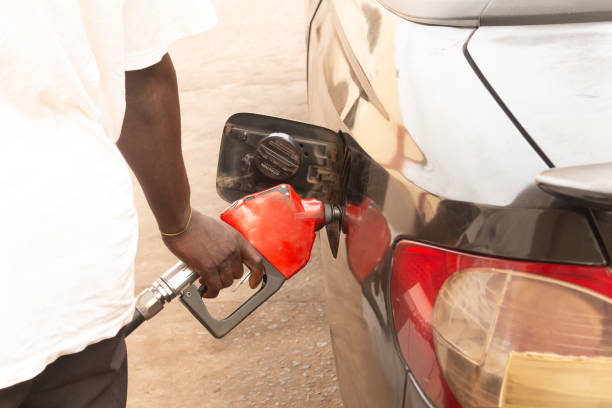
Fuel is one of the biggest running costs for transport and logistics businesses, but the problem is not always the pump price. For many companies, unexplained fuel consumption, false receipts, unauthorized refuelling and fuel siphoning quietly increase operating expenses.
To stop driver fuel fraud in Nigeria, businesses need more than verbal warnings. They need a system that compares fuel purchases with actual trips, vehicle mileage and operational activity.
This is especially important for companies running delivery vans, trucks, staff buses or vehicles moving regularly between Lagos, Abuja, Port Harcourt and other Nigerian cities.
Start by Knowing What Each Vehicle Should Consume
Before accusing a driver of fuel theft, establish a realistic fuel consumption benchmark.
A vehicle travelling from Ikeja to Lekki every day will not consume fuel the same way as a truck running from Lagos to Abuja. Traffic, vehicle weight, engine condition, air-conditioning use and driving style all affect consumption.
Businesses should record:
- Fuel purchased per vehicle
- Kilometres travelled
- Route covered
- Number of trips completed
- Vehicle load
- Refuelling location and time
After several trips, unusual fuel consumption becomes easier to identify.
Stop Giving Drivers Uncontrolled Fuel Cash
Cash-based refuelling creates one of the easiest opportunities for fuel fraud.
For example, a driver may receive money for 50 litres but buy 35 litres and produce an inflated receipt. Another driver may claim that fuel was purchased twice during a journey when only one refill occurred.
Where possible, businesses should use approved filling stations, fuel cards, controlled payment methods or direct company payments.
Drivers should also submit pump receipts immediately rather than several days after a trip.
Match Fuel Purchases With Real Trips
One practical way to stop driver fuel fraud in Nigeria is to compare every refuelling event against actual vehicle movement.
Suppose a delivery van leaves Surulere with a full tank, handles deliveries around Yaba, Ikeja and Maryland, then returns after travelling 85 kilometres. If the driver reports unusually high fuel consumption, the trip records should explain why.
GPS and fleet tracking can help businesses confirm:
- Routes taken
- Unplanned diversions
- Vehicle idle time
- Distance travelled
- Extended stops
- Trip start and completion times
Repeated unexplained diversions or excessive idling can indicate poor driving practices or possible misuse.
Watch for Fuel Fraud During Interstate Operations
Fuel control becomes more difficult during long-distance transport.
A truck travelling Lagos to Abuja, for example, may legitimately need multiple fuel stops depending on its tank size, cargo weight and vehicle type. That makes fabricated refuelling claims harder to detect without proper records.
Before departure, businesses should estimate the expected distance and fuel requirement. Drivers can then be given reasonable fuel allowances based on the route rather than arbitrary amounts.
Unexpected additional fuel requests should be documented and checked against the driver’s location and vehicle condition.
Vehicle Problems Can Look Like Driver Fraud
Not every increase in fuel consumption means a driver is stealing.
Poor tyre pressure, faulty injectors, engine problems, overloaded vehicles and excessive idling can significantly increase fuel use.
That is why fuel monitoring should be combined with regular vehicle maintenance. A business may spend weeks investigating a driver when the real problem is a vehicle burning considerably more fuel than normal.
Good fleet management separates genuine mechanical problems from suspicious behaviour.
Build Accountability Into Daily Transport Operations
Businesses with several drivers need consistent procedures rather than checking fuel only when costs become unusually high.
Trip sheets, mileage records, fuel receipts and vehicle inspection reports should be reviewed regularly. Drivers should also understand that fuel consumption is measured against route activity.
Travo.ng supports businesses with practical transport coordination, vehicle logistics and fleet-related operational support. Companies managing regular deliveries, cargo movement or corporate transportation can organise vehicle movement more effectively while maintaining clearer records around routes and daily operations.
When fuel purchases, mileage and trip activity are recorded together, unexplained losses become much easier to detect.
Stopping driver fuel fraud is ultimately about visibility. The more accurately a Nigerian business tracks where vehicles travel, how much fuel they receive and what work they complete, the harder it becomes for fuel losses to remain hidden.
