


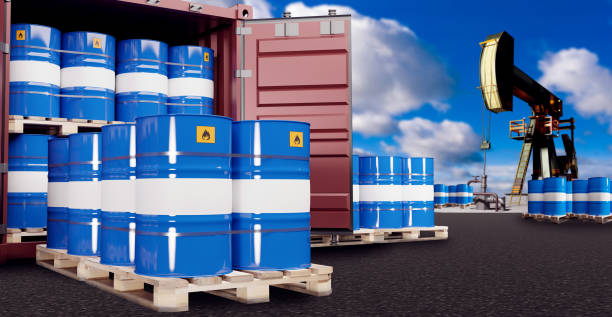
Running a manufacturing business in Nigeria without a reliable fuel supply can quickly become expensive. Between unstable electricity, generator maintenance, and fluctuating diesel prices, factories must carefully manage their energy requirements to avoid production delays.
Effective fuel management for manufacturing companies in Nigeria involves more than purchasing diesel when tanks run low. It requires proper consumption tracking, reliable fuel delivery arrangements, storage monitoring, and careful planning.
For manufacturers operating in Lagos, Ogun, Abuja, and Port Harcourt, maintaining consistent fuel availability can determine whether production targets are achieved.
How Poor Fuel Planning Disrupts Factory Operations
Manufacturing facilities depend on consistent energy to operate machinery, refrigeration systems, processing equipment, and production lines.
When diesel supplies unexpectedly run out, production can stop immediately.
For example, a food processing factory in Agbara, Ogun State, may depend on generators to maintain production during electricity interruptions. Delayed fuel deliveries could affect processing schedules and customer orders.
Common fuel management problems include:
- Unexpected diesel shortages during production
- Excessive fuel consumption from inefficient generators
- Poor recordkeeping and inaccurate fuel measurements
- Delayed deliveries from unreliable suppliers
- Fuel theft, leakage, and improper storage
Addressing these problems requires better coordination between procurement, maintenance, and logistics teams.
Tracking Diesel Consumption Across Manufacturing Facilities
Factories should understand exactly how much fuel their equipment consumes daily.
A manufacturing plant using 500 litres of diesel daily may require approximately 15,000 litres monthly, depending on operating hours and electricity availability.
However, consumption changes when production increases or generators operate longer than expected.
Businesses should record daily fuel purchases, generator running hours, tank readings, and actual consumption.
Comparing these figures helps identify unusual losses, equipment inefficiencies, and opportunities to reduce operating expenses.
Digital monitoring systems can also improve reporting across multiple factory locations.
Planning Fuel Deliveries Before Production Is Affected
Reliable fuel management for manufacturing companies in Nigeria depends heavily on delivery scheduling.
Manufacturers should avoid waiting until storage tanks are almost empty before placing orders.
For factories in Ikeja, Apapa, or the Lagos industrial corridor, traffic congestion and supplier availability can delay fuel transportation.
A practical approach involves establishing minimum fuel levels that automatically trigger replenishment requests.
Businesses should also consider:
- Average daily diesel consumption
- Supplier delivery lead times
- Available storage capacity
- Expected production increases
- Emergency fuel reserves
Travo.ng can support manufacturing businesses with transport coordination and logistics planning, helping companies organise supply movements and reduce avoidable delivery disruptions.
Reducing Fuel Expenses Without Slowing Production
Manufacturers can control fuel expenditure through better equipment maintenance and operational planning.
Poorly maintained generators often consume more fuel than necessary.
Regular servicing, load monitoring, and eliminating unnecessary generator running hours can improve efficiency.
Factories should also compare supplier quotations based on delivered cost rather than diesel prices alone.
Transportation charges, delivery reliability, and fuel quality can significantly affect total expenditure.
Building a Reliable Fuel Supply Arrangement
Manufacturing companies should work with dependable suppliers and establish clear delivery expectations.
Before confirming supply arrangements, verify fuel quality, delivery documentation, supplier capacity, and applicable safety requirements.
Factories should also maintain accurate inventory records and inspect storage facilities regularly.
For manufacturers operating across multiple Nigerian locations, Travo.ng offers relevant logistics coordination and business transport support that can complement existing fuel procurement arrangements.
With proper consumption monitoring, scheduled replenishment, and dependable logistics planning, manufacturers can reduce unnecessary expenses, protect production schedules, and maintain more consistent operations despite Nigeria’s energy challenges.
