


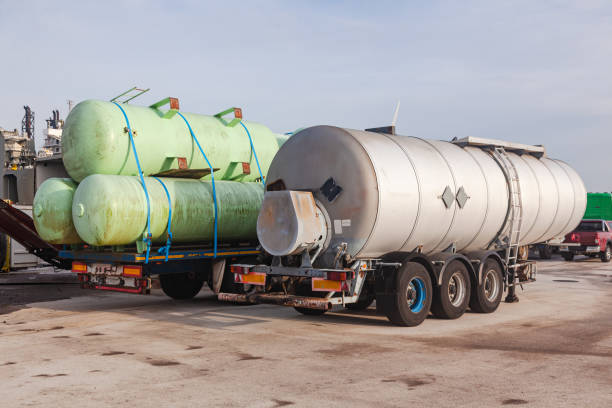
Fuel expenses can quickly become a serious problem for businesses operating vehicles across Nigeria. Between changing pump prices, heavy traffic, poor road conditions, and unexpected vehicle breakdowns, keeping transport costs under control requires proper planning.
Fuel consumption monitoring in Nigeria helps businesses understand how much fuel their vehicles use, identify unnecessary expenses, and improve daily transport operations.
For companies managing delivery vans, trucks, staff buses, or commercial vehicles, monitoring fuel usage is an important part of maintaining profitability.
How Nigerian Businesses Lose Money Through Fuel Waste
A delivery company operating between Ikeja, Lekki, and Victoria Island may spend more on fuel than expected because of traffic congestion and repeated trips.
Similarly, trucks travelling from Lagos to Abuja can experience increased fuel consumption due to vehicle loading, road conditions, and prolonged engine idling.
Common causes of unnecessary fuel expenses include:
- Drivers leaving engines running during deliveries.
- Poor vehicle maintenance and underinflated tyres.
- Unplanned routes and unnecessary trips.
- Excessive speeding and aggressive driving.
- Inaccurate fuel purchase records.
- Unauthorised vehicle usage.
Without proper monitoring, these expenses can accumulate without management noticing the problem.
How Fuel Consumption Monitoring in Nigeria Works
Effective fuel monitoring involves recording fuel purchases, tracking vehicle mileage, and comparing consumption against actual transport activities.
Businesses can begin with simple records before investing in advanced fleet management technology.
For example, a delivery van that consumes 60 litres while covering 450 kilometres has an average fuel efficiency of 7.5 kilometres per litre.
If the same vehicle suddenly consumes 80 litres over a similar distance, management should investigate possible mechanical problems, route changes, or inaccurate fuel records.
GPS tracking systems, fuel sensors, and digital fleet reports can provide additional visibility for businesses managing several vehicles.
Practical Ways to Reduce Fuel Costs in Lagos
Lagos traffic makes fuel management particularly challenging, especially for businesses operating around Apapa, Oshodi, Lekki, and the Lagos-Ibadan Expressway.
Companies can reduce unnecessary consumption by planning deliveries around traffic patterns and combining shipments heading towards similar destinations.
A courier business delivering five parcels within Victoria Island should ideally organise those deliveries into one coordinated route instead of making separate journeys.
Regular servicing also makes a difference. Dirty air filters, worn spark plugs, and incorrect tyre pressure can increase fuel consumption.
Drivers should also receive guidance on smooth acceleration, responsible idling, and proper vehicle handling.
Managing Fuel Expenses for Interstate Transport
Interstate logistics requires more detailed fuel planning because vehicles travel longer distances and encounter different road conditions.
Before dispatching a truck from Lagos to Abuja, businesses should consider:
- Total travel distance and expected fuel requirements.
- Vehicle capacity and cargo weight.
- Road conditions and possible diversions.
- Refuelling locations along the route.
- Delivery schedules and expected delays.
Comparing planned consumption with actual fuel usage after each journey helps identify unusual expenses.
How Travo.ng Supports Smarter Transport Operations
Businesses do not always need to maintain large vehicle fleets to meet their transport requirements.
Travo.ng provides practical transport coordination, cargo logistics, courier services, and business logistics support for companies operating across Nigeria.
By arranging suitable vehicles, coordinating deliveries, and planning transport requirements carefully, businesses can reduce unnecessary trips and improve operational efficiency.
Companies can also use Travo.ng’s vehicle hire and logistics coordination services when additional transport capacity is required.
Start Controlling Fuel Expenses Before They Increase
Successful fuel management begins with accurate records, regular vehicle inspections, and better journey planning.
Businesses should review fuel consumption weekly, investigate unusual changes, and encourage drivers to follow efficient operating practices.
For organisations seeking more organised transport arrangements, Travo.ng offers logistics and vehicle coordination services that support efficient movement of goods across Nigeria.
With consistent fuel consumption monitoring in Nigeria, businesses can make better transport decisions, control operating expenses, and maintain more dependable delivery schedules.
