


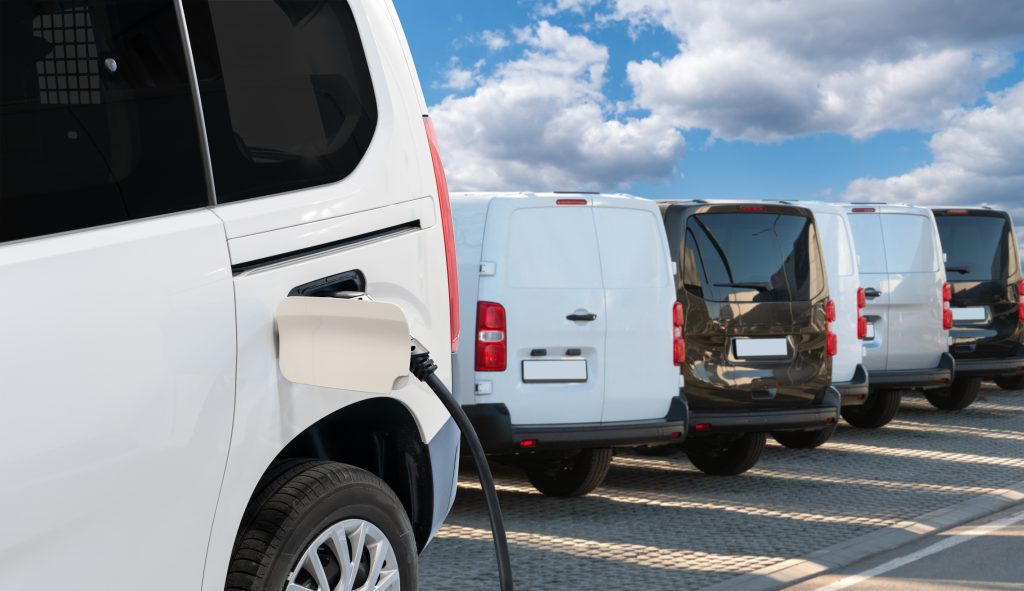
Managing fuel across several company vehicles can quickly become difficult. Between rising diesel and petrol costs, inaccurate records, driver claims, generator consumption, and unexpected refuelling, businesses need a reliable corporate fuel control system in Nigeria to understand exactly where their fuel budget is going.
For companies operating fleets in Lagos, Abuja, Port Harcourt, or across multiple Nigerian states, fuel control is no longer just an accounting task. It directly affects transport costs, delivery performance, fleet availability, and overall profitability.
A structured fuel management process helps businesses monitor consumption while keeping vehicles and operational equipment properly supplied.
Where Companies Usually Lose Control of Their Fuel Spending
Fuel expenses can become difficult to track when drivers collect cash individually or different departments purchase fuel without a central record.
A logistics company running 15 vehicles, for example, may have drivers refuelling at different stations between Lagos, Ibadan, and Abuja. Without proper monitoring, management may struggle to confirm whether every litre purchased was actually used for company operations.
Common problems include:
- Unrecorded fuel purchases
- Excessive consumption by certain vehicles
- Drivers submitting inaccurate fuel expenses
- Fuel being purchased outside approved stations
- Difficulty comparing fuel consumption with kilometres travelled
- Poor records for generators and operational equipment
These small gaps can become significant monthly expenses when a business operates multiple vehicles.
How a Corporate Fuel Control System in Nigeria Works
A corporate fuel control system creates a clear process for approving, purchasing, monitoring, and reporting fuel usage.
Instead of simply giving drivers money whenever they need petrol or diesel, businesses can establish fuel limits based on each vehicle, route, department, or operational requirement.
For example, a vehicle making regular Lagos to Abuja trips should have a predictable fuel consumption range. If the same vehicle suddenly begins using considerably more fuel without an increase in mileage, management can investigate whether there is a mechanical issue, inefficient driving, route deviation, or inaccurate reporting.
Good fuel control therefore combines operational records with fleet monitoring rather than relying only on receipts.
Match Fuel Usage With Actual Vehicle Movement
Fuel records become much more useful when businesses compare them with vehicle activity.
Companies should monitor:
- Distance travelled
- Routes completed
- Litres purchased
- Cost per litre
- Vehicle mileage
- Refuelling frequency
- Driver assigned to each trip
Imagine two delivery vans completing similar routes between Ikeja and Victoria Island. If one consistently consumes significantly more fuel, the problem may be traffic patterns, poor vehicle maintenance, unnecessary idling, or driver behaviour.
Having accurate records makes these differences easier to identify.
Fuel Planning Is Especially Important for Nigerian Businesses
Nigeria’s transport environment makes fuel planning particularly important. Heavy Lagos traffic can increase consumption considerably, especially when vehicles spend long periods idling around areas such as Lekki, Apapa, Marina, or the Lagos-Ibadan Expressway.
Interstate operations create another challenge.
A company moving cargo from Lagos to Abuja, Kano, Benin, or Port Harcourt must consider distance, road conditions, vehicle type, cargo weight, and possible delays when estimating fuel requirements.
Seasonal price changes and fuel availability can also affect operational budgets.
Businesses that understand their normal consumption patterns can prepare more realistic transport budgets instead of constantly reacting to unexpected fuel expenses.
Combine Fuel Control With Proper Fleet Management
Fuel management works best when it forms part of a wider transport system.
Travo.ng can support businesses that need organised transport coordination, vehicle hire, cargo logistics, fleet movement, and business logistics support across Nigeria.
Instead of managing vehicle movement, deliveries, and fuel requirements separately, companies can coordinate these activities more efficiently.
For businesses handling regular deliveries, staff transportation, cargo movement, or interstate operations, proper planning can reduce unnecessary journeys and improve vehicle utilisation.
A truck should not travel from Lagos to Abuja half-empty if cargo planning can consolidate multiple deliveries into one properly scheduled trip.
Start With Simple Controls Before Expanding
Companies do not always need a complicated system immediately.
Start by recording every vehicle, assigned driver, expected fuel consumption, mileage, route, fuel purchase, and trip purpose. Review these records weekly rather than waiting until month-end.
As the fleet grows, the business can introduce more advanced monitoring and reporting systems.
A reliable corporate fuel control system in Nigeria gives management better visibility over operating costs and helps identify waste before it becomes a major financial problem.
When combined with organised transport, vehicle management, cargo planning, and logistics support from Travo.ng, businesses can run their fleets with clearer records, better accountability, and stronger control over one of their most important operating expenses.
