


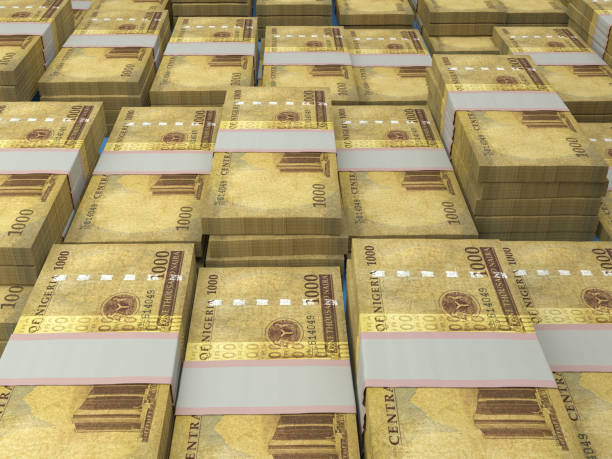
Naira depreciation and import costs in Nigeria refers to how the weakening of the Nigerian Naira against foreign currencies (especially the US Dollar) increases the total cost of importing goods into the country.
Since most imports are priced and paid in foreign currency, a weaker Naira means importers need more Naira to buy the same goods, pay freight, and clear cargo.
In simple terms, when the Naira falls, import costs rise.
What Naira Depreciation Means for Importers
Naira depreciation happens when:
- ₦1 loses value against $1
- More Naira is needed to buy foreign currency
- Importers pay higher local costs for international goods
Example:
- ₦800/$ → stronger Naira
- ₦1,500/$ → weaker Naira (depreciation)
How Naira Depreciation Increases Import Costs
1. Higher Product Purchase Cost
Most suppliers charge in USD or other foreign currencies.
So when Naira weakens:
- Same product becomes more expensive in Naira
- Importers need more capital
2. Increased Customs Duty and Taxes
Nigeria Customs Service
calculates duties based on CIF value (Cost + Insurance + Freight).
When exchange rate rises:
- Duty payable in Naira increases automatically
3. More Expensive Freight and Shipping
International shipping is billed in foreign currency.
So depreciation leads to:
- Higher sea freight costs in Naira
- Higher air freight charges
- Increased courier expenses
4. Higher Landed Cost of Goods
Total landed cost increases because every foreign-cost component becomes more expensive in Naira.
5. Reduced Profit Margins
Importers may struggle to increase selling prices immediately, leading to:
- Lower profit margins
- Losses in competitive markets
6. Increased Working Capital Needs
Businesses need more cash to:
- Buy goods
- Clear cargo
- Pay port charges
- Cover logistics
Example of Naira Depreciation Impact
Scenario:
- Product cost: $10,000
Exchange rate impact:
- ₦800/$ → ₦8,000,000
- ₦1,400/$ → ₦14,000,000
👉 Same goods cost ₦6,000,000 more due to depreciation.
Hidden Effects on Import Costs
Naira depreciation also indirectly increases:
- Demurrage charges
- Storage fees
- Clearing agent fees
- Regulatory compliance costs
- Inland transportation costs
Because all these are ultimately paid in Naira.
How Naira Depreciation Affects Importers in Nigeria
Importers often face:
- Unstable import budgeting
- Sudden cost increases after ordering
- Delays due to funding shortages
- Difficulty pricing products competitively
- Cash flow pressure
How to Reduce the Impact of Naira Depreciation
1. Early Import Planning
Lock prices and calculate costs using worst-case exchange rates.
2. Shorten Import Cycle Time
Faster shipment reduces exposure to FX changes.
3. Bulk Purchasing
Buying in larger quantities reduces repeated FX exposure.
4. Negotiate Supplier Terms
- Partial payments
- Credit arrangements
- Fixed pricing contracts
5. Monitor Exchange Rate Trends
Plan imports when rates are relatively stable.
6. Build FX Buffer into Budget
Always add a margin for currency fluctuations.
Role of Compliance in Cost Control
Strong compliance helps reduce total import cost pressure by avoiding:
- Customs penalties
- Cargo detention
- Inspection delays
- Storage and demurrage charges
Even with FX pressure, efficiency reduces total landed cost.
How Travo.ng Helps After Clearance
While Naira depreciation increases import costs, efficient logistics after clearance helps reduce additional financial pressure.
This is where Travo.ng supports businesses across Nigeria.
Travo.ng provides:
- Cargo pickup from ports and airports
- Nationwide transportation services
- Interstate logistics coordination
- Commercial cargo delivery
- Distribution support for businesses
- Last-mile delivery solutions
Fast movement after clearance reduces storage costs and improves overall import efficiency.
Final Insight
Naira depreciation significantly increases import costs in Nigeria by raising product prices, customs duties, freight charges, and overall landed cost. Importers who plan for exchange rate risks and manage timing effectively can reduce financial losses and maintain stable business operations.
