


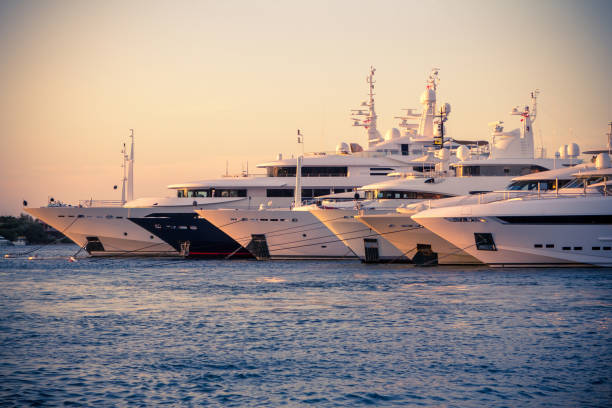
Owning a single yacht is already a significant responsibility. Managing a fleet of yachts multiplies that complexity across maintenance schedules, crew rotation, docking logistics, fuel management, and charter planning.
For investors, yacht fleet management is what transforms luxury vessels from expensive lifestyle assets into structured, revenue-generating marine investments.
A yacht fleet management service ensures that multiple yachts are properly maintained, efficiently operated, and commercially positioned for charter or private use without operational stress on the owner.
What yacht fleet management for investors actually means
Yacht fleet management is the coordinated oversight of multiple yachts under one investment portfolio.
It includes:
- Technical maintenance across all vessels
- Crew recruitment, rotation, and supervision
- Charter and luxury booking management
- Docking and marina coordination
- Fuel and operational cost control
- Safety and regulatory compliance
- Financial reporting and fleet performance tracking
In simple terms, it ensures every yacht in the fleet is always ready, maintained, and earning when needed.
Why yacht investors need fleet management services
Unlike a single private yacht, a fleet introduces operational complexity.
Without structured management, investors often face:
- High and uncontrolled maintenance costs
- Poor yacht utilisation rates
- Crew scheduling conflicts
- Idle vessels sitting unused in marinas
- Charter booking inefficiencies
- Rapid asset depreciation
Luxury yachts lose value quickly when they are not properly maintained or actively used.
Core components of yacht fleet management
1. Technical maintenance and vessel upkeep
Every yacht in the fleet must be kept in peak condition.
Management includes:
- Engine servicing and performance monitoring
- Hull cleaning, polishing, and anti-fouling treatment
- Electrical and navigation system checks
- Interior luxury maintenance and refurbishment
- Dry-docking and major repairs scheduling
Consistent maintenance protects both performance and luxury value.
2. Crew management and onboard staffing
Yacht operations depend heavily on professional crew service.
Fleet management covers:
- Recruitment of captains, engineers, and hospitality staff
- Crew rotation across multiple vessels
- Training for luxury hospitality standards
- Payroll and welfare coordination
- Performance monitoring and service quality control
Well-trained crews ensure premium guest experience.
3. Charter and luxury booking coordination
Many yacht owners generate income through charters.
Services include:
- Luxury charter booking management
- Event and private cruise scheduling
- High-net-worth client coordination
- Pricing strategy for seasonal demand
- Availability optimisation across the fleet
Proper scheduling increases fleet revenue potential.
4. Docking, marina, and location management
Yachts require secure and well-located docking spaces.
Management involves:
- Marina reservation and berth allocation
- Seasonal repositioning of yachts
- International docking coordination
- Security and surveillance arrangements
- Weather-based storage decisions
Strategic docking reduces wear and operational delays.
5. Fuel and operational cost control
Luxury yacht operations can be expensive without oversight.
Management includes:
- Fuel consumption tracking per trip
- Engine efficiency optimisation
- Route planning for charter journeys
- Reduction of unnecessary idle running
Efficiency directly impacts profitability and sustainability.
6. Safety and regulatory compliance
Even luxury yachts must comply with maritime regulations.
Fleet management ensures:
- Safety equipment inspections
- Flag state compliance
- Insurance coverage and renewals
- Crew certification validation
- Environmental compliance standards
Compliance protects both assets and investors.
7. Financial reporting and asset performance tracking
Investors need visibility across all yachts.
Reports typically include:
- Charter revenue per yacht
- Maintenance cost breakdown
- Occupancy and utilisation rates
- Fuel and operational expenses
- Return on investment (ROI) per asset
- Fleet-wide performance comparison
This helps investors make strategic decisions.
Challenges in managing yacht fleets
Yacht investors often underestimate operational complexity.
Common challenges include:
- Seasonal demand fluctuations in luxury charters
- High maintenance costs across multiple vessels
- Crew availability and scheduling conflicts
- International marina coordination issues
- Rapid depreciation without proper upkeep
- Logistical delays for parts and servicing
Without structured management, costs can quickly exceed revenue.
The cost of poor yacht fleet management
When fleet operations are not professionally managed, investors experience:
- Idle yachts generating no income
- Rising repair and maintenance expenses
- Reduced charter bookings due to poor availability
- Declining luxury standards onboard
- Loss of high-value clients
- Faster asset depreciation
Luxury marine assets require constant attention to retain value.
How yacht fleet management improves investment returns
With structured systems in place, investors benefit from:
- Higher yacht utilisation rates
- Increased charter revenue consistency
- Lower operational and maintenance costs
- Better guest satisfaction and repeat bookings
- Improved asset lifespan and resale value
- Stronger portfolio-level performance tracking
The fleet becomes a managed luxury investment portfolio rather than a set of idle assets.
Technology in modern yacht fleet management
Modern fleet operators use advanced tools such as:
- Real-time vessel tracking systems
- Charter booking and CRM platforms
- Predictive maintenance analytics
- Fuel efficiency monitoring dashboards
- Fleet performance reporting software
These systems improve coordination and transparency across multiple yachts.
Where logistics coordination fits into yacht fleet operations
Even well-managed yachts rely on external logistics support.
This includes:
- Provisioning and supply delivery
- Crew travel and airport transfers
- Maintenance equipment logistics
- Luxury goods and event coordination
- International repositioning support
Delays in logistics can affect charter schedules and guest experience.
How Travo.ng supports marine logistics coordination
While yacht fleet management focuses on vessels and operations, logistics coordination ensures smooth movement of supplies, crew, and support services.
Travo.ng supports maritime and luxury transport operations through:
- Crew airport pickup and transfer coordination
- Cargo and supply delivery services
- Travel logistics across Nigerian and regional routes
- Port and marina coordination support
- End-to-end logistics execution for marine operations
This helps reduce delays and improves operational readiness across fleets.
Final thoughts
Yacht fleet management for investors is essential for turning luxury vessels into structured, high-performing assets. Without proper coordination, yachts become expensive liabilities; with the right systems, they become revenue-generating investments that retain value over time.
For modern maritime investors, success is not just about owning yachts—it is about ensuring every vessel in the fleet is continuously maintained, professionally staffed, and strategically positioned for both luxury experience and financial return.
