


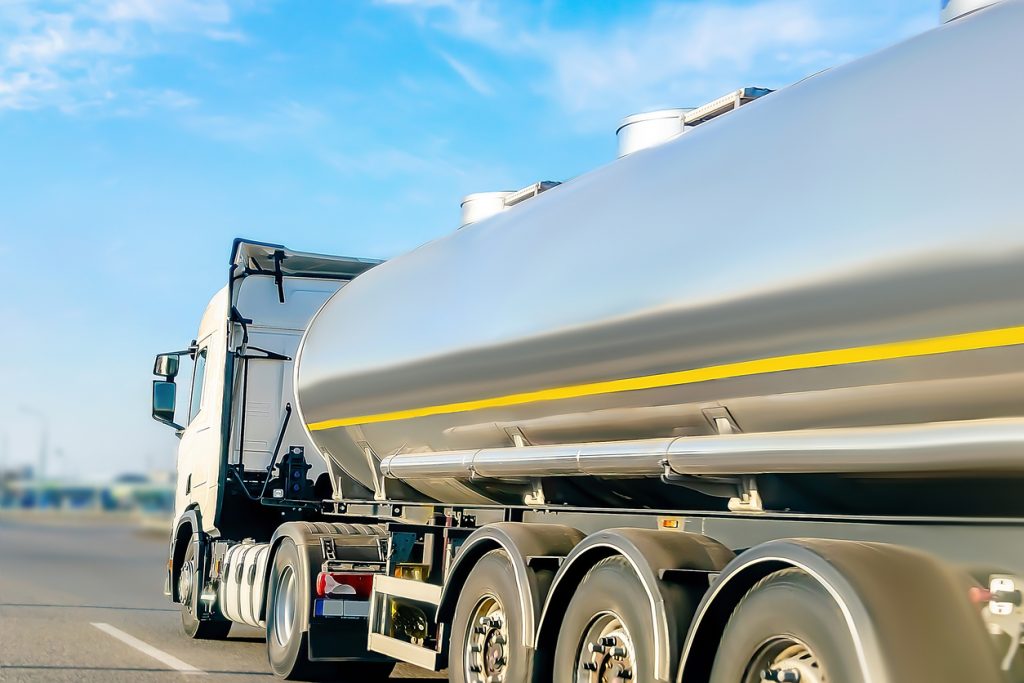
For many factories in Nigeria, fuel is not just another operating expense. It is what keeps production lines running when public power supply drops, which can happen several times in one working day.
Whether it is a food processing plant in Ogun, a packaging factory in Lagos, a textile operation in Kano, or a cold room facility in Port Harcourt, steady diesel supply can determine whether orders go out on time or machines sit idle.
That is why fuel delivery for factories in Nigeria has become a serious logistics need, not something businesses can leave to last-minute calls.
What Factory Managers Usually Worry About
Most factory operators are not just asking, “Can someone bring diesel?”
They are usually asking:
- Will the fuel arrive before the generator runs low?
- Can the supplier handle bulk volume?
- Is the delivery truck suitable for industrial premises?
- Will the quantity be properly measured?
- Can deliveries be scheduled around production hours?
- What happens during scarcity or price changes?
These are practical concerns. A late fuel supply can affect night shifts, cold storage, packaging deadlines, or customer dispatch schedules.
For example, a factory running heavy generators may need thousands of litres weekly. If supply is delayed by even six hours, production may slow down or stop completely.
How Fuel Delivery Works for Factories
Factory fuel delivery is different from sending a small parcel or filling a vehicle tank.
A proper arrangement usually involves:
- Confirming the required fuel quantity
- Checking delivery location and access route
- Scheduling the delivery window
- Coordinating with security or operations staff
- Measuring and confirming supply on arrival
- Keeping records for payment and stock control
In busy industrial areas like Ikeja, Agbara, Apapa, Mowe, Aba, Onitsha, Kaduna, and Port Harcourt, timing matters. Traffic, loading delays, depot queues, and security checks can affect delivery.
That is why businesses prefer working with logistics partners that understand route planning, supplier coordination, and time-sensitive delivery.
Why Last-Minute Fuel Runs Cause Problems
Many factories still wait until diesel is almost finished before placing an order. This often leads to panic buying, higher prices, and rushed delivery arrangements.
Common problems include:
- Paying more during urgent supply requests
- Receiving delayed deliveries during traffic peaks
- Poor coordination with factory gate security
- Unclear quantity confirmation
- Production teams waiting unnecessarily
- Difficulty tracking repeat supply needs
A better approach is to plan fuel delivery based on usage patterns. If a factory knows it uses 1,000 litres every three days, deliveries can be scheduled ahead instead of treated as emergencies.
What It May Cost to Arrange Factory Fuel Supply
Fuel cost depends on market price, location, delivery volume, distance, and urgency.
For instance, delivery to a factory inside Lagos may cost less than moving fuel from Lagos to an industrial site outside the city. A delivery to Agbara, Ibadan, Sagamu, or Abeokuta may include additional transport coordination.
The actual diesel price can also change quickly due to supply conditions, depot rates, and demand. During scarcity, factories that already have planned delivery support are usually in a better position than those searching at the last minute.
Where Travo.ng Fits Into Factory Fuel Logistics
Travo.ng helps businesses coordinate practical transport, delivery, and logistics needs across Nigeria. For factories, this can include fuel delivery coordination, cargo logistics, vehicle movement support, and other business logistics services.
Instead of factory staff spending hours calling different suppliers and drivers, Travo.ng can help organise reliable delivery arrangements based on location, volume, timing, and operational needs.
This is useful for:
- Manufacturing companies
- Cold room operators
- Printing businesses
- Food processing factories
- Warehouses
- Packaging plants
- Construction sites
- Industrial facilities using diesel generators
The goal is simple: reduce downtime and make fuel movement easier to manage.
How to Plan Fuel Delivery More Smoothly
Factories can avoid many delivery problems by keeping a simple fuel planning routine.
A practical system should include:
- Weekly fuel usage tracking
- Minimum stock level alerts
- Preferred delivery days
- Backup delivery contacts
- Clear receiving procedures
- Proper documentation after supply
For example, if a factory runs two generators daily, the operations team should know the average daily consumption. That makes it easier to schedule supply before the tank reaches a risky level.
Book Factory Fuel Delivery Support With Travo.ng
Reliable fuel delivery for factories in Nigeria requires more than finding someone with a truck. It needs timing, coordination, route knowledge, supplier communication, and proper follow-up.
Travo.ng provides practical logistics support for businesses that need smoother delivery and transport coordination. Whether your factory is in Lagos, Ogun, Abuja, Rivers, Oyo, Kano, or another Nigerian industrial area, you can schedule fuel delivery support and related logistics services with a team that understands local movement challenges.
For factories, the real value is not just receiving fuel. It is avoiding downtime, reducing stress, and keeping production moving.
