


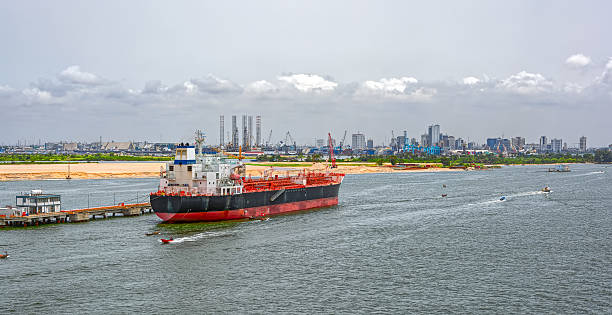
Shipping container tracking in Nigeria refers to monitoring the movement and status of import/export containers from the point of departure, through ports, bonded terminals, and finally to delivery locations.
It is a key part of freight forwarding and maritime logistics, especially for cargo moving through Apapa Port, Tin Can Island Port, Onne Port, and Lekki Deep Sea Port.
🚢 How Container Tracking Works
Container tracking allows importers and logistics companies to follow cargo in real time using:
- 🔢 Container number (e.g., MSKU1234567)
- 📄 Bill of Lading (BL number)
- 🚛 Customs or terminal reference number
- 📡 GPS/telematics systems (for inland movement)
🧭 Container Movement Process in Nigeria
🟢 1. Shipment from Origin
- Container is loaded at origin country (e.g., China, UAE, Europe)
- Shipping line issues Bill of Lading
🟡 2. Ocean Transit
- Container is tracked via shipping line systems
- Status updates: Departed, In Transit, Arrived Port
🔵 3. Arrival at Nigerian Port
- Container arrives at:
- Apapa Port
- Tin Can Island Port
- Onne Port
- Lekki Deep Sea Port
- Status becomes: Discharged / Awaiting clearance
🔴 4. Customs & Terminal Processing
- Customs inspection and duty calculation
- Container moved to:
- Bonded terminal or
- Port storage yard
- Status: Held / Cleared / Awaiting release
🚛 5. Final Delivery
- Container loaded onto trucks
- Delivered to importer warehouse or factory
- Status: Out for delivery / Delivered
🏢 Where to Track Containers in Nigeria
🚢 Shipping Lines (Primary tracking systems)
- Maersk Line
- MSC (Mediterranean Shipping Company)
- CMA CGM
- Hapag-Lloyd
- COSCO Shipping
Each provides online tracking using container number.
🏭 Nigerian Port & Terminal Systems
- Nigerian Ports Authority (NPA) systems
- Apapa & Tin Can terminal portals
- Private terminal tracking systems (e.g., APM Terminals)
🚛 Freight Forwarders & Logistics Companies
Most importers also track via:
- Customs clearing agents
- Freight forwarding dashboards
- Logistics companies handling haulage
💰 Cost Factors Affecting Container Movement (2026)
Tracking itself is usually free, but logistics costs include:
- 🚢 Ocean freight charges: varies by route & container size
- 🧾 Customs duties: based on HS code classification
- 🏗️ Terminal handling charges (THC)
- 🚛 Haulage (port to warehouse): ₦150,000 – ₦800,000+
- ⏳ Demurrage (delays at port): ₦10,000 – ₦50,000/day+
⚠️ Common Tracking Challenges in Nigeria
- Port congestion (Apapa/Tin Can delays)
- Slow customs clearance processes
- Lack of real-time inland GPS tracking in some cases
- Documentation errors (wrong container details)
- High demurrage charges due to delays
📌 Benefits of Container Tracking
- Real-time cargo visibility
- Better supply chain planning
- Reduced risk of loss or delays
- Improved delivery scheduling
- Transparency in import/export operations
🔎 Travo.ng Logistics Insight (IMPORTANT)
For importers and businesses managing cargo movement:
👉 Travo.ng
On Travo.ng, you can:
- Track and manage container movement support services
- Connect with verified freight forwarders
- Compare haulage and clearance providers
- Get assistance with port-to-door delivery in Nigeria
This helps reduce delays and improves end-to-end logistics visibility.
💡 Final Thoughts
Shipping container tracking in Nigeria is essential for modern import/export operations. While global shipping lines provide primary tracking, successful delivery depends on coordination between shipping companies, Nigerian ports, customs, and inland logistics providers
