


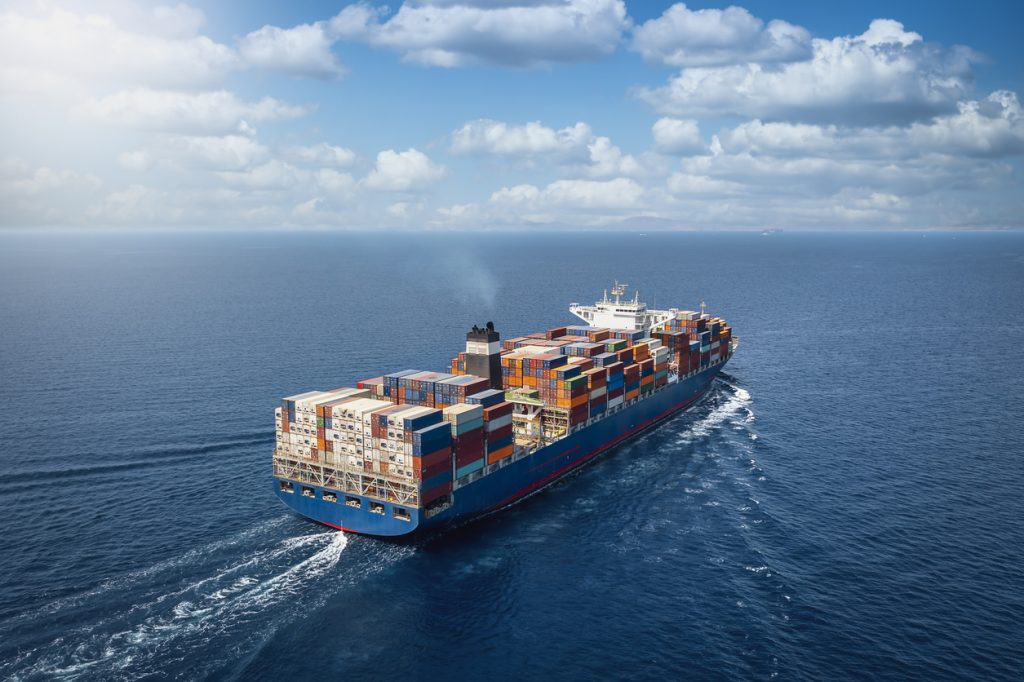
Ocean freight increase in Lagos refers to the rise in the cost of shipping goods by sea into Lagos ports, mainly Apapa Port and Tin Can Island Port. It means importers pay more to move containers or cargo from international origins (like China, Europe, or the US) into Nigeria.
In simple terms, it is when sea shipping prices into Lagos go up, making imports more expensive.
Why Ocean Freight Increases in Lagos
1. Global Shipping Demand
When more importers are shipping globally, container space becomes limited and prices rise.
2. Fuel Price Changes
Shipping lines adjust rates based on global bunker fuel costs.
3. Exchange Rate Pressure
A weaker Naira increases the local cost of paying freight charges.
4. Port Congestion in Lagos
Heavy congestion at:
- Apapa Port
- Tin Can Island Port
leads to delays and higher shipping costs.
5. Peak Season Demand
Freight increases during:
- Christmas period
- Back-to-school imports
- Global retail rush seasons
6. Shipping Line Surcharges
Extra charges added by carriers such as:
- BAF (fuel surcharge)
- CAF (currency adjustment)
- Peak season surcharge
- Congestion surcharge
Types of Ocean Freight Increases in Lagos
1. Base Freight Rate Increase
Direct increase in container shipping cost.
2. Fuel Surcharge (BAF)
Added when global fuel prices rise.
3. Currency Adjustment Factor (CAF)
Added due to exchange rate fluctuations.
4. Peak Season Surcharge
Applied during high-demand shipping periods.
5. Congestion Surcharge
Charged when Lagos ports experience delays.
Impact of Ocean Freight Increase in Lagos
1. Higher Import Costs
Total landed cost increases significantly.
2. Reduced Profit Margins
Businesses may struggle to maintain pricing.
3. Cash Flow Pressure
Importers need more capital per shipment.
4. Pricing Instability
Market prices become unpredictable.
5. Smaller Import Volumes
Importers may reduce shipment sizes.
Example of Ocean Freight Increase
- Previous container cost: $2,000
- New container cost: $2,800
👉 Increase: $800 extra per shipment
For multiple containers, costs rise significantly.
Why Lagos Is Highly Affected
Lagos ports experience:
- High import volume
- Heavy congestion
- Frequent customs inspections
- Limited port infrastructure
- Inland logistics delays
These factors amplify freight cost increases.
How to Reduce Ocean Freight Costs
1. Book Early
Secure lower rates before peak demand.
2. Consolidate Cargo
Ship in bulk to reduce per-unit cost.
3. Avoid Peak Seasons
Ship during off-peak periods when rates are lower.
4. Compare Shipping Lines
Different carriers offer different pricing structures.
5. Plan Proper Import Budget
Always include buffer for freight fluctuations.
Role of Planning in Cost Control
Proper import planning helps reduce:
- Emergency freight surcharges
- Peak season cost spikes
- Port congestion delays
- Storage and demurrage charges
How Travo.ng Supports Businesses After Clearance
While ocean freight increases affect shipping costs before arrival, logistics after clearance still impacts total import expenses.
This is where Travo.ng supports businesses across Nigeria.
Travo.ng provides:
- Cargo pickup from Lagos ports
- Nationwide transportation services
- Interstate logistics coordination
- Commercial cargo delivery
- Distribution support for businesses
- Last-mile delivery solutions
Efficient post-clearance logistics helps reduce storage costs and improve supply chain efficiency.
Final Insight
Ocean freight increase in Lagos is driven by global demand, fuel prices, exchange rates, and port congestion. It significantly raises import costs, but proper planning, early booking, and efficient logistics management can help reduce its impact.
