


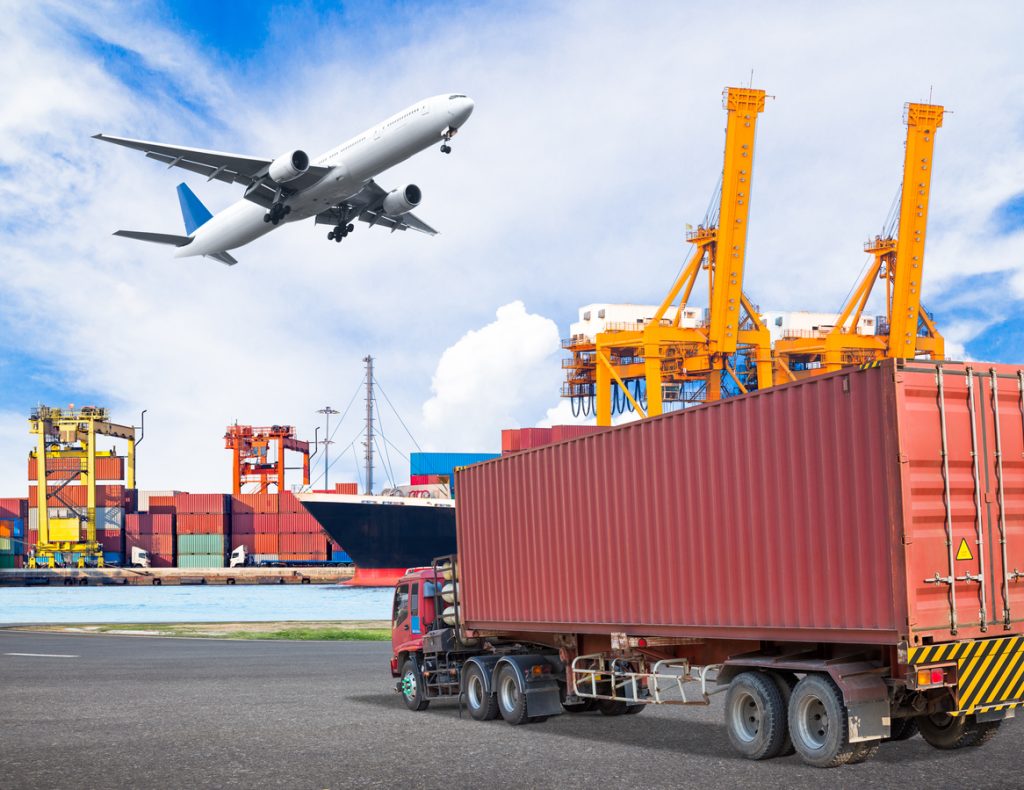
Shanghai is one of the world’s major international shipping hubs, with extensive sea and air connections serving markets across Asia, Africa, Europe, the Middle East and the Americas. Shanghai Port handled more than 55 million TEUs in 2025, while the city has hundreds of international shipping routes connecting it with ports around the world. (Pudong Shanghai)
For manufacturers, wholesalers and international traders, export shipping from Shanghai provides a structured way to move commercial cargo from Chinese suppliers to overseas customers.
How Export Shipping from Shanghai Works
The process generally begins when goods are ready at the supplier’s factory or warehouse. Cargo can then be moved to a freight facility or directly towards the appropriate export terminal.
A typical shipment involves:
- Supplier collection: Goods are collected from the manufacturer or supplier.
- Cargo receiving: Packages are counted, weighed and checked.
- Consolidation: Orders from multiple suppliers can be combined where appropriate.
- Export preparation: Invoices, packing details and other required documents are organised.
- Freight booking: Air, LCL or FCL shipping is selected based on the cargo.
- Port or airport handling: Goods are transferred through the appropriate export facility.
- International transportation: Cargo is shipped to the destination country.
- Destination clearance and delivery: Customs processing and final transportation are coordinated.
Sea Freight from Shanghai
Shanghai is particularly suitable for containerised ocean freight. FCL shipping can be used when a shipment requires a dedicated container, while LCL shipping allows smaller commercial shipments to share container space.
The right option depends on cargo volume, weight, product type, budget and destination. Heavy machinery, furniture, building materials and large wholesale orders usually require careful CBM and container planning.
Air Freight from Shanghai
Air freight can be considered for smaller, urgent or higher-value shipments where delivery speed is important. It can also be useful when the cargo volume does not justify slower ocean transportation.
Before choosing air freight, calculate the shipment’s actual and volumetric weight because air cargo charges can be affected by both.
Consolidating Orders from Shanghai
Businesses purchasing from several Chinese suppliers can consolidate their cargo before international shipping. A warehouse can receive different orders, organise the cartons and prepare compatible goods for one larger shipment.
This can simplify logistics and reduce the need to manage multiple international shipments, although the actual cost benefit depends on the cargo’s weight, volume, packaging and destination.
What Affects Export Shipping Costs?
Shipping costs from Shanghai can vary according to:
- Cargo weight and dimensions
- Product type
- Number of cartons or pallets
- Air, LCL or FCL freight
- Supplier-to-warehouse transportation
- Export handling and documentation
- Destination port or airport
- Customs duties and taxes
- Final-mile delivery requirements
Freight rates also change with demand, capacity and individual trade lanes, so a current quotation should be based on the actual shipment details. Shanghai’s export freight indices continue to track these market movements across major routes. (Shanghai Shipping Exchange)
How Travo.ng Can Help
Travo.ng can help coordinate export shipping from Shanghai by assisting with supplier cargo collection, warehouse receiving, consolidation planning and suitable air or sea freight arrangements.
Whether you are shipping wholesale goods to Nigeria, Ghana, Kenya, South Africa, the UK or another market, provide the supplier location, product type, number of cartons, estimated weight or CBM and destination so the shipment can be planned appropriately.
A coordinated approach helps keep your cargo organised from the Shanghai supplier through export handling and international transportation to its final destination.
