


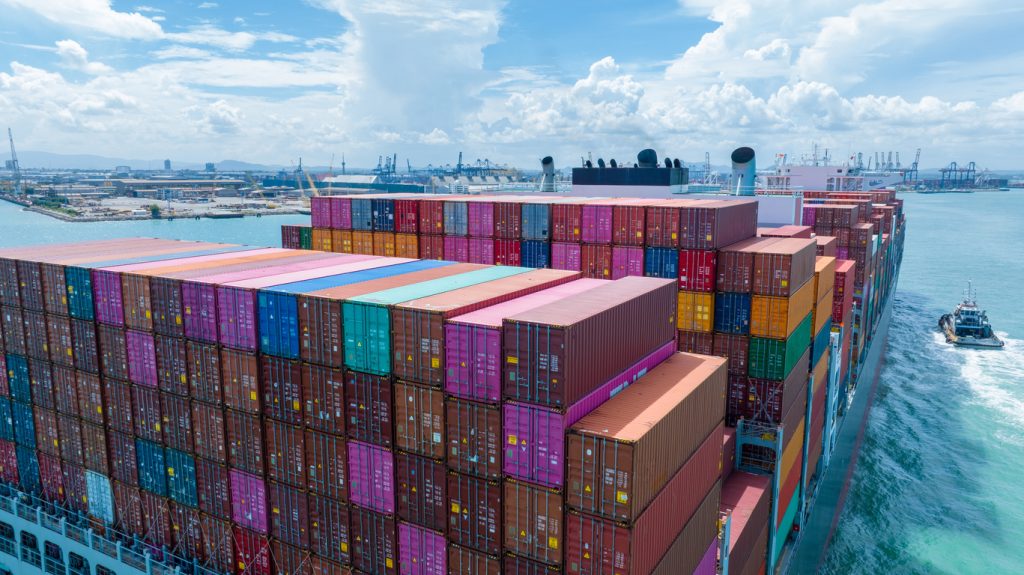
Container tampering in Nigeria refers to any unauthorized interference with a shipping container during transit, storage, or handling. This includes breaking seals, opening containers, altering contents, or modifying documentation to hide theft or damage.
In simple terms, container tampering is when someone illegally interferes with a sealed shipping container.
Common Types of Container Tampering
1. Seal Tampering
The original container seal is:
- Broken
- Removed
- Replaced with a fake seal
This is the most common form.
2. Container Break-In
The container is physically opened to:
- Remove goods
- Add or replace items
- Steal part of the cargo
3. Documentation Tampering
Includes:
- Altering container numbers
- Changing shipping records
- Forging delivery documents
4. Partial Content Substitution
Original goods are replaced with:
- Low-value items
- Empty cartons
- Different products
5. Internal Container Manipulation
Occurs during:
- Port inspection
- Warehouse handling
- Transit stops
Where Container Tampering Happens in Nigeria
1. Ports and Terminals
- During inspection
- Container yard storage
- Offloading areas
2. Inland Transit Routes
- Truck stops
- Unauthorized diversions
- Highway interception
3. Warehouses
- Storage facilities
- Distribution centers
- Bonded warehouses
Causes of Container Tampering in Nigeria
1. Weak Security Monitoring
- Limited surveillance
- Poor enforcement at some handling points
2. Long Port Dwell Time
Containers stay longer in ports due to:
- Customs delays
- Congestion
- Documentation issues
3. Lack of Tracking Systems
Without GPS tracking:
- Movement is harder to verify
- Diversion goes unnoticed
4. Insider Collaboration
Involvement of:
- Port workers
- Truck drivers
- Warehouse staff
5. Poor Seal Control
Weak or low-quality seals increase vulnerability.
6. Unstructured Logistics Handling
Multiple handovers increase risk of interference.
Impact of Container Tampering
1. Financial Loss
Loss of goods or replacement costs.
2. Inventory Discrepancies
Mismatch between shipped and received goods.
3. Supply Chain Disruption
Delays in delivery and stock shortages.
4. Insurance Claim Complications
Requires strong evidence to prove tampering.
5. Reputation Damage
Failure to deliver correct goods affects trust.
How to Detect Container Tampering
1. Seal Verification
Check:
- Seal number mismatch
- Broken seals
- Replaced seals
2. Weight Check
Compare:
- Shipping weight
- Arrival weight
3. Packaging Inspection
Look for:
- Repacked cartons
- Damaged or resealed boxes
- Missing items
4. Documentation Review
Verify:
- Bill of lading
- Container number
- Delivery records
How to Prevent Container Tampering in Nigeria
1. Use High-Security Seals
Tamper-evident seals show visible signs of interference.
2. GPS Tracking Systems
Real-time monitoring reduces diversion risk.
3. Reduce Port Storage Time
Faster clearance reduces exposure.
4. Limit Container Handovers
Fewer handling points = lower tampering risk.
5. Strong Warehouse Security
- CCTV cameras
- Controlled access
- Security personnel
6. Trusted Logistics Providers
Work with verified freight and transport companies.
7. Proper Documentation Control
Ensure consistency across all shipping documents.
8. Cargo Insurance
Protects against financial loss from tampering incidents.
What to Do If Container Tampering Is Suspected
1. Stop and Inspect Immediately
Do not fully accept cargo before inspection.
2. Document Evidence
Collect:
- Photos
- Videos
- Seal condition
- Packaging condition
3. Notify Stakeholders
Inform:
- Shipping line
- Freight forwarder
- Insurance company
4. Request Cargo Survey
A surveyor assesses:
- Extent of tampering
- Point of interference
- Value of loss
5. File Insurance Claim
Submit:
- Insurance certificate
- Bill of lading
- Survey report
- Evidence of tampering
Insurance Coverage for Container Tampering
Cargo insurance may cover:
- Seal tampering losses
- Partial theft
- Full cargo loss due to interference
Coverage depends on:
- Policy type
- Evidence quality
- Compliance with shipping terms
How Travo.ng Supports Businesses After Clearance
While container tampering often occurs during transit and storage, proper logistics management after clearance helps reduce further risks.
This is where Travo.ng supports businesses across Nigeria.
Travo.ng provides:
- Cargo pickup from ports and airports
- Nationwide transportation services
- Interstate logistics coordination
- Commercial cargo delivery
- Distribution support for businesses
- Last-mile delivery solutions
Structured handling and reliable transport help improve cargo security and visibility.
Final Insight
Container tampering in Nigeria is a serious logistics risk involving seal breaking, cargo theft, or document manipulation during shipping and storage. It is driven by weak security systems, delays, and multiple handling points. However, strong seals, tracking systems, insurance, and trusted logistics partners can significantly reduce the risk.
