


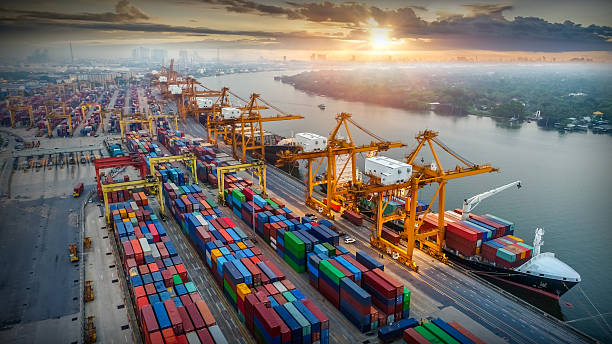
Shipping building materials from China to Africa requires careful planning because many construction products are heavy, bulky or fragile. Materials such as tiles, sanitary ware, doors, windows, lighting, roofing products, steel products, plumbing supplies and construction hardware are commonly moved by sea freight for commercial orders. (Hengyi Sourcing)
For African importers, the process should cover supplier collection, quality checks, warehouse handling, container loading, export documentation and delivery to the destination country.
How to Ship Building Materials From China
1. Find Suitable Suppliers
Start by comparing Chinese manufacturers based on product specifications, quality, production capacity, minimum order quantity and packaging. Request samples for new products where practical, particularly for tiles, sanitary ware, fittings and finishing materials.
2. Arrange China-Side Collection
Once orders are confirmed, the materials can be collected from factories and suppliers and moved to a warehouse or consolidation point. This is useful when buying different products from several manufacturers.
3. Inspect Before Export
Building materials should be checked before they leave China. Confirm quantities, dimensions, colours, specifications, packaging and visible condition. This is particularly important for fragile products such as glass, tiles and sanitary ware.
4. Consolidate and Load the Cargo
Multiple supplier orders can be consolidated into one shipment where appropriate. Proper container loading is important because heavy materials must be distributed carefully, while fragile products require adequate protection against movement and breakage.
Sea Freight or Air Freight?
Sea freight is generally the preferred option for large, heavy and bulky building materials because it is more practical for commercial quantities. Both FCL and LCL services can be considered depending on the size of the shipment. (Guangzhou Speed Freight)
Air freight may be considered for small urgent items, samples or replacement components, but the weight and volume of many construction materials can make it considerably more expensive.
Major China-Africa Routes
Building materials can be shipped from Chinese manufacturing and trading centres such as Guangzhou, Shenzhen, Ningbo and Shanghai to major African gateways.
Common destinations include Nigeria, Ghana, Kenya, Tanzania, South Africa, Cameroon and Côte d’Ivoire. West African cargo may move through gateways such as Lagos, Tema or Abidjan, while Mombasa and Dar es Salaam are important routes for East African markets. (Decoropic)
Transit times vary by origin, destination, vessel schedule and transshipment, so importers should build clearance and inland delivery time into their project schedule.
Costs to Consider
The total landed cost can include:
- Product purchase price
- Factory collection
- China warehouse charges
- Inspection and repacking
- Container or LCL freight
- Export documentation
- Customs duties and taxes
- Destination port charges
- Inland transportation
- Final delivery
Heavy materials can be priced according to weight as well as volume, making accurate packed dimensions and weights important when requesting quotations.
How Travo.ng Can Help
Travo.ng can help African businesses coordinate China-to-Africa shipping arrangements for building materials, including supplier collection, warehouse coordination, cargo consolidation and freight planning where applicable.
Whether you are importing materials for a construction project, hardware business, property development or retail operation, planning the cargo from the supplier stage through to final delivery can help control costs and reduce avoidable shipping problems.
