


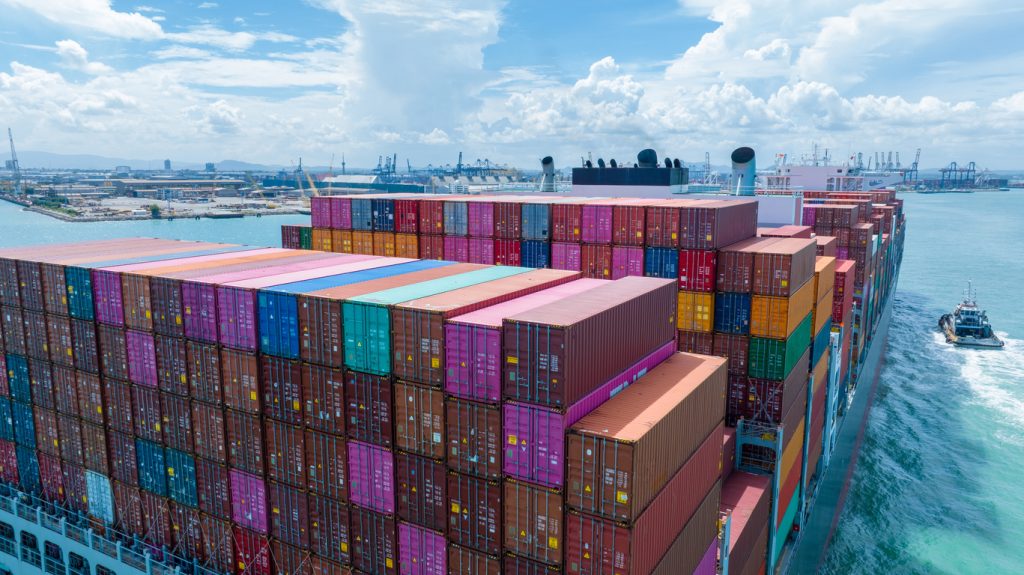
Cargo pilferage at Lagos ports refers to the theft or small-scale stealing of goods from containers, warehouses, or cargo handling points within port facilities in Lagos, Nigeria. Unlike full container theft, pilferage usually involves partial loss of goods during transit, storage, or inspection.
In simple terms, cargo pilferage is when small quantities of goods are stolen from shipments while they are being handled at the port.
Where Cargo Pilferage Happens in Lagos Ports
1. Container Yards
Goods may be removed during:
- Container stacking
- Storage waiting periods
- Yard handling operations
2. During Customs Inspection
Pilferage can occur when containers are:
- Opened for examination
- Re-sealed after inspection
- Left unattended during checks
3. Terminal Handling Areas
During loading and offloading:
- Forklift operations
- Crane handling
- Cargo transfer points
4. Warehouse and Bonded Facilities
Goods stored temporarily may be exposed to:
- Unauthorized access
- Inventory manipulation
5. Inland Movement from Port
Small-scale theft can occur during:
- Truck loading
- Exit from port gates
- Transit to warehouses
Common Causes of Cargo Pilferage in Lagos Ports
1. Weak Security Monitoring
- Inadequate CCTV coverage
- Poor surveillance at night
- Limited enforcement presence
2. Long Port Dwell Time
The longer cargo stays in the port:
- Higher exposure to theft risk
- Increased handling frequency
3. Container Opening During Inspection
Frequent opening increases risk of:
- Missing items
- Seal tampering
4. Insider Involvement
Some cases involve:
- Port workers
- Truck drivers
- Warehouse staff
5. Poor Documentation Control
Weak tracking systems can lead to:
- Unnoticed losses
- Inventory mismatches
6. Congestion and Operational Pressure
High cargo volume increases:
- Mistakes
- Opportunistic theft
Types of Cargo Affected by Pilferage
- Electronics
- Pharmaceuticals
- Consumer goods
- Textiles and fashion items
- Food products
- Spare parts
Impact of Cargo Pilferage on Importers
1. Financial Loss
Even small losses accumulate into significant costs.
2. Inventory Discrepancies
Missing goods affect stock planning.
3. Customer Fulfillment Issues
Short deliveries damage business reputation.
4. Insurance Claim Complications
Pilferage claims often require strong evidence.
5. Increased Logistics Costs
Businesses may spend more on:
- Security
- Tracking systems
- Insurance premiums
How to Detect Cargo Pilferage
1. Seal Inspection
Check if container seals are:
- Broken
- Replaced
- Tampered with
2. Weight Verification
Compare:
- Shipping weight
- Arrival weight
3. Packaging Condition
Look for:
- Repacked cartons
- Damaged seals
- Opened boxes
4. Inventory Reconciliation
Match:
- Packing list
- Actual delivery
How to Prevent Cargo Pilferage at Lagos Ports
1. Use High-Security Seals
Tamper-evident seals help detect unauthorized access.
2. Real-Time Cargo Tracking
GPS tracking reduces diversion risks.
3. Reduce Port Storage Time
Faster clearance lowers exposure.
4. Strong Documentation Control
Ensure accurate records at every stage.
5. Use Trusted Clearing Agents
Experienced agents reduce handling risks.
6. Port Security Awareness
Work only with verified logistics partners.
7. Cargo Insurance
Provides financial protection against losses.
What to Do If Pilferage Is Suspected
1. Inspect Immediately
Check cargo upon release from port.
2. Document Evidence
Take:
- Photos
- Videos
- Seal numbers
- Delivery notes
3. Notify Relevant Parties
Inform:
- Shipping line
- Freight forwarder
- Insurance company
4. Conduct Cargo Survey
A surveyor may determine:
- Point of loss
- Extent of pilferage
- Possible cause
5. File Insurance Claim
Submit required documentation for compensation.
Insurance Coverage for Pilferage
Cargo insurance may cover:
- Partial loss of goods
- Theft during transit or storage
- Seal tampering incidents
Coverage depends on:
- Policy terms
- Evidence strength
- Security compliance
How Travo.ng Supports Businesses After Clearance
While cargo pilferage mainly occurs at ports and during handling, efficient logistics after clearance reduces additional exposure.
This is where Travo.ng supports businesses across Nigeria.
Travo.ng provides:
- Cargo pickup from ports and airports
- Nationwide transportation services
- Interstate logistics coordination
- Commercial cargo delivery
- Distribution support for businesses
- Last-mile delivery solutions
Structured handling and reliable transport help reduce cargo exposure and improve supply chain integrity.
Final Insight
Cargo pilferage in Lagos ports is a persistent logistics risk caused by weak security, long dwell times, and handling exposure. Although it often involves small-scale theft, it can lead to significant financial and inventory losses. Strong security measures, proper documentation, and insurance coverage are essential for protection.
