


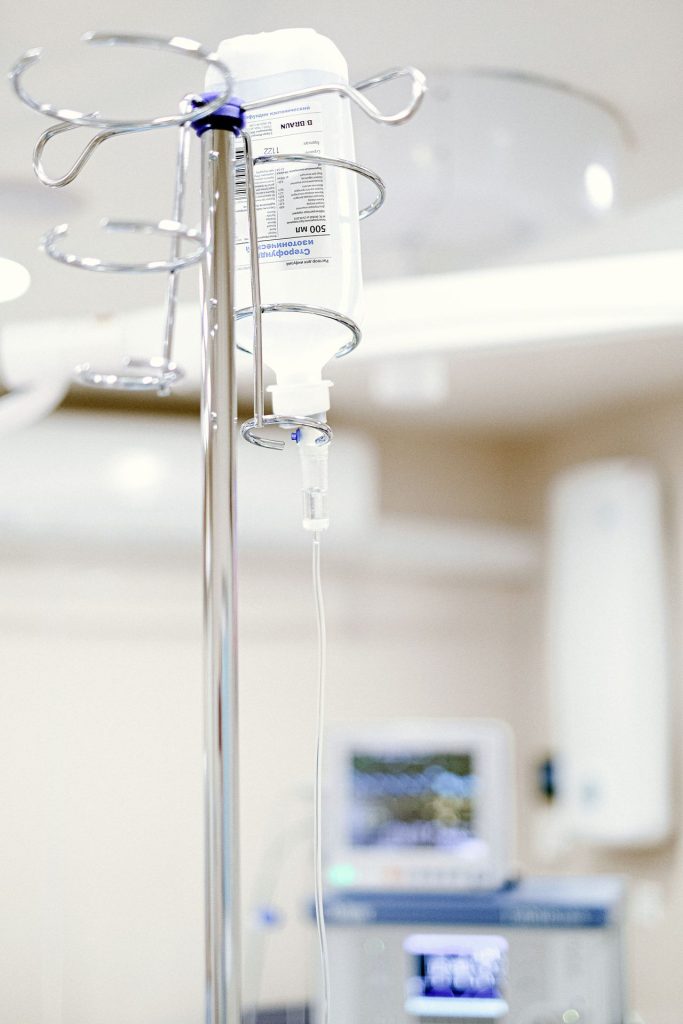
Healthcare import export in Nigeria is not the same as moving regular commercial goods. A shipment of hospital consumables, diagnostic equipment, medical devices, laboratory items, or pharmaceutical supplies needs careful handling from the point of arrival to the final destination. One delay at the airport, seaport, warehouse, or delivery point can affect hospitals, clinics, pharmacies, laboratories, and patients waiting for essential supplies.
For many Nigerian businesses, the challenge is not only bringing healthcare products into the country. The real work starts with documentation, customs coordination, cargo handling, temperature awareness, interstate delivery, and making sure the goods reach the right facility without damage or unnecessary delay.
This is where a logistics partner like Travo.ng becomes useful. Instead of treating healthcare cargo like normal parcels, Travo.ng helps businesses plan transport, delivery, airport pickup, cargo movement, and local distribution with practical knowledge of Nigerian routes and operating conditions.
What Makes Healthcare Import Export in Nigeria More Sensitive Than Regular Cargo
Healthcare shipments often come with stricter expectations. A box of medical gloves may not require the same handling as vaccines or lab reagents, but both still need proper movement, clean handling, and clear delivery records.
Common healthcare imports into Nigeria include:
Medical consumables such as gloves, syringes, face masks, dressings, and hospital disposables.
Diagnostic and laboratory items such as test kits, sample containers, reagents, and small lab equipment.
Hospital equipment such as monitors, wheelchairs, beds, scanners, and theatre supplies.
Pharmaceutical-related cargo that may need extra care, temperature control, or regulated handling.
Export needs can also come up for Nigerian healthcare businesses, especially when sending medical samples, equipment, wellness products, or healthcare-related supplies to partners outside the country. In both directions, the main concern is control. The business needs to know where the cargo is, who is handling it, and how fast it can move.
The Main Entry Points for Healthcare Cargo in Nigeria
Most healthcare import movements enter Nigeria through Lagos, especially Murtala Muhammed International Airport and Lagos seaport terminals. Air freight is usually preferred for urgent medical supplies, smaller equipment, diagnostic materials, and time-sensitive healthcare products. Sea freight is often used for bulkier items such as hospital furniture, large machines, cartons of consumables, and containerized medical stock.
After clearance, many shipments still need to move from Lagos to other cities such as Abuja, Port Harcourt, Ibadan, Benin, Enugu, Kano, Kaduna, and Owerri. This inland movement is where many businesses face unexpected problems. A shipment can arrive in Lagos safely but still get delayed because there is no proper vehicle, no delivery plan, no receiver coordination, or no trusted logistics contact to handle the final leg.
Travo.ng can support this stage by helping businesses arrange courier services, cargo logistics, vehicle hire, airport pickup, interstate transport, and delivery coordination based on the size and urgency of the shipment.
What Businesses Should Prepare Before Moving Healthcare Goods
Poor preparation is one of the biggest reasons healthcare cargo gets delayed. Before arranging healthcare import export in Nigeria, businesses should confirm the documents, handling instructions, and receiver details early.
Important details to prepare include:
Product description: Clearly state what the healthcare goods are, whether they are consumables, equipment, devices, samples, or temperature-sensitive items.
Quantity and packaging: Know the number of cartons, pallets, boxes, or containers, including weight and dimensions where possible.
Delivery location: Provide the full destination address, contact person, phone number, and preferred delivery time.
Handling instructions: Mark fragile, urgent, refrigerated, or sensitive items properly before movement.
Clearance status: Confirm whether the goods have been cleared, are still at the airport, or are awaiting release from the port.
When this information is available from the start, it is easier to choose the right vehicle, estimate cost, reduce waiting time, and avoid last-minute confusion.
Realistic Delivery Timelines After Cargo Arrival
Timelines depend on clearance, cargo type, destination, and road conditions. For healthcare goods that have already been released in Lagos, same-day delivery may be possible within parts of Lagos if the shipment is not too bulky and the receiver is ready.
For Lagos to Abuja, delivery by road often requires one to two days depending on the vehicle, departure time, security conditions, and the exact delivery point. Lagos to Port Harcourt may also take one to two days, while Lagos to Ibadan can often be handled faster if pickup and dispatch are arranged early.
Air cargo forwarding may be better when the shipment is urgent and the destination city has a suitable airport. However, the business still needs pickup from the airport and last-mile delivery to the hospital, pharmacy, warehouse, or laboratory.
This is why healthcare logistics should not be planned only around international arrival dates. The local Nigerian delivery leg needs equal attention.
Common Mistakes That Cause Medical Cargo Delays
Many healthcare suppliers lose time because they assume import clearance is the only difficult part. In reality, the movement after clearance can create its own problems.
Common mistakes include:
Booking the wrong vehicle: Some healthcare equipment needs a covered van, truck, or careful loading support, not a regular car.
Ignoring delivery timing: Sending goods across Lagos during peak traffic without planning can turn a short delivery into a full-day job.
Poor receiver coordination: If the hospital storekeeper, pharmacy manager, or warehouse contact is unavailable, the driver may waste hours waiting.
No backup plan: Road delays, vehicle issues, fuel scarcity, rain, and port congestion can affect delivery schedules.
Weak documentation: Healthcare cargo should move with clear delivery notes, item descriptions, and receiver confirmation.
A practical logistics provider helps reduce these risks by asking the right questions before dispatch.
How Travo.ng Supports Healthcare Import Export in Nigeria
Travo.ng helps businesses manage the Nigerian side of healthcare movement with services that fit real operational needs. Depending on the shipment, this may include airport pickup, courier delivery, cargo movement, vehicle hire, interstate transport, relocation-style logistics for equipment, and business delivery support.
For example, a medical supplier bringing diagnostic kits into Lagos can use Travo.ng to coordinate pickup after release and deliver to clinics in Lekki, Ikeja, Surulere, or Victoria Island. A hospital receiving equipment from Lagos can arrange suitable transport to Abuja or Port Harcourt. A pharmacy distributor can plan regular deliveries to branches without treating every order like a last-minute emergency.
The goal is simple: make healthcare logistics more predictable, organized, and easier to manage.
A Better Way to Move Healthcare Cargo Across Nigeria
Healthcare import export in Nigeria requires more than finding any available driver or courier. The goods are often valuable, time-sensitive, and important to patient care. Businesses need clear communication, proper handling, realistic timelines, and reliable delivery coordination.
With Travo.ng, healthcare suppliers, clinics, pharmacies, laboratories, and medical distributors can arrange practical logistics support for imports, exports, airport pickups, cargo delivery, and interstate movement. Whether the shipment is a small carton of medical consumables or bulky hospital equipment, planning the local logistics properly can save time, reduce stress, and protect the value of the goods.
For businesses that want healthcare cargo moved with better coordination across Nigeria, Travo.ng provides a convenient way to book the support needed and keep operations moving.
