


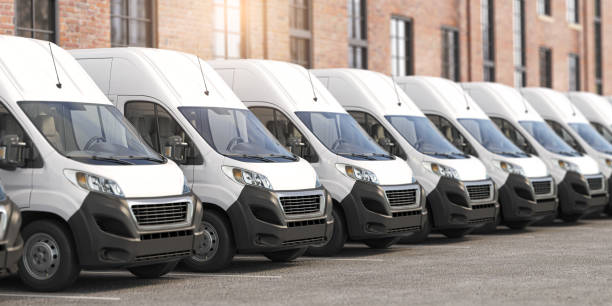
Professional operators for logistics asset owners are specialized management teams or companies responsible for running the full day-to-day operations of transportation and logistics assets—such as trucks, vans, cargo fleets, and distribution systems—on behalf of investors who own the assets but do not want to handle operational work.
In Nigeria, where logistics demand is strong but operational complexity is high, this model has become essential for anyone trying to treat fleet ownership as a structured income or investment strategy rather than a hands-on transport business.
The core idea is simple: ownership stays with the investor, execution stays with the operator.
Why Logistics Asset Owners Need Professional Operators
Owning logistics assets without professional management often leads to operational stress and inconsistent returns.
Common challenges include:
- Difficulty managing drivers and dispatch schedules
- Irregular logistics demand and poor asset utilization
- High fuel, maintenance, and repair costs
- Lack of route optimization and operational efficiency
- Weak visibility into performance and profitability
- Asset downtime reducing income potential
Professional operators exist to remove these bottlenecks entirely.
What Professional Operators Actually Do
1. Full Operational Control of Assets
Operators manage the daily movement and productivity of assets:
- Dispatch planning and coordination
- Trip scheduling and load assignment
- Driver management and supervision
- Route planning and optimization
- Delivery execution and tracking
This ensures continuous asset activity.
2. Demand Access and Logistics Matching
One of the most critical roles is connecting assets to real logistics demand:
- FMCG distribution networks
- E-commerce and retail logistics
- Industrial and manufacturing supply chains
- Interstate freight and cargo movement
Without demand, assets remain idle—operators ensure constant deployment.
3. Maintenance and Asset Care
To protect investor capital:
- Preventive maintenance scheduling
- Repairs and workshop coordination
- Vehicle performance monitoring
- Downtime reduction strategies
This preserves long-term asset value.
4. Financial Tracking and Reporting
Professional operators provide structured transparency:
- Revenue per vehicle and per route
- Cost breakdown (fuel, maintenance, operations)
- Utilization rates and idle time reports
- Net performance and ROI tracking
This ensures accountability for investors.
Why Professional Operators Are Essential in Nigeria
Nigeria’s logistics environment creates operational challenges such as:
- Lagos traffic congestion affecting delivery timing and fuel usage
- Road infrastructure variability increasing maintenance cycles
- Seasonal spikes in demand across FMCG and retail sectors
- Interstate logistics delays and checkpoint inefficiencies
- Fuel price volatility impacting operating margins
Without structured operators, these challenges reduce profitability significantly.
How Professional Operators Generate Value
Operators improve investor returns by focusing on:
- Maximizing vehicle utilization rates
- Reducing empty return trips
- Optimizing fuel and maintenance costs
- Improving route efficiency
- Ensuring consistent logistics demand flow
Value is created through operational efficiency, not just asset ownership.
Types of Professional Logistics Operators
1. Fleet Management Companies
Handle complete fleet operations for investors.
2. Third-Party Logistics (3PL) Providers
Manage supply chain execution and freight movement.
3. Asset-Light Logistics Platforms
Match demand with investor-owned assets.
4. Specialized Sector Operators
Focus on niche logistics such as cold chain, industrial cargo, or oil and gas logistics.
Risks Without Professional Operators
When asset owners attempt self-management or rely on unstructured systems:
- Vehicles remain underutilized
- Operational inefficiencies increase costs
- Revenue becomes inconsistent
- Maintenance is poorly managed
- Logistics demand is irregular and fragmented
This is why many logistics investments fail despite strong market demand.
The Role of Technology in Professional Operations
Modern operators rely heavily on digital infrastructure:
- GPS tracking and real-time monitoring
- Dispatch and logistics coordination platforms
- Route optimization systems
- Predictive maintenance tools
- Performance and financial dashboards
Technology enables scale, transparency, and efficiency.
How Travo.ng Supports Logistics Asset Owners Through Operational Coordination
Within Nigeria’s logistics ecosystem, Travo.ng supports the execution layer that helps logistics assets remain active, coordinated, and connected to real demand environments.
Travo.ng assists with:
- Cargo and delivery coordination
- Transport scheduling and dispatch planning
- Fleet deployment support
- Vehicle hire and logistics arrangements
- Interstate logistics coordination
- Business logistics execution support
This helps ensure logistics assets are consistently utilized in real operational settings where demand exists.
The Future of Professional Logistics Operations
The logistics industry is moving toward a structured model where:
- Investors own assets
- Professional operators run full execution
- Technology ensures transparency and optimization
- Demand is dynamically matched to capacity
- Logistics assets function like managed infrastructure systems
As logistics demand continues to grow globally, professional operators will remain essential in turning transportation assets into reliable, scalable investment systems.
