


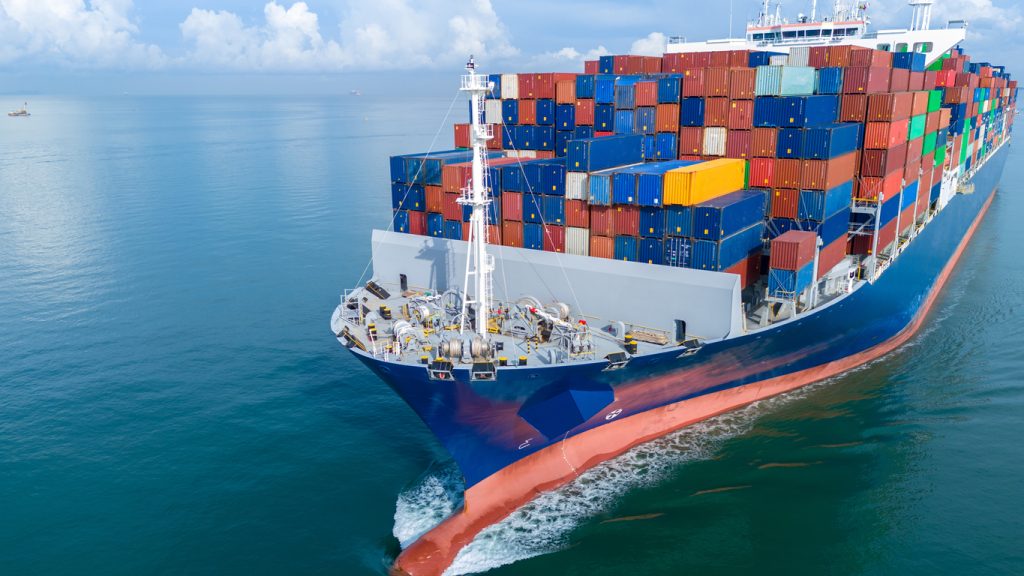
An international trade dispute in Nigeria refers to a conflict between a Nigerian importer/exporter and a foreign business partner (supplier, buyer, or logistics provider) over cross-border trade transactions. These disputes usually involve countries like China, Turkey, India, the UAE, or European trading partners and often arise during importation through ports such as Apapa Port, Tin Can Island Port, and Lekki Port.
In simple terms, it is a disagreement in international business about goods, payment, contracts, or delivery.
Common Types of International Trade Disputes
1. Goods Quality Disputes
- Products are below agreed standard
- Defective or substandard goods
- Counterfeit or fake items
2. Wrong or Incomplete Shipment
- Incorrect products shipped
- Missing cartons or partial delivery
- Wrong specifications or models
3. Payment Disputes
- Buyer claims non-delivery after payment
- Supplier claims non-payment after shipment
- Disputes over escrow or trade assurance
4. Contract Breach
- Failure to meet agreed terms
- Late delivery beyond contract timeline
- Change in agreed product specifications
5. Shipping and Logistics Disputes
- Delayed shipments
- Damaged cargo in transit
- Container loss or misrouting
6. Fraud or Misrepresentation
- Fake suppliers
- False product claims
- Disappearing trade partners after payment
Major Causes of International Trade Disputes in Nigeria
1. Weak Contract Agreements
Many disputes occur due to:
- Poorly written contracts
- Missing product specifications
- No penalty clauses
2. Lack of Supplier Verification
Importers may fail to confirm:
- Supplier legitimacy
- Factory existence
- Trade history
3. Poor Communication
Language barriers and unclear instructions lead to misunderstandings.
4. Lack of Trade Protection Systems
- No escrow payment
- No trade assurance
- Full upfront payment without safeguards
5. Inadequate Quality Control
No pre-shipment inspection before goods are shipped.
6. Logistics and Shipping Issues
- Port delays
- Cargo damage
- Container mix-ups
Effects of International Trade Disputes
1. Financial Loss
Importers may lose:
- Product cost
- Shipping fees
- Customs clearance expenses
2. Supply Chain Disruption
Leads to:
- Stock shortages
- Production delays
- Business downtime
3. Legal and Arbitration Costs
Disputes may require:
- International arbitration
- Legal representation abroad
- Settlement negotiations
4. Reputation Damage
Affects:
- Business credibility
- Customer trust
- Supplier relationships
5. Delayed Market Operations
Goods may be stuck in:
- Ports
- Warehouses
- Customs inspection units
Common Scenarios in Nigeria
- Importer receives wrong goods from China after payment
- Container held at Apapa due to documentation mismatch
- Supplier refuses replacement after dispute
- Buyer and supplier disagree over product quality standards
How to Prevent International Trade Disputes
1. Strong Contract Agreements
Include:
- Clear product specifications
- Delivery timelines
- Quality standards
- Penalties for breach
2. Supplier Verification
Check:
- Company registration
- Factory audit reports
- Verified trade platforms
3. Use Trade Protection Systems
Such as:
- Alibaba Trade Assurance
- Escrow services
- Letter of Credit (LC)
4. Pre-Shipment Inspection
Ensure independent inspection before goods leave origin country.
5. Sample Approval
Confirm product quality before bulk production.
How to Resolve Trade Disputes
1. Gather Evidence
- Contracts
- Photos/videos
- Shipping documents
- Payment records
2. Communicate with Supplier
Attempt negotiation for:
- Refund
- Replacement
- Compensation
3. Use Platform Dispute Resolution
If trade was online:
- Open dispute case
- Submit evidence
4. Arbitration or Legal Action
Used for high-value or unresolved disputes.
5. Settlement Agreement
Common outcomes include:
- Partial refund
- Replacement shipment
- Discount on future orders
Role of Insurance
Cargo insurance may cover:
- Physical loss or damage during transit
- Theft or destruction
However, contractual or commercial disputes are generally not covered.
How Travo.ng Supports Trade and Logistics in Nigeria
International trade disputes often affect logistics after goods arrive or when replacements are arranged.
Travo.ng supports businesses across Nigeria through:
- Cargo pickup from Apapa, Tin Can, and Lekki ports
- Nationwide transportation services
- Interstate logistics coordination
- Commercial cargo delivery
- Distribution support for businesses
- Last-mile delivery solutions
Efficient logistics helps businesses recover faster after trade disruptions.
Final Insight
International trade disputes in Nigeria are usually caused by weak contracts, poor verification, lack of quality control, and communication gaps between global trading partners. These disputes can lead to major financial and operational losses, but they can be reduced through proper due diligence, trade protection systems, and structured agreements.
