


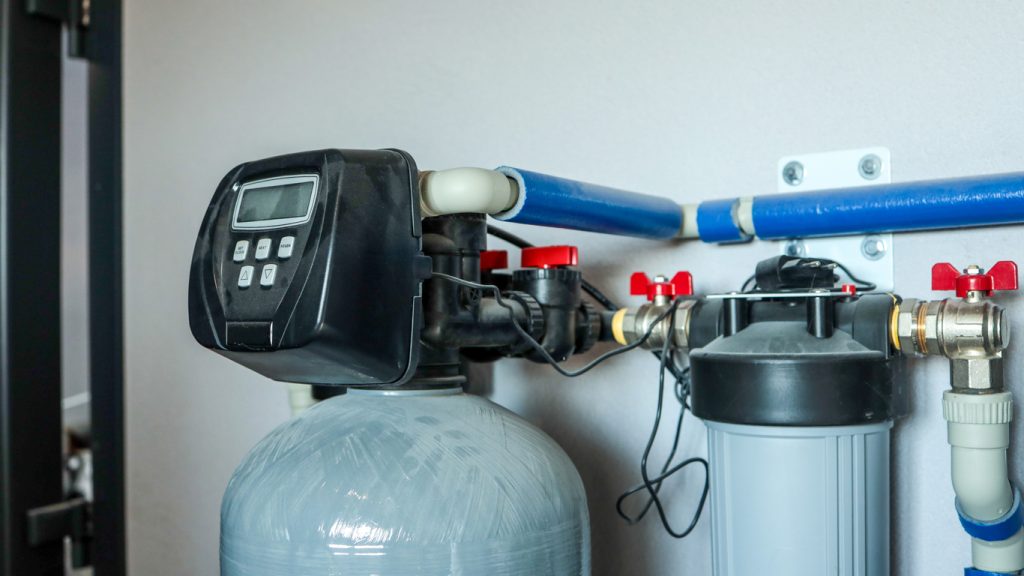
Getting clean water regularly can be frustrating in Nigeria, especially when boreholes stop working, electricity becomes unreliable, or water suppliers fail to deliver on time. For households and businesses that depend on a steady supply, a water subscription in Nigeria offers a more organised way to manage water needs without arranging emergency deliveries every few days.
Instead of waiting until your tank runs dry, a subscription arrangement allows you to plan regular water deliveries based on your consumption, location, and preferred schedule.
In busy cities like Lagos, Abuja, and Port Harcourt, scheduled water supply can help households, offices, restaurants, and commercial facilities manage daily operations with fewer interruptions.
How Water Subscription Services Work in Nigeria
A water subscription is a recurring supply arrangement where customers receive water at agreed intervals rather than placing separate orders whenever they run out.
Depending on the supplier, deliveries may be scheduled weekly, twice monthly, or according to actual consumption.
For example, a family living in Lekki might require regular tank refills because their estate experiences inconsistent water supply. Meanwhile, a restaurant in Ikeja may need more frequent deliveries to support cooking, cleaning, and daily operations.
A typical subscription arrangement involves:
- Selecting the quantity and type of water required.
- Confirming the delivery address and accessibility.
- Choosing a weekly or monthly delivery schedule.
- Agreeing on payment terms and delivery charges.
- Monitoring consumption and adjusting future deliveries.
The important thing is choosing a schedule that matches actual usage rather than paying for more water than necessary.
What Does a Water Subscription in Nigeria Cost?
Water subscription prices vary considerably depending on location, water quality, quantity, transportation distance, and delivery frequency.
For households using tanker water, suppliers may charge per delivery or offer negotiated rates for recurring orders.
Businesses requiring larger volumes may negotiate monthly supply agreements.
Before committing, request a quotation covering the water itself, transportation, pumping, and any additional handling charges.
For instance, delivering water to an easily accessible property in Ikeja may cost less than reaching a development in Ibeju-Lekki with difficult road access.
Customers should also confirm whether prices can change when fuel costs increase.
Choosing the Right Water Delivery Schedule
One mistake households make is waiting until their storage tank is almost empty before requesting another delivery.
This becomes particularly risky during periods of heavy rainfall, road flooding, or fuel shortages.
A better approach is to calculate average daily consumption.
If a household uses approximately 500 litres daily, a 5,000-litre tank provides roughly ten days of supply under normal conditions.
However, maintaining a reserve is advisable.
For businesses, consumption may change significantly depending on customer traffic, operating hours, and seasonal demand.
Restaurants, laundries, hotels, and construction sites should review their water requirements regularly to avoid unexpected shortages.
Water Quality Should Never Be an Afterthought
Reliable delivery means little if the supplied water is unsuitable for its intended purpose.
Before subscribing, ask the provider about the water source, treatment process, and quality testing.
Water intended for drinking or food preparation requires appropriate treatment and verification of its safety.
Water used for construction, landscaping, or certain cleaning activities may have different quality requirements.
Customers should also inspect storage tanks regularly. Even properly treated water can become contaminated when stored in dirty or poorly covered tanks.
Managing Regular Water Deliveries With Travo.ng
Coordinating recurring deliveries requires proper scheduling, transport arrangements, and communication between customers and suppliers.
Travo.ng offers logistics and delivery coordination services that can support businesses and households managing recurring supply requirements.
For customers exploring water subscription in Nigeria, Travo.ng can be a practical point of contact for discussing suitable delivery logistics and transport arrangements, subject to service availability.
Businesses handling multiple locations may also benefit from coordinated deliveries instead of arranging transportation independently for every supply requirement.
Customers should confirm water sourcing, quality responsibilities, delivery capacity, and subscription availability before making payment.
Avoiding Common Problems With Monthly Water Supply
Before agreeing to a recurring water delivery arrangement, clarify what happens when deliveries are delayed or consumption increases unexpectedly.
Ask whether additional deliveries can be arranged, how cancellations work, and whether unused prepaid deliveries can be rescheduled.
For apartment buildings and commercial properties, confirm that delivery vehicles can enter the premises and that the available pumping equipment can reach the storage tank.
These small operational details often determine whether a subscription works smoothly.
Plan Your Water Supply Before the Next Shortage
A dependable water subscription in Nigeria should make daily life easier, not introduce another recurring expense without clear value.
Choose a supplier that communicates properly, provides suitable water quality, and offers delivery schedules that reflect your actual needs.
For households and businesses looking to simplify recurring supply logistics, Travo.ng can help with relevant transport and delivery coordination enquiries.
Planning ahead gives you more control over water availability, delivery arrangements, and operating costs.
