


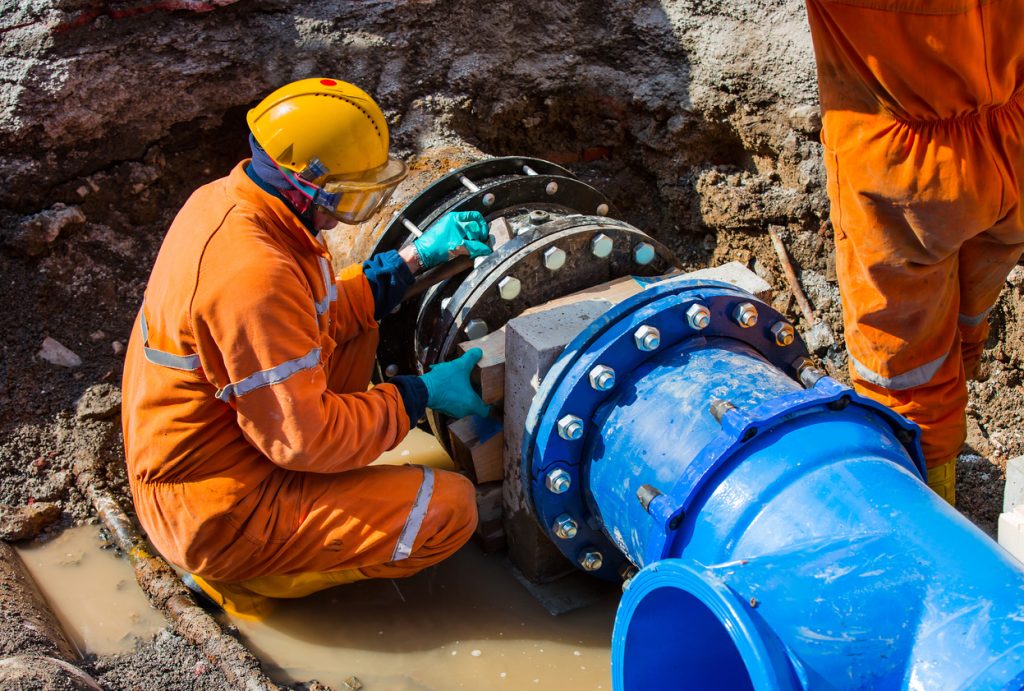
A borehole can produce clean water today and stop working tomorrow because of a damaged pump, electrical fault, or blocked pipe. For households, schools, estates, and businesses that depend on a single water source, even a short breakdown can disrupt daily activities.
Proper water point maintenance in Nigeria helps prevent these problems by keeping boreholes, public taps, hand pumps, and other water supply facilities in good working condition.
In cities like Lagos, Abuja, Port Harcourt, and Ibadan, water infrastructure faces challenges ranging from unstable electricity to heavy daily usage. Regular inspection, timely repairs, and reliable access to replacement parts make a significant difference.
For organisations managing several water facilities, Travo.ng can support the logistics involved in transporting maintenance equipment, delivering spare parts, and coordinating movement between service locations.
What Usually Causes Water Points to Break Down?
Most water facilities do not fail without warning. Small problems often develop over time until the entire system stops functioning.
Common causes include:
- Pump failure: Continuous operation, overheating, or worn components can damage pumping equipment.
- Electrical problems: Voltage fluctuations and poor wiring can affect borehole motors and control panels.
- Blocked pipes: Sand, sediment, and mineral deposits can restrict water flow.
- Leaking connections: Damaged valves and pipes waste water and reduce pressure.
- Poor servicing: Equipment deteriorates faster when routine inspections are ignored.
For example, an estate in Lekki operating a borehole throughout the day may experience pump wear faster than a smaller residential property with limited daily consumption.
Identifying these issues early can prevent expensive emergency repairs.
How Often Should Water Point Maintenance in Nigeria Be Done?
Maintenance frequency depends on the type of water facility, its age, water quality, and daily usage.
A practical inspection schedule includes:
| Maintenance activity | Suggested frequency |
|---|---|
| Check taps, leaks, and water pressure | Weekly |
| Inspect pump operation and unusual noises | Monthly |
| Examine electrical connections | Every 3 months |
| Inspect tanks, valves, and pipework | Every 3–6 months |
| Conduct water quality testing | Based on risk and applicable standards |
| Arrange comprehensive technical servicing | Every 6–12 months |
These are general planning intervals. High-use facilities or systems showing signs of damage may require more frequent attention.
Water testing is particularly important because a functioning pump does not automatically mean the water is safe for drinking.
Maintaining Boreholes in Lagos and Other Busy Cities
Urban water systems face operational challenges that require careful planning.
In Lagos, facilities serving apartment buildings, hotels, restaurants, and commercial properties may operate for extended periods because municipal water availability varies between locations.
Power interruptions can also affect pumping systems, particularly where generators or inverter systems provide backup electricity.
Maintenance teams should inspect electrical protection devices, monitor pump performance, and check storage tanks for contamination.
Access is another concern. Moving heavy pumps, pipes, or maintenance tools through congested areas such as Ikeja, Victoria Island, and Lekki can delay repairs.
Arranging equipment delivery before technicians arrive helps reduce unnecessary waiting time.
What Does Water Point Maintenance Cost in Nigeria?
Maintenance costs depend on the equipment, fault, location, and replacement parts required.
A basic inspection generally costs less than replacing a submersible pump or repairing damaged underground pipes.
Expenses may include:
- Technician inspection and labour charges
- Pump servicing or replacement
- Electrical repairs and control panel components
- Pipe fittings, valves, and plumbing materials
- Water quality testing
- Transportation of technicians and equipment
For facilities outside major cities, transportation and spare-part availability can increase the total cost.
Requesting an itemised quotation before approving repairs helps property managers understand the expenses and avoid unexpected charges.
How to Prevent Repeated Water Supply Breakdowns
A good maintenance plan should focus on preventing failures rather than responding only when water stops flowing.
Start by keeping a record of equipment installations, previous repairs, and recurring faults.
Facility managers should also establish clear reporting procedures so residents, workers, or community members can report unusual pump sounds, leaking taps, and reduced water pressure.
For schools and public water facilities, assigning someone to conduct routine visual inspections can help identify problems before they become serious.
Where several boreholes serve different locations, scheduling maintenance visits together may reduce transport costs and technician downtime.
Getting Maintenance Equipment to Water Facilities Faster
Repair work often gets delayed because the required materials are unavailable when technicians reach the site.
A technician working on a borehole in Gwarinpa, for example, may discover that a replacement valve or electrical component must be collected from another part of Abuja.
For water projects operating across multiple communities, these delays become more complicated.
Travo.ng can help businesses, facility managers, and water infrastructure operators arrange relevant logistics support, including courier deliveries, cargo movement, vehicle hire, and transport coordination.
This is particularly useful when moving pumps, plumbing supplies, maintenance tools, or replacement components between suppliers and repair locations.
Technical diagnosis and water-system repairs should still be handled by qualified maintenance professionals.
Keep Your Water Facilities Running With Better Maintenance Planning
Reliable water supply depends on more than installing a borehole or storage tank. Regular inspections, proper servicing, water quality monitoring, and quick access to replacement parts all contribute to long-term performance.
For property owners, businesses, schools, and community water projects, investing in preventive maintenance can reduce breakdowns and improve daily water availability.
When repairs require equipment transportation or coordinated deliveries, Travo.ng provides practical logistics and transport support to help maintenance teams obtain the materials they need.
Plan your water facility maintenance properly and arrange dependable equipment delivery and transport support with Travo.ng.
