


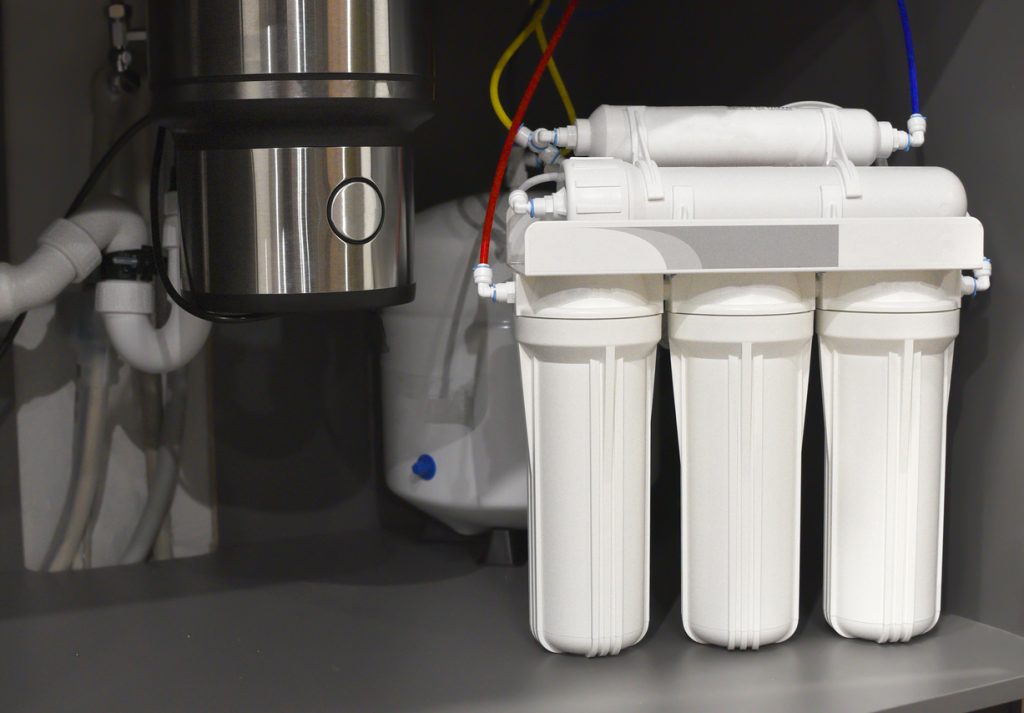
Access to clean water remains a daily concern for many Nigerian households and businesses. Even in areas with boreholes, water may contain sediments, dissolved minerals, unpleasant odours, or microorganisms that make it unsuitable for certain uses.
Investing in water filtration in Nigeria can help improve water quality, protect household appliances, and reduce dependence on expensive packaged water.
However, choosing the right filtration system requires more than purchasing a water filter. The source of your water, its quality, daily consumption, and maintenance costs all determine which treatment method will work.
For households and businesses that also need dependable water supply arrangements, Travo.ng can support the delivery and logistics involved in keeping water available.
Common Water Problems in Nigerian Homes
Water quality varies significantly across Nigeria. A borehole serving a residential building in Lekki may produce water with different characteristics from one in Ikeja, Abuja, or Port Harcourt.
Some common problems include:
- Brown or reddish water: Often associated with iron, rust, or suspended particles.
- Unpleasant smells: May indicate hydrogen sulphide, organic contamination, or other water quality problems.
- Hard water: High mineral content can cause scale buildup in kettles, pipes, and water heaters.
- Cloudy water: May contain sand, clay, or other suspended materials.
- Microbial contamination: Bacteria and other pathogens may enter water through poorly protected boreholes, storage tanks, or distribution pipes.
Not every water problem can be identified by appearance or smell. Clear water may still contain harmful contaminants.
Testing water before selecting treatment equipment is therefore essential.
Choosing the Right Water Filtration System in Nigeria
Different filtration technologies solve different problems. Installing an unsuitable system can waste money without making the water safe.
Sediment Filtration for Borehole Water
Sediment filters remove suspended particles such as sand, rust, and dirt.
They are particularly useful where borehole water carries visible particles or where storage tanks accumulate sediment.
However, sediment filters alone do not reliably remove dissolved chemicals or disease-causing microorganisms.
Activated Carbon Filters
Activated carbon filtration can improve taste and reduce certain odours and organic contaminants.
These filters are commonly used in household water treatment systems, sometimes alongside other filtration stages.
Their effectiveness depends on the specific contaminants present and the filter’s design.
Reverse Osmosis Water Treatment
Reverse osmosis systems use specialised membranes to reduce many dissolved salts and other contaminants.
They can be useful where water testing identifies excessive dissolved minerals or particular chemical contaminants.
However, reverse osmosis equipment requires appropriate pretreatment, maintenance, and management of wastewater.
UV Water Disinfection
Ultraviolet treatment can inactivate many microorganisms when the equipment is properly designed and the water is sufficiently clear.
Unlike some filtration methods, UV treatment does not remove dissolved minerals or sediment.
For drinking water, combining appropriate filtration and disinfection may be necessary.
What Water Filtration in Nigeria Actually Costs
The cost of installing a water filtration system depends on the treatment capacity, water quality, equipment specifications, and installation requirements.
A small under-sink drinking water filter will generally cost less than a complete treatment plant serving an apartment building, hotel, or factory.
Before accepting an installation quotation, check whether it includes:
- Water quality testing
- Filtration equipment and accessories
- Installation labour and plumbing modifications
- Replacement cartridges or treatment media
- Electricity and pumping requirements
- Scheduled maintenance
For example, an apartment building in Lekki using borehole water may require iron removal, sediment filtration, and additional treatment depending on laboratory results.
A household using municipal water may need a different arrangement.
The cheapest installation is not necessarily the most economical. Frequent cartridge replacement, unreliable pumps, and neglected maintenance can increase long-term expenses.
Water Filtration for Restaurants, Hotels and Offices
Commercial facilities often have more demanding water requirements than individual households.
Restaurants need suitable water for food preparation, equipment cleaning, and customer consumption.
Hotels must consider water quality across guest bathrooms, kitchens, laundry operations, and storage facilities.
Offices also need reliable drinking water and adequate supplies for sanitation.
For these businesses, water treatment should be planned around daily demand and peak consumption.
A hotel in Victoria Island, for example, may experience increased water consumption during conferences or large events. Its treatment and storage capacity should accommodate those periods.
Businesses should also establish maintenance schedules and arrange periodic water testing rather than waiting until customers complain.
Managing Water Supply Alongside Filtration
A filtration system cannot solve water shortages when the original supply becomes unavailable.
This is a practical challenge for properties that depend on boreholes, private water suppliers, or storage tanks.
During pump failures, power interruptions, or maintenance work, businesses may need temporary water deliveries to continue operating.
Travo.ng provides logistics and delivery coordination that can support water supply arrangements where suitable suppliers and transport options are available.
For property managers, restaurants, and commercial facilities, planning deliveries ahead of expected shortages can reduce disruption.
Storage tanks should also be cleaned and maintained appropriately. Even properly treated water can become contaminated when stored in poorly maintained tanks.
Mistakes to Avoid When Installing Water Filters
One common mistake is buying filtration equipment without first testing the water.
Another is assuming that a filter producing clear water automatically makes it safe for drinking.
Other avoidable problems include using undersized equipment, ignoring filter replacement schedules, and installing systems without adequate technical support.
Before purchasing, request a water analysis from a competent laboratory and ask the installer to explain exactly which contaminants the proposed system is designed to address.
After installation, follow the recommended maintenance schedule and conduct appropriate follow-up testing to confirm treatment performance.
Getting Reliable Water Treatment and Supply Support
Effective water filtration in Nigeria begins with understanding the actual water problem.
Whether you manage a family home in Abuja, an apartment building in Lagos, or a hospitality business in Port Harcourt, proper testing, suitable treatment equipment, and consistent maintenance are essential.
Water supply planning is equally important, especially for businesses that cannot afford extended interruptions.
Travo.ng can help with relevant delivery coordination, transport arrangements, and business logistics support when additional water supply or equipment movement is required.
Contact Travo.ng to discuss practical delivery and logistics arrangements that support your water supply needs.
