


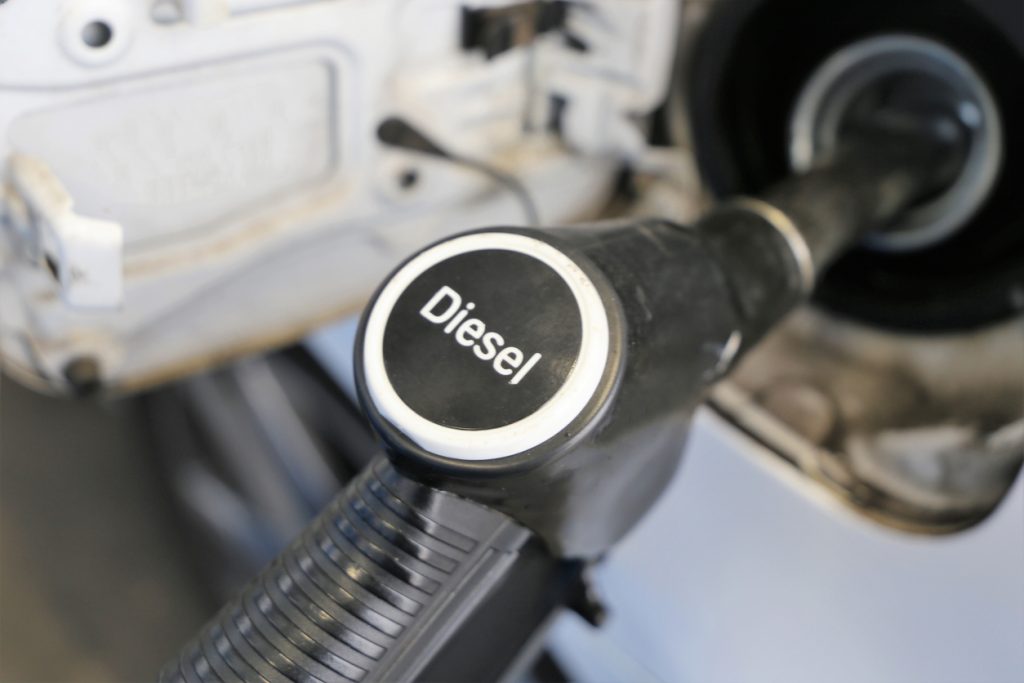
Diesel, also known as Automotive Gas Oil (AGO), is one of the most important fuels powering Nigeria’s economy. It is widely used by transport companies, logistics providers, manufacturers, construction firms, farms, hospitals, and businesses that rely on generators for electricity.
If you’re searching for the price of diesel today, here’s the latest information on diesel prices in Nigeria, what influences them, and how businesses can manage fuel costs.
Current Diesel Price in Nigeria
As of July 2026, the average retail price of diesel in Nigeria is approximately:
- ₦1,440 – ₦1,600 per litre
The national average is around ₦1,442.50 per litre, although prices vary depending on the state, supplier, and purchase volume.
Why Diesel Prices Vary
Diesel prices are not uniform across Nigeria. They are influenced by several factors, including:
- Location and transportation costs
- Depot and refinery pricing
- Supply and demand
- Exchange rate fluctuations
- Global crude oil prices
- Distribution and storage costs
Businesses purchasing diesel in bulk may also receive different pricing from retail buyers.
Industries That Depend on Diesel
Diesel is essential for many sectors of the Nigerian economy, including:
- Logistics and transportation
- Manufacturing
- Construction
- Agriculture
- Healthcare
- Telecommunications
- Mining
- Hospitality
- Commercial power generation
Reliable access to diesel helps businesses maintain operations, especially where alternative power sources are limited.
How Rising Diesel Prices Affect Businesses
Changes in diesel prices can lead to:
- Higher transportation costs
- Increased delivery charges
- Rising production expenses
- Higher operating costs for businesses
- Increased prices of goods and services
Companies that depend heavily on logistics and generator power often monitor diesel prices closely when planning budgets.
Tips for Managing Diesel Costs
Businesses can reduce fuel-related expenses by:
- Planning efficient delivery routes
- Maintaining vehicles and generators regularly
- Monitoring diesel price trends
- Buying from reputable suppliers
- Reducing unnecessary fuel consumption
- Scheduling preventive equipment maintenance
These practices help improve fuel efficiency and reduce operating costs.
How Travo.ng Helps Businesses Navigate Rising Fuel Costs
As diesel prices fluctuate, efficient logistics become even more important. Travo.ng supports businesses with dependable transportation and logistics solutions, including:
- Nationwide pickup and delivery
- Inter-state logistics
- Cargo transportation
- Last-mile delivery
- Corporate logistics
- Fleet transportation
- Commercial delivery services
- Business mobility solutions
By optimizing delivery routes and transportation planning, Travo.ng helps businesses move goods more efficiently despite changing fuel costs.
Why Choose Travo.ng?
Businesses choose Travo.ng because of its:
- Nationwide logistics network
- Reliable transportation services
- Professional cargo handling
- Flexible business solutions
- Customer-focused support
- Commitment to timely deliveries
Whether you’re transporting parcels, commercial goods, or managing regular business deliveries, Travo.ng provides dependable logistics solutions across Nigeria.
Conclusion
The price of diesel today in Nigeria continues to fluctuate based on refinery pricing, supply conditions, transportation costs, and global market trends. Staying informed about current diesel prices helps businesses manage operational expenses and plan logistics more effectively.
For reliable transportation, cargo movement, and nationwide logistics services, Travo.ng provides trusted solutions that help businesses operate efficiently regardless of fuel market changes.
