


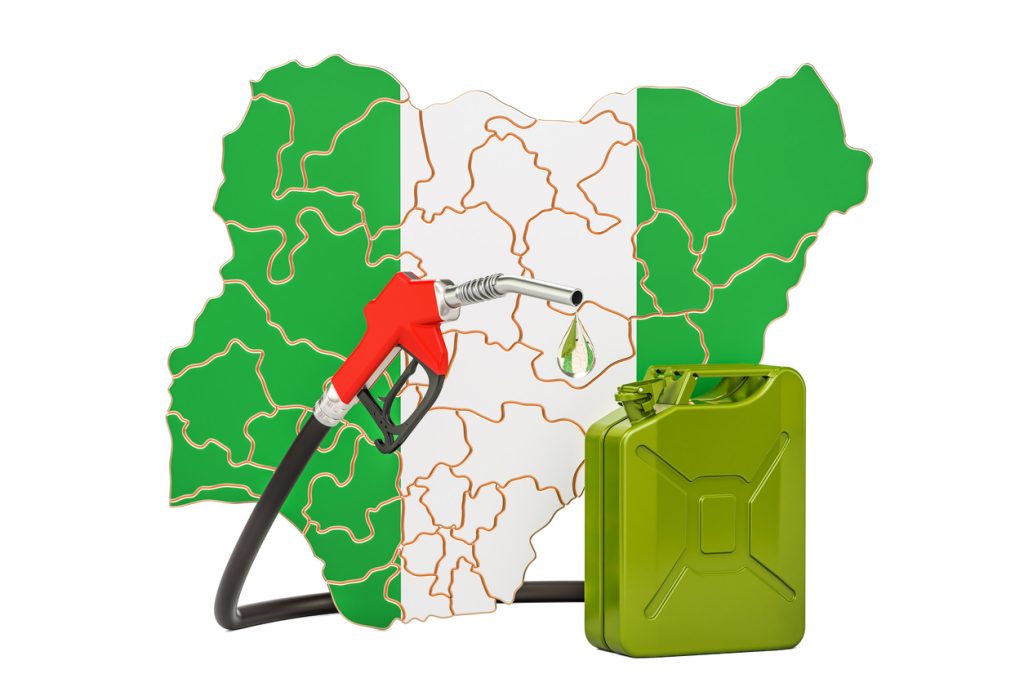
Managing fuel expenses is a serious challenge for Nigerian businesses that operate vehicles daily. Whether you run a delivery company in Lagos, manage interstate trucks, or coordinate staff transportation in Abuja, unpredictable fuel costs can affect your operating budget.
An NNPC fuel card in Nigeria may offer a more organised way to manage fuel purchases, depending on the card programme and its availability. Instead of relying entirely on cash payments, businesses can explore fuel payment arrangements that improve recordkeeping and spending control.
For companies managing several vehicles, understanding how these arrangements work is important before committing.
How an NNPC Fuel Card in Nigeria Could Work
Fuel cards are payment tools designed to simplify vehicle refuelling. Depending on the provider, they may allow authorised drivers to purchase fuel at participating stations while businesses monitor transactions.
However, businesses should confirm whether NNPC Retail currently offers a suitable fuel card programme, its eligibility requirements, and participating stations before applying.
Typical fuel card arrangements may include:
- Prepaid balances for controlled fuel spending.
- Transaction records showing fuel purchases.
- Spending limits for individual vehicles.
- Approved station networks.
- Centralised payment management for company fleets.
These features depend on the specific programme and should not be assumed to be available automatically.
Managing Fuel Expenses Across Lagos and Abuja
Consider a logistics company operating five delivery vans between Ikeja, Lekki, and Victoria Island.
Each driver purchases petrol independently, submits receipts, and requests reimbursement. Without proper records, management may struggle to identify unnecessary fuel expenses.
A structured fuel payment system can reduce administrative confusion.
For interstate operators moving goods between Lagos and Abuja, fuel planning becomes even more important. Drivers must consider journey distance, vehicle consumption, traffic delays, and available filling stations.
Businesses should also monitor actual fuel consumption rather than relying entirely on driver estimates.
What to Check Before Applying for a Fuel Card
Before choosing any fuel card provider, ask practical questions about daily operations.
Confirm the following:
- Whether the card works at stations along your regular routes.
- Whether purchases can be restricted to approved vehicles.
- Whether transaction reports are available.
- Whether administrative charges or minimum deposits apply.
- What happens when a card is lost or rejected.
A fuel card that works conveniently around Lagos but has limited acceptance along interstate routes may not suit a haulage business.
Always verify current programme conditions directly with the authorised provider.
Reducing Fuel Waste in Nigerian Transport Operations
Fuel cards alone cannot prevent excessive fuel consumption.
A vehicle travelling from Surulere to Lekki during heavy traffic may consume more fuel than expected, particularly when deliveries involve repeated stops.
Businesses should combine fuel payment controls with practical fleet management.
Useful measures include regular vehicle servicing, route planning, tyre pressure checks, and monitoring unnecessary engine idling.
Delivery schedules should also account for Lagos traffic rather than forcing drivers into inefficient journeys.
For larger fleets, comparing kilometres travelled against litres purchased can help identify unusual consumption patterns.
Get Practical Transport Support With Travo.ng
Businesses exploring an NNPC fuel card in Nigeria should also consider how their wider transport operations affect fuel spending.
Travo.ng provides transport coordination, delivery services, cargo logistics, and business logistics support for customers across Nigeria.
Whether you need scheduled deliveries within Lagos, interstate cargo movement, or vehicle hire arrangements, proper coordination can help reduce unnecessary trips and improve operational planning.
Fuel payment controls are useful, but efficient transportation remains equally important.
Contact Travo.ng to discuss practical logistics and transport arrangements that support better cost management for your business.
