


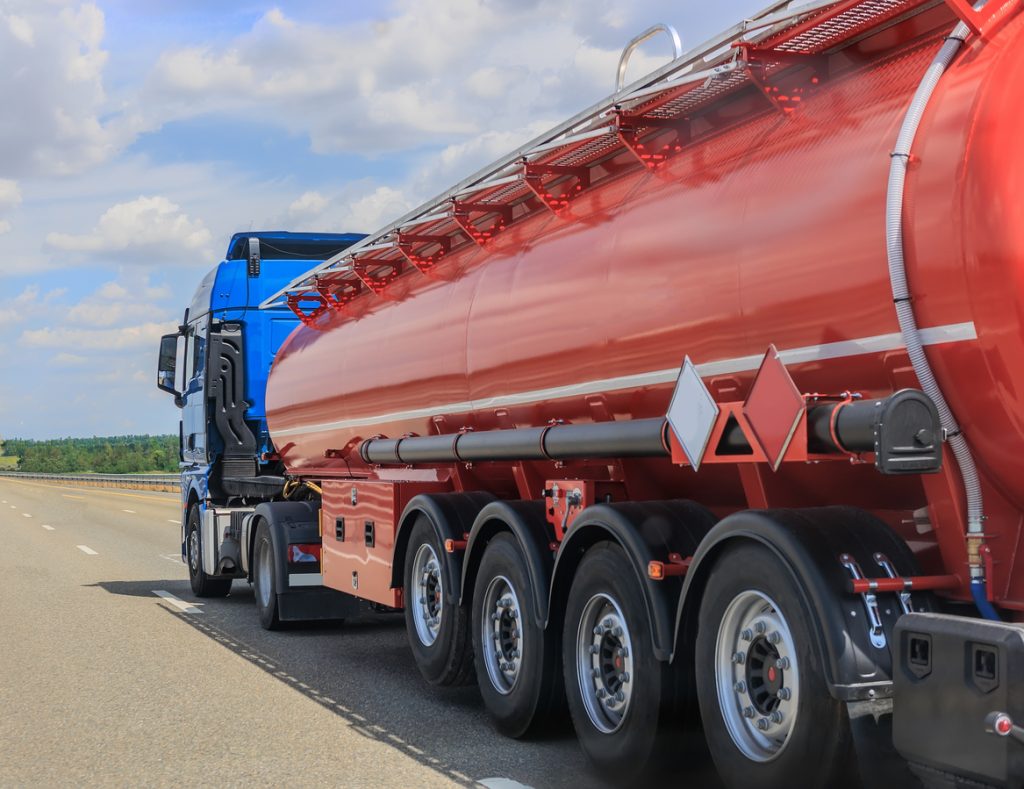
Marine LNG fuel logistics in Nigeria is becoming more important as vessel operators, energy companies, offshore service providers, and cargo businesses look for cleaner and more efficient fuel movement across Nigerian waters.
For many operators, the challenge is not just getting LNG. The real work is coordinating supply, storage, transport, timing, safety checks, port access, and last-mile delivery to the vessel or marine facility. In Nigeria, where port congestion, traffic delays, security concerns, and documentation issues can affect schedules, proper planning makes a big difference.
What Marine LNG Fuel Movement Really Involves
Moving LNG for marine use is not like sending regular diesel or general cargo. It requires tighter coordination because LNG must be handled under controlled conditions. A small delay at the port, wrong documentation, or poor vehicle scheduling can affect the entire operation.
In practical terms, marine LNG fuel logistics may involve:
- Coordinating fuel supply to ports and jetties
- Arranging specialised transport support
- Managing pickup and delivery timing
- Supporting vessel bunkering schedules
- Handling route planning around port traffic
- Coordinating with marine agents, drivers, and terminal contacts
For example, a vessel waiting around Apapa, Tin Can, Onne, Warri, or Calabar may need fuel support within a narrow operating window. If the logistics team misses that window, the operator may face extra waiting charges or schedule disruption.
Nigerian Routes and Port Realities to Plan For
In Nigeria, LNG-related marine logistics often connects with busy commercial corridors. Lagos remains one of the most active points because of Apapa and Tin Can Island, but operators also deal with Port Harcourt, Onne, Warri, Bonny, and Calabar depending on the vessel route or energy project.
The biggest issues usually come from:
- Lagos port traffic and truck access delays
- Security checks on long-distance routes
- Weather disruptions around coastal areas
- Limited availability of suitable transport assets
- Poor timing between fuel suppliers and vessel arrival
- Documentation delays at terminals or loading points
A delivery that looks simple on paper can become complicated if the truck leaves late, the vessel changes ETA, or access approval is not ready.
How Businesses Can Avoid Costly Delays
The best way to manage marine LNG fuel logistics in Nigeria is to plan backwards from the vessel schedule. Instead of waiting until the vessel arrives, operators should confirm fuel availability, transport arrangement, loading point, route, contact persons, and delivery window early.
Before moving LNG fuel, confirm:
- The exact pickup and delivery location
- Vessel arrival time and berth details
- Required safety and access documentation
- Transport availability and route condition
- Backup contact for night or weekend operations
- Estimated delivery cost and possible waiting charges
This is where working with a locally experienced logistics partner helps. Travo.ng supports logistics coordination, transport planning, cargo movement, courier support, and business delivery arrangements across Nigeria. For companies handling marine fuel, equipment, documents, or related cargo, having one team coordinate the movement can reduce stress and prevent missed timelines.
Typical Cost Factors to Expect
Pricing for marine LNG fuel logistics in Nigeria depends on more than distance. A Lagos port movement may cost differently from an interstate supply route to Onne or Warri because of vehicle type, safety needs, waiting time, access requirements, and urgency.
Common cost factors include:
- Distance between pickup and marine location
- Type of vehicle or logistics support required
- Port access and waiting time
- Security or escort needs
- Urgency of delivery
- Documentation and coordination requirements
- Weekend, night, or emergency scheduling
For related cargo, equipment, or document movements, businesses may also need same-day courier service, interstate delivery, or dedicated vehicle hire. Travo.ng can help arrange practical logistics support based on the actual job requirement rather than giving a one-size-fits-all estimate.
Where Travo.ng Fits Into the Process
Travo.ng is useful for businesses that need reliable coordination across travel, transport, delivery, cargo logistics, and booking support. In marine LNG operations, this may include arranging vehicle hire, coordinating movement of support equipment, managing urgent documents, booking hotel stays for technical teams, or organising airport pickups for visiting engineers and marine staff.
A marine fuel operation may need more than fuel delivery. The team may also need crew movement from the airport, hotel reservations near the port, dispatch riders for documents, or cargo delivery to a terminal. Travo.ng helps bring these moving parts together in a practical way.
Getting Marine LNG Fuel Logistics Right in Nigeria
Marine LNG fuel logistics in Nigeria requires planning, timing, local knowledge, and dependable coordination. The companies that manage it well are usually the ones that prepare early, understand port realities, and work with logistics partners that know Nigerian routes.
Whether you are coordinating vessel support in Lagos, moving cargo to Port Harcourt, arranging transport to Warri, or managing business logistics around a marine project, Travo.ng can help you plan and book the right support for the job.
