


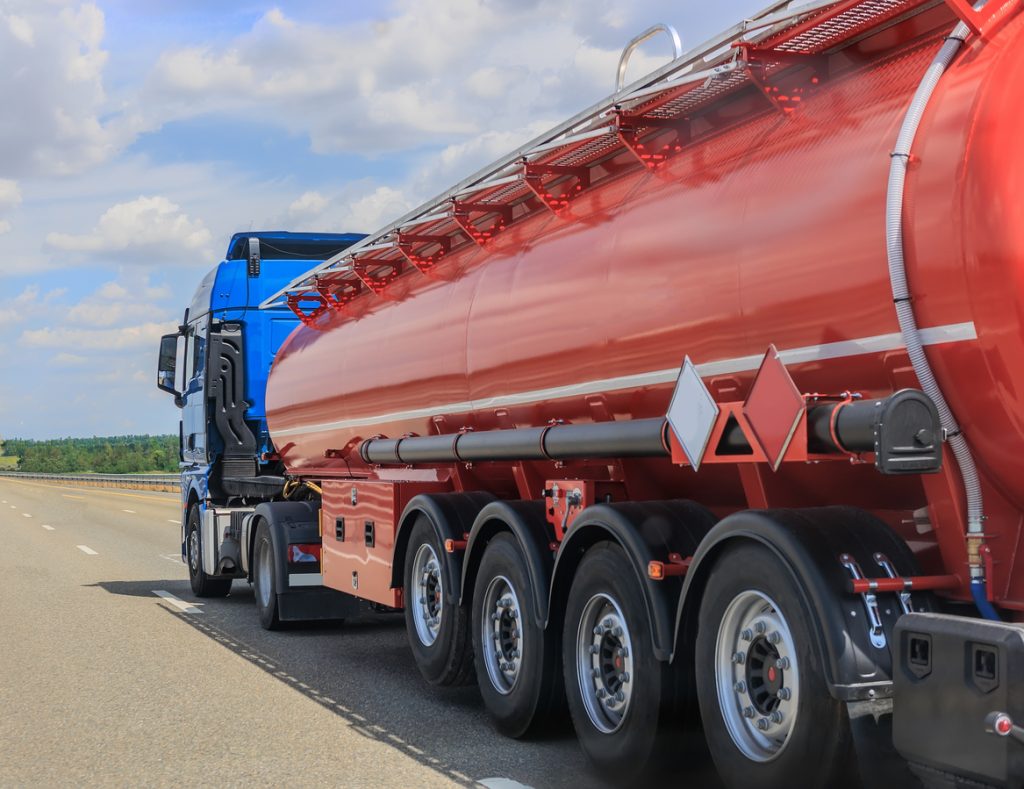
For many Nigerian businesses, fuel is not just an operating expense. It is what keeps production lines running, delivery vans moving, cold rooms active, telecom sites powered, and construction equipment working on schedule.
That is why industrial fuel supply logistics in Nigeria must be handled with proper planning, trusted coordination, and real knowledge of local transport conditions.
A late diesel delivery to a factory in Ogun, a hotel in Abuja, or a warehouse in Lagos can disrupt an entire day’s operation. At Travo.ng, the focus is not just moving fuel from one point to another. It is helping businesses arrange dependable fuel logistics that match their actual usage, location, timing, and safety needs.
What Makes Industrial Fuel Movement Different From Regular Delivery
Fuel logistics is more sensitive than normal parcel or cargo delivery. You are dealing with volume, safety, timing, route planning, and sometimes urgent operational pressure.
A company ordering diesel for generators in Lekki may need a quick same-day arrangement, while a construction site in Ibadan may need scheduled supply every few days. A manufacturing plant around Agbara or Sango Ota may require larger-volume coordination with proper documentation and reliable transport partners.
This is why industrial fuel delivery requires:
- Proper pickup and drop-off coordination
- Verified transport handling
- Clear communication with the site contact
- Awareness of traffic, road access, and delivery windows
- Practical planning for repeat supply
For businesses, the main concern is simple: fuel must arrive when promised.
Common Business Situations That Need Fuel Logistics Support
Across Nigeria, fuel logistics is often needed by companies that depend heavily on generators, fleet operations, or heavy-duty equipment.
Typical users include:
- Hotels and serviced apartments
- Factories and production companies
- Construction firms
- Logistics and transport businesses
- Event venues
- Schools, hospitals, and religious centres
- Warehouses and cold-chain businesses
- Telecom and facility management companies
For example, a hotel in Victoria Island may need diesel before weekend occupancy increases. A logistics company in Ikeja may need fuel support for fleet movement. A construction project along the Lagos-Ibadan corridor may need fuel delivered early before machines start work.
These are not situations where businesses want guesswork. They need a logistics partner that understands timing and coordination.
Planning Fuel Supply Around Nigerian Road Realities
One mistake many businesses make is assuming fuel delivery timing works like ordinary dispatch. In reality, road conditions can change quickly.
A delivery within Lagos may be delayed by Apapa traffic, Lekki toll congestion, rain, or tanker movement restrictions. Interstate fuel movement from Lagos to Abuja, Port Harcourt, Benin, or Kano requires even more planning because road safety, driver availability, and loading schedules all matter.
For smoother industrial fuel supply logistics in Nigeria, businesses should plan around:
- Early morning delivery windows where possible
- Clear access instructions for trucks or vans
- Accurate volume estimates
- Backup timing for urgent operational needs
- A reliable contact person at the receiving location
This helps reduce waiting time, failed delivery attempts, and unnecessary cost.
What Industrial Fuel Logistics May Cost in Nigeria
Fuel logistics pricing can vary depending on distance, volume, urgency, vehicle type, and route difficulty.
A local delivery within Lagos may cost less than moving fuel to Ogun, Oyo, Abuja, or Port Harcourt. Urgent same-day coordination may also attract higher handling costs than scheduled supply.
Businesses should expect cost factors such as:
- Pickup location
- Delivery location
- Quantity of fuel
- Distance and road condition
- Loading and offloading requirements
- Frequency of supply
Instead of relying on rough estimates, it is better to request a proper quote based on the exact route and operational need.
How Travo.ng Helps Businesses Coordinate Fuel Logistics
Travo.ng supports businesses that need practical logistics coordination across Nigeria, including industrial supply movement, cargo logistics, transport coordination, business delivery support, and related mobility services.
For fuel-related logistics, Travo.ng can help customers arrange movement with attention to route planning, timing, communication, and delivery coordination.
This is useful for businesses that do not want to chase multiple vendors, drivers, and transport contacts every time they need supply. A coordinated approach saves time and reduces operational stress.
Where needed, businesses can also use Travo.ng for related services such as vehicle hire, cargo movement, relocation logistics, airport pickup coordination, hotel reservations, and business travel support.
Mistakes Businesses Should Avoid When Arranging Fuel Delivery
Many fuel logistics problems come from poor planning rather than lack of supply.
Common mistakes include:
- Waiting until the tank is almost empty before ordering
- Giving unclear delivery addresses
- Failing to confirm access for delivery vehicles
- Not assigning someone to receive the supply
- Ignoring traffic-heavy periods
- Using unreliable transport contacts for urgent movement
A better approach is to schedule supply before operations become critical, especially for businesses that use diesel daily.
A More Reliable Way to Manage Industrial Fuel Supply
Industrial fuel supply logistics in Nigeria works best when it is planned, coordinated, and handled by people who understand local movement challenges.
Whether your business operates in Lagos, Abuja, Ogun, Rivers, Oyo, Edo, or other commercial locations, the goal is the same: keep operations running without fuel-related disruption.
Travo.ng gives businesses a practical way to arrange logistics, transport, delivery, and mobility support without unnecessary back-and-forth.
For companies that depend on steady fuel supply, proper logistics coordination is not optional. It is part of protecting daily operations.
