


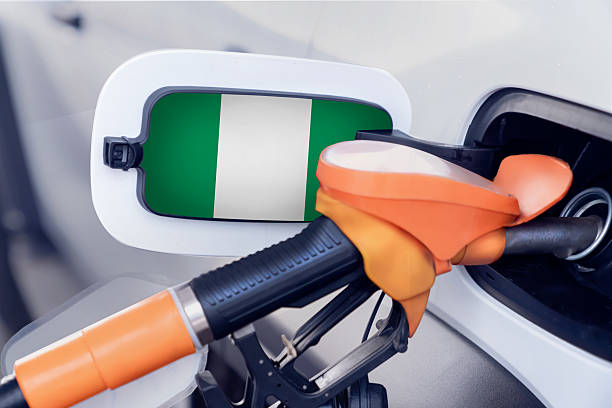
For many Nigerian businesses, diesel is no longer just another operating expense. When a business depends on generators, delivery vehicles, buses, trucks or other diesel-powered equipment, fuel costs can quickly take a large share of the monthly budget.
The challenge is that simply buying less diesel is not always the answer. A business still needs to keep its office running, deliver orders and move people or goods on schedule.
The better approach is to reduce diesel cost in Nigeria by controlling unnecessary fuel consumption and making smarter decisions about transport and logistics.
Start by tracking where the diesel is actually going
Before cutting fuel expenses, find out what is consuming the most diesel.
For a business, this could include:
- Generators running longer than necessary
- Delivery vehicles making poorly planned trips
- Drivers idling in traffic or while waiting for customers
- Trucks returning empty after deliveries
- Multiple vehicles covering routes that could be combined
- Poor vehicle maintenance increasing fuel consumption
A simple weekly fuel record can reveal patterns that are easy to miss when expenses are only reviewed at the end of the month.
For example, a company making several deliveries across Lagos may discover that separate trips to Lekki, Ikeja and the mainland are creating unnecessary mileage. Better route planning can reduce both fuel consumption and driver time.
Combine deliveries instead of sending vehicles out repeatedly
One of the practical ways to reduce diesel expenses is to organise deliveries around routes rather than individual orders.
Suppose a business receives five customer orders going to different parts of Lagos. Sending a vehicle out five separate times may be convenient, but it can become expensive because of traffic, fuel and driver hours.
Where delivery deadlines allow, businesses can group orders going in similar directions and schedule them together.
This is particularly useful for businesses handling regular customer deliveries, stock transfers or movement between branches.
Travo.ng can also support businesses that need delivery and logistics coordination, particularly when arranging transport themselves becomes inefficient.
Plan around Nigerian traffic, not just distance
A route that looks short on a map can consume a surprising amount of diesel.
Lagos is a good example. A relatively short trip can take much longer during peak periods because of congestion around major roads and business districts.
For regular business deliveries, route planning should consider:
- Expected traffic at different times
- Multiple stops on the same route
- Road conditions
- Loading and unloading time
- Customer delivery windows
- Whether a return journey can carry another load
Reducing unnecessary idling and avoiding poorly planned routes can make a noticeable difference over several weeks.
Maintain vehicles properly
Fuel efficiency is also affected by the condition of a vehicle.
Issues such as under-inflated tyres, poor engine maintenance, blocked filters and other mechanical problems can increase fuel consumption.
Businesses operating delivery vehicles should therefore treat routine maintenance as part of their fuel-saving strategy rather than waiting until a vehicle develops a serious fault.
It is also useful to monitor fuel consumption by vehicle. If two similar vehicles regularly cover comparable distances but one consistently consumes much more diesel, that difference deserves investigation.
Know when outsourcing transport makes more sense
Owning or maintaining a vehicle does not automatically make every delivery cheaper.
A business has to account for diesel, servicing, tyres, insurance, driver costs, repairs and downtime. For occasional deliveries, hiring transport or using a logistics provider may be more economical than running a company vehicle.
This can be particularly relevant for smaller businesses that do not have enough deliveries to keep their vehicles efficiently utilised.
Instead of asking only, “How much diesel will this trip require?”, consider the total cost of completing the delivery.
Reduce generator fuel waste
For businesses that depend heavily on diesel generators, operating discipline matters.
Generators should not run unnecessarily when power demand is low or when another available power source can handle part of the load. Businesses can also monitor daily running hours and compare them with actual electricity needs.
If diesel consumption suddenly increases without a corresponding increase in operating hours, equipment performance should be checked.
The goal is not simply to run the generator for fewer hours. It is to make sure every hour of generator operation is actually necessary.
Small changes can make a significant difference
There is no single solution for reducing diesel expenses in Nigeria. The biggest savings often come from combining several small improvements: better route planning, fewer unnecessary trips, vehicle maintenance, delivery consolidation and closer monitoring of fuel usage.
For businesses moving people, products or documents regularly, efficient logistics can also reduce the amount of fuel being consumed in the first place.
Travo.ng provides delivery, cargo logistics, transport coordination and other mobility services that businesses can use when managing every trip internally is becoming costly or difficult.
Reducing diesel cost is ultimately about making every trip and every hour of fuel count.
