


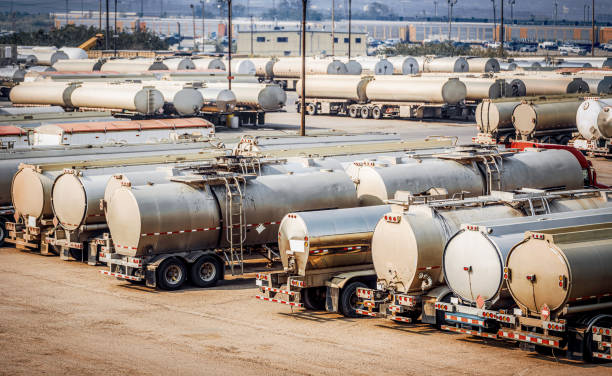
Generator fuel analytics helps businesses monitor how much diesel or petrol their generators consume and understand whether that usage matches their actual power needs. This is especially useful for businesses in Nigeria that rely on generators during power interruptions.
Instead of only recording how many litres were purchased, fuel analytics looks at generator runtime, fuel consumption, load levels, refuelling records and operating patterns.
How generator fuel analytics works
A proper generator fuel analytics system can track:
- Fuel purchased and litres added
- Generator running hours
- Fuel consumed per hour
- Generator load level
- Refuelling frequency
- Estimated fuel remaining
- Operating costs
- Unusual changes in consumption
For example, if a generator normally consumes 8 litres per hour but suddenly starts using 11 litres under similar conditions, the difference can be investigated instead of going unnoticed.
Why businesses track generator fuel usage
Generator fuel can become a major operating expense for offices, hotels, factories, hospitals, warehouses, shops and other businesses that depend on backup power.
In Lagos, Abuja, Port Harcourt and other Nigerian cities, businesses may operate generators for different lengths of time depending on electricity availability. Fuel analytics helps management understand exactly how much power generation is costing.
It can also make monthly budgeting more accurate because fuel requirements can be estimated from actual operating data rather than guesswork.
Measuring fuel consumption per running hour
One of the simplest generator analytics measurements is litres consumed per running hour.
If a generator runs for 100 hours and consumes 800 litres of diesel, its average consumption is 8 litres per hour.
However, the figure should not be viewed alone. Generator size, electrical load, engine condition and operating conditions can all affect consumption.
A generator running at a very low load for long periods may also have different efficiency characteristics from one operating closer to its normal working load.
Detecting unusual fuel consumption
Fuel analytics can help identify sudden changes in generator performance.
A business may notice that the same generator is consuming significantly more fuel than it did during previous months. Possible causes could include maintenance problems, changing load requirements, fuel quality issues or inaccurate refuelling records.
If the generator is being operated at a site where several staff members handle fuel, consistent digital records can also make discrepancies easier to investigate.
Generator fuel analytics for multiple locations
Businesses operating branches in Lagos, Ibadan, Abuja, Benin City or Port Harcourt may have generators at several locations.
Keeping separate fuel records for each site allows managers to compare consumption based on generator size, operating hours and electricity requirements.
This can help answer practical questions such as which location uses the most diesel, how many litres are required each month and whether fuel consumption has changed significantly.
Combining fuel analytics with logistics
Fuel monitoring is also useful when businesses regularly arrange diesel deliveries to different locations. Historical consumption data can help estimate when each site is likely to need another supply.
For companies managing transport, deliveries and movement across Nigeria, Travo.ng can support related logistics coordination, helping businesses organise transportation around operational schedules and delivery requirements.
What businesses should record
For useful generator fuel analytics, keep records of the generator’s:
- Fuel level before refuelling
- Litres added
- Running hours
- Load level where available
- Date and location
- Fuel cost
- Maintenance activities
- Fuel consumption over time
With consistent records, businesses can move from simply buying fuel to understanding how much their power generation actually costs.
Using the data to control generator costs
The main value of generator fuel analytics is better decision-making. Once a business knows its normal consumption rate, it can create more realistic fuel budgets and investigate unusual changes quickly.
Combining fuel records with generator maintenance, operating hours and logistics planning can help businesses manage their power costs more systematically.
