


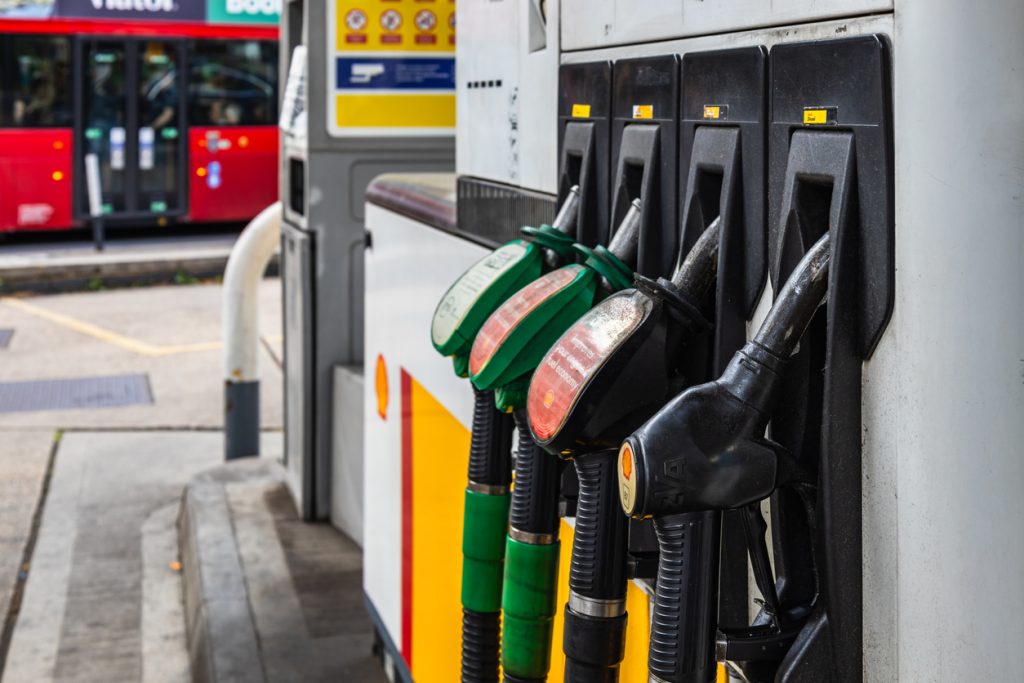
Fuel can quietly become one of the biggest operating costs for businesses running vehicles in Nigeria. Between changing pump prices, traffic delays, generator-related fuel demand, long-distance routes, and poor record keeping, transport expenses can easily exceed what a company originally budgeted.
Effective fuel expense tracking in Nigeria helps businesses understand exactly where their money is going. For companies managing delivery vans, trucks, staff vehicles, hired cars, or interstate transport, accurate fuel records make it easier to control costs and identify unnecessary spending.
Where Fuel Costs Usually Get Out of Control
A delivery vehicle moving between Ikeja, Victoria Island, Lekki, and the Lagos mainland may spend hours in traffic even when the actual distance covered is relatively short. That makes fuel consumption difficult to judge using mileage alone.
Interstate operations create different challenges. A truck travelling from Lagos to Abuja may need fuel stops along the route, while vehicles moving cargo to Port Harcourt or Kano can face additional costs caused by diversions, congestion, vehicle condition, and loading weight.
Problems usually start when drivers simply submit fuel receipts without enough supporting information.
A useful fuel record should show:
- Vehicle registration or fleet number
- Driver responsible for the trip
- Date and location of fuel purchase
- Litres purchased
- Amount paid
- Odometer reading
- Route or delivery assignment
- Fuel station used
With these details, managers can compare fuel spending against actual vehicle activity.
Track Fuel Spending Against Each Route
Good fuel expense tracking should connect every purchase to a genuine transport task.
For example, imagine a company dispatches a van from Ikeja to make deliveries in Lekki, Ajah, and Victoria Island. Instead of recording only a ₦45,000 fuel purchase, the business should also record the kilometres covered, number of stops, traffic conditions, and remaining fuel where possible.
Over several weeks, this creates a realistic cost benchmark.
Management can then see whether a particular vehicle consistently consumes more fuel than others running similar routes.
Travo.ng can also support businesses with transport coordination, vehicle hire, delivery services, cargo movement, and other logistics requirements where organised transport planning can help reduce unnecessary vehicle movement.
Watch for Sudden Changes in Fuel Consumption
One of the biggest advantages of structured fuel expense tracking in Nigeria is that unusual spending becomes easier to notice.
Suppose a delivery van normally uses about ₦70,000 worth of fuel for a particular weekly workload, but the figure suddenly increases to ₦105,000 while completed trips remain almost unchanged.
That difference deserves investigation.
Possible causes include:
- Heavy Lagos traffic
- Longer or poorly planned routes
- Engine or injector problems
- Excessive vehicle idling
- Incorrect fuel records
- Unapproved vehicle usage
- Fuel leakage or theft
Tracking does not automatically tell you which problem occurred, but it shows where management should start looking.
Separate Delivery Costs From Other Fuel Expenses
Businesses sometimes mix fleet fuel, generator fuel, staff reimbursements, and operational transport expenses in one account.
This makes reporting unnecessarily difficult.
Fuel used for courier deliveries should be recorded separately from fuel purchased for office power generation. The same applies to interstate cargo vehicles, executive transport, airport pickups, and rented vehicles.
Clear categories make monthly transport costs easier to calculate and help management understand which activities are consuming the largest share of the budget.
Use Fuel Data to Plan Transport More Efficiently
Fuel records become more valuable when they influence future decisions.
If several deliveries are going from Lagos mainland locations to Lekki on the same day, consolidating them into one planned movement may cost less than sending different vehicles at different times.
Similarly, businesses moving goods between Lagos and Abuja can compare the cost of operating their own vehicle against using a coordinated cargo or transport service.
Travo.ng helps individuals and businesses organise courier deliveries, cargo logistics, vehicle hire, interstate transport, airport pickups, relocation movements, and other transport needs across Nigeria.
Better planning reduces unnecessary trips, while accurate fuel records show whether those changes are actually saving money.
Keep Fuel Records Simple Enough to Maintain
A complicated tracking system that drivers and administrators refuse to update will eventually become useless.
Start with consistent trip records, receipts, mileage readings, vehicle identification, and monthly reviews. Larger fleets can later introduce automated fleet management tools or fuel monitoring technology.
For Nigerian businesses, the real value of fuel expense tracking is not simply collecting receipts. It is understanding what each vehicle, route, and transport activity actually costs.
When fuel spending is connected to real operational data, businesses can budget more accurately, identify waste earlier, and make smarter decisions about deliveries, fleet usage, vehicle hire, and logistics planning.
